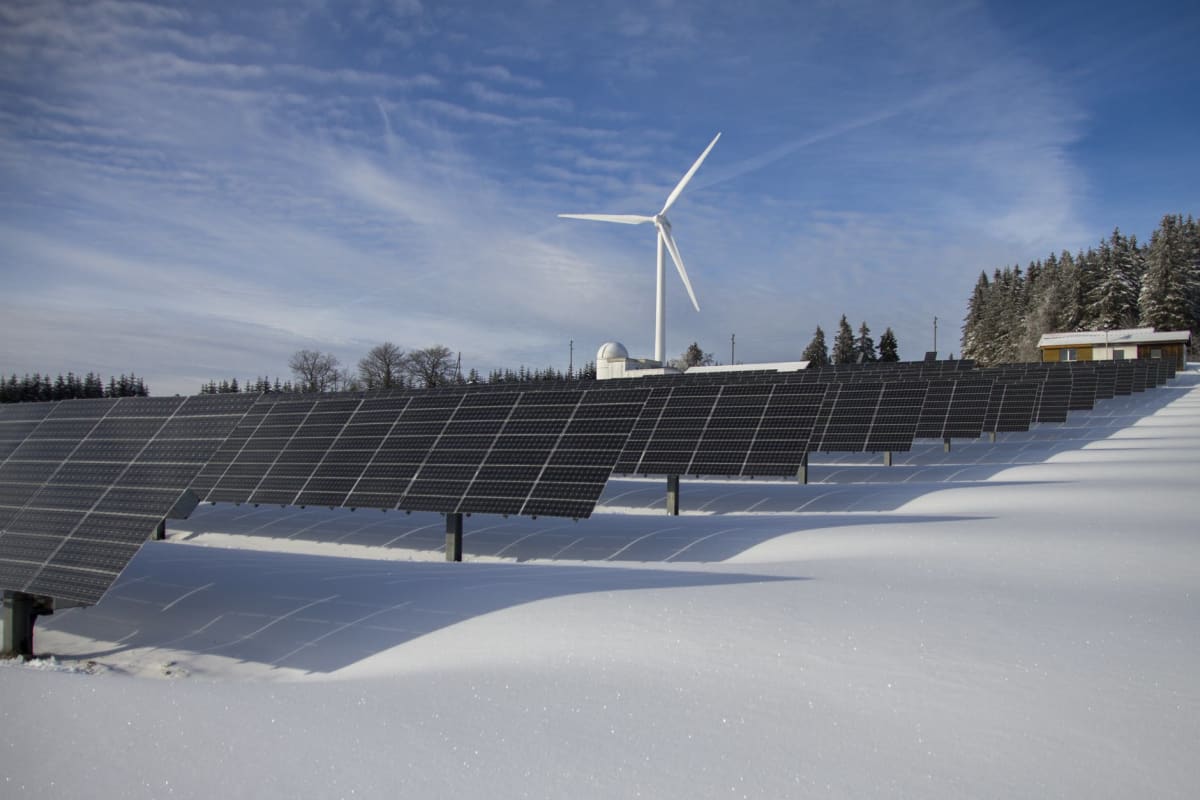
Germany Hits 61.8% Renewable Energy in First Half of 2026
Germany just powered more than half its electricity grid with renewable energy, setting new records for solar and wind generation. The milestone shows how quickly clean energy can replace fossil fuels when nations commit to the transition.
Germany generated nearly two-thirds of its public electricity from renewable sources in the first six months of 2026, proving that clean energy can power modern economies at scale. The country's renewable share hit 61.8 percent, driven by record-breaking performance from wind turbines and solar panels across the nation.
Wind power led the charge with impressive gains across both land and sea. Offshore wind farms generated 14.6 terawatt-hours of electricity, jumping nearly 30 percent from the previous year, while onshore turbines produced 52.8 terawatt-hours. Together, wind now provides 30 percent of Germany's electricity.
Solar energy wasn't far behind in breaking records. Rooftop panels and solar farms generated 43.2 terawatt-hours, a 10 percent increase that reflects Germany's continued investment in photovoltaic systems. The country added 7 gigawatts of new solar capacity in just six months, bringing total installed capacity to nearly 125 gigawatts.
The renewable energy surge created an unexpected benefit at the grocery store and electric bill. Despite natural gas prices spiking due to conflicts involving Iran, Germany's electricity prices stayed relatively stable because wind and solar kept the lights on without expensive imported fuel.
The Ripple Effect
Germany's clean energy success is changing how electricity works across Europe. The country experienced many hours when renewable generation exceeded demand so dramatically that electricity prices dropped to zero or below. While that sounds like pure good news, it revealed the next challenge: storing surplus clean energy for cloudy, windless days.
Battery storage capacity grew to 29.3 gigawatt-hours, with more large-scale systems installed in the first half of 2026 than in all of 2025. Energy experts say this growing storage network will eventually solve the flexibility puzzle, allowing Germany to bank sunshine and wind for later use.
The renewable revolution also boosted Germany's energy independence. Net electricity imports dropped from 9.6 terawatt-hours to just 1.3 terawatt-hours compared to the previous year. Germany now exports significant clean electricity to neighboring countries including Austria, Poland, and the Czech Republic.
The numbers tell a powerful story about what's possible when renewable energy becomes the default rather than the alternative. While fossil fuel generation did increase slightly to 78.6 terawatt-hours, it represents a shrinking share of Germany's total electricity mix as wind and solar continue their steady climb.
One shadow on the sunny forecast: proposed changes to Germany's renewable energy law could make small rooftop solar systems less profitable and slow residential adoption. Researchers warn this could waste valuable roof space that could otherwise generate clean power.
Germany's renewable energy milestone proves that the clean energy transition isn't a distant dream but a present reality that's accelerating faster than many expected.
More Images



Based on reporting by Google News - Solar Power Record
This story was written by BrightWire based on verified news reports.
Spread the positivity!
Share this good news with someone who needs it