Germany Hits Record Naturalizations After Policy Reform
Over 309,000 people became German citizens in 2025, the highest number ever recorded. New laws allowing dual citizenship and shorter residency requirements are opening doors for thousands of long-term residents to finally call Germany home.
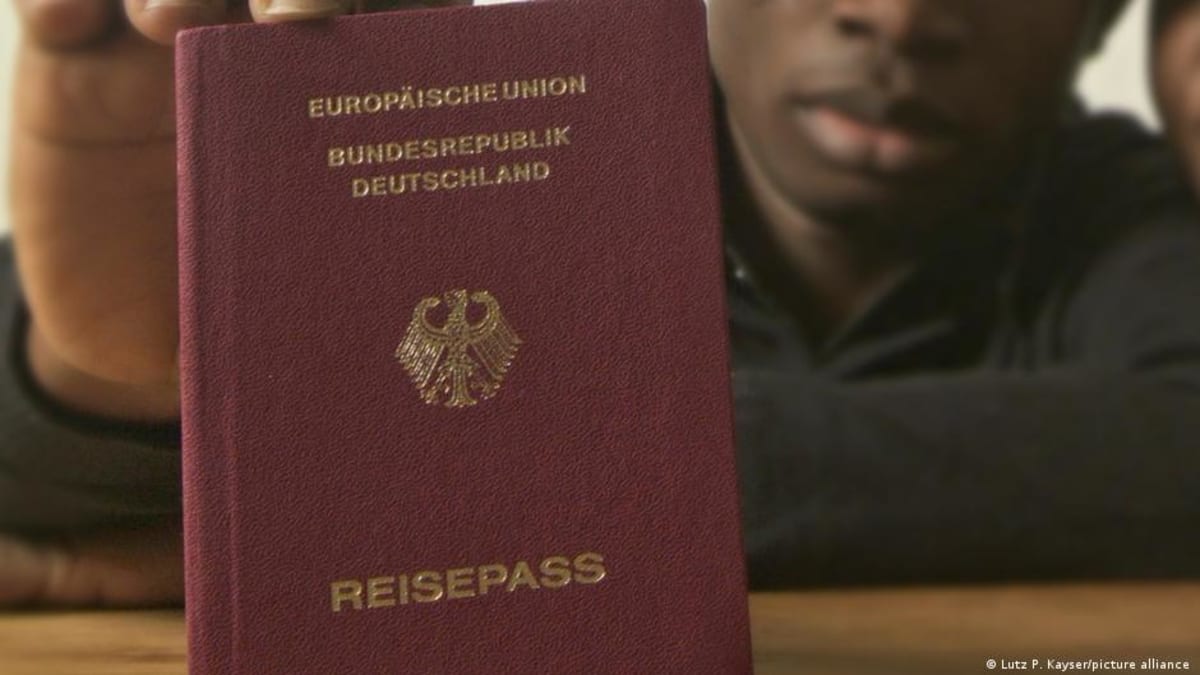
More than 309,000 people received German passports in 2025, setting a new national record and surpassing the previous year's total of nearly 292,000.
The surge follows Germany's decision in mid-2024 to modernize citizenship laws. The reforms allow residents to keep their original nationality while becoming German citizens and cut the required residency time from eight years to five.
The numbers come from 14 of Germany's 16 states, meaning the actual total is likely even higher once complete data arrives. Several municipalities reported that while current applications have steadied, they're preparing for another wave starting in 2027.
That's when many Ukrainian refugees who arrived in early 2022 will hit the five-year residency mark. Officials expect thousands to pursue citizenship to secure their legal status as temporary protection measures expire in March 2027.
A spokesman from northern Germany's Aurich region noted that Ukrainian newcomers benefited from structural advantages compared to earlier refugee groups. They received immediate work permits and full residency status upon arrival, helping them integrate faster into German society.
The policy shift represents Germany's evolving approach to immigration and integration. For decades, the country required people to give up their original citizenship, a barrier that kept many long-term residents from naturalizing despite living in Germany for years or even decades.
The Ripple Effect
The 2024 reforms sparked a 46% jump in naturalizations that year alone. While 2025's 6% increase seems modest by comparison, it shows sustained momentum rather than a one-time spike.
Syrian nationals led the 2024 naturalizations at 28%, followed by Turkish residents. Many had lived in Germany for over a decade but waited for dual citizenship rules to change.
The coming Ukrainian wave signals something bigger. Germany is becoming a place where immigrants can fully participate in civic life without severing ties to their heritage, creating stronger bonds between newcomers and their adopted home.
Citizenship means more than paperwork. It opens voting rights, removes travel restrictions, and gives people full stake in their community's future while honoring where they came from.
Germany's reforms show that welcoming policies and national identity can grow together, not compete.
Based on reporting by DW News
This story was written by BrightWire based on verified news reports.
Spread the positivity!
Share this good news with someone who needs it