Germany Invests 135% More in Women's Football Since 2019
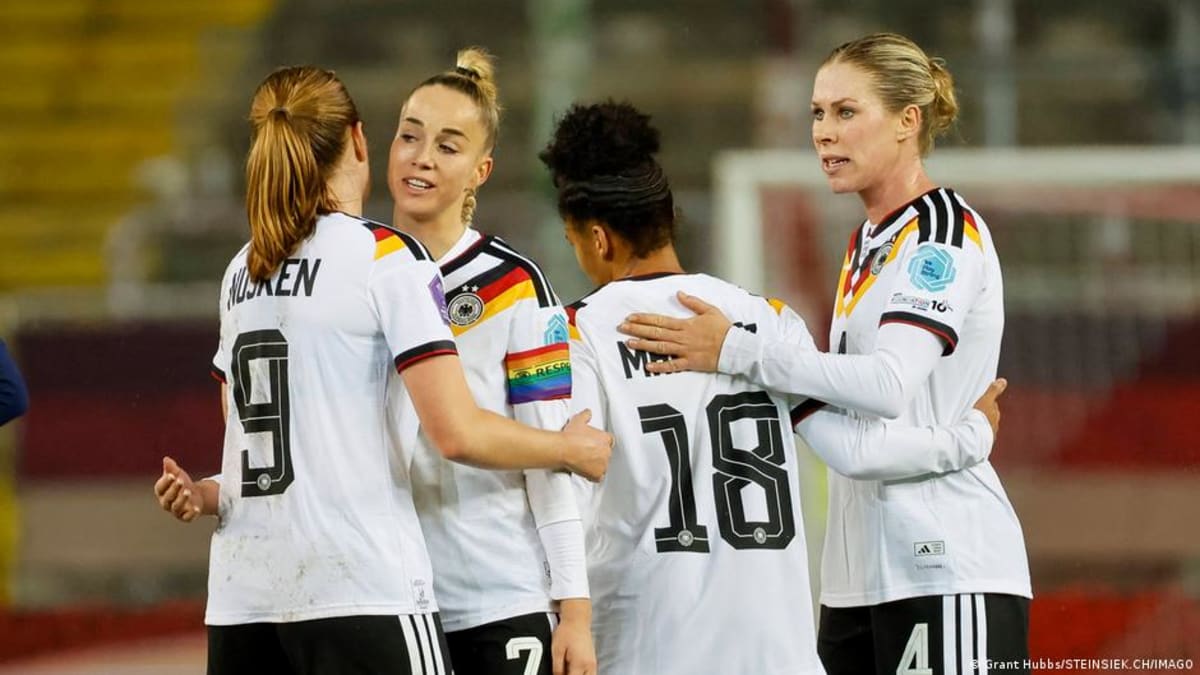
Investment in German women's football has surged 135% in six years, and the number of girls playing has jumped 30% since 2022. The movement is creating new heroes for the next generation.
When Germany's women took on Spain in the 2025 European Championship semifinal, more people tuned in than for any other German football match that year. The 14.26 million viewers weren't just watching a game—they were witnessing the rise of a sport once dismissed as second tier.
The numbers tell a remarkable story of progress. Since 2019, German professional clubs have increased their investment in women's football by 135%. Girl players have grown by 30% since 2022 alone, creating a grassroots boom that promises even brighter days ahead.
Celia Sasic, a former striker who won two European championships with Germany, now leads diversity and inclusion at the German Football Association. She's helping transform boardrooms just as much as pitch performance.
"We've established new structures with a separate department and its own sports director," Sasic told DW. "If we provide the right framework for the game, there's huge growth potential there."
The cultural shift is visible in children's bedrooms across Germany. Sasic remembers having only male role models growing up, with Zinedine Zidane posters on her wall. Today's girls have different heroes.
Now captain Giulia Gwinn and stars like Jule Brand and Lea Schüller smile down from bedroom walls. They represent dreams that feel achievable, not impossible.
Why This Inspires
This transformation shows what happens when institutions stop treating women's sports as an afterthought. Germany is proving that investment creates genuine change—not just in bank accounts, but in who gets to dream big.
The progress matters beyond the pitch. Former Foreign Minister Annalena Baerbock sees it as a reflection of broader social change. "Football reflects our society," she said, noting that countries truly committed to women's football make equal pay part of the equation.
Challenges remain. Women's Bundesliga players earned an average of €48,000 annually in 2023-24, while Bayern Munich's Harry Kane earned an estimated €25 million. The 12 women's clubs spent about €30 million on personnel—roughly what one or two top men's teams spend on a single star player.
But the foundation is solidifying. Starting this season, all Women's Bundesliga teams must employ full-time assistant coaches, goalkeeper coaches, and athletic coaches. These professional structures, basic as they sound, represent real institutional commitment.
Sasic knows the work ahead. "Clubs must provide all the necessary resources," she said. "Football pitches, medical care, fitness facilities, and coaching staff must be available."
The 2027 Women's World Cup in Brazil looms as the next major opportunity to accelerate this momentum and inspire millions more girls to pick up a ball.
More Images
Based on reporting by DW News
This story was written by BrightWire based on verified news reports.
Spread the positivity!
Share this good news with someone who needs it