Germany Powers Chemical Plant With Giant Heated Bricks
A German chemical plant just broke ground on a 100-megawatt battery made of bricks that stores excess wind and solar energy as heat, then releases it as steam to replace natural gas boilers. The technology could transform how heavy industry runs on clean energy.
A chemical factory in northern Germany is about to prove that the future of clean industrial energy might look a lot like the past: really hot bricks.
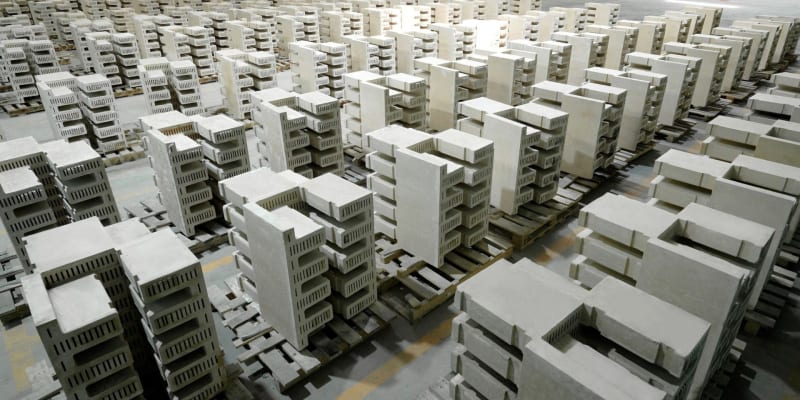
Rondo Energy and chemical manufacturer Covestro just started construction on a massive heat battery at Covestro's Brunsbüttel site. The system uses specially designed bricks to store energy from wind and solar farms, then converts that stored heat into steam for industrial processes that currently burn natural gas around the clock.
The timing couldn't be better. Germany produced so much renewable electricity in 2025 that prices actually went negative for 573 hours, meaning there was more clean energy available than the grid could use. That's a 25% jump from 2024.
Rondo's battery soaks up that excess renewable electricity when it's cheap and plentiful, heats up the bricks, and then delivers steady, high-temperature steam whenever the plant needs it. No fossil fuels required.
At 100 megawatt-hours, the Brunsbüttel system will tie with a California facility as the largest industrial heat battery in the world when it comes online by the end of 2026. It's backed by Breakthrough Energy Catalyst and the European Investment Bank.
Once running, the battery will supply about 10% of the steam Covestro needs at the site and cut carbon dioxide emissions by 13,000 metric tons every year. That's like taking nearly 3,000 cars off the road.
The technology itself is surprisingly simple. Bricks have stored heat in steelmaking for centuries, but Rondo pairs them with modern automation and controls. Electricity heats the bricks, the stored heat runs a conventional boiler, and out comes emission-free steam.
The Ripple Effect
Schleswig-Holstein's energy and climate minister, Tobias Goldschmidt, said the project shows what happens when renewable energy infrastructure meets industrial innovation. The state's rapid build-out of wind and solar farms is now enabling projects that strengthen energy independence while cutting emissions.
Rondo Energy CEO Eric Trusiewicz noted the system does double duty: it provides clean industrial heat while helping balance the grid by soaking up excess renewable electricity that might otherwise go to waste.
If the pilot works as planned, Covestro will consider rolling out the technology across its global operations. That could open the door for thousands of factories worldwide that need constant steam but want to ditch fossil fuels.
Sometimes the best new technology is just old ideas done smarter.
More Images



Based on reporting by Google News - Clean Energy
This story was written by BrightWire based on verified news reports.
Spread the positivity!
Share this good news with someone who needs it