Germany Turns Coal Mines Into Lake Wonderland Near Berlin
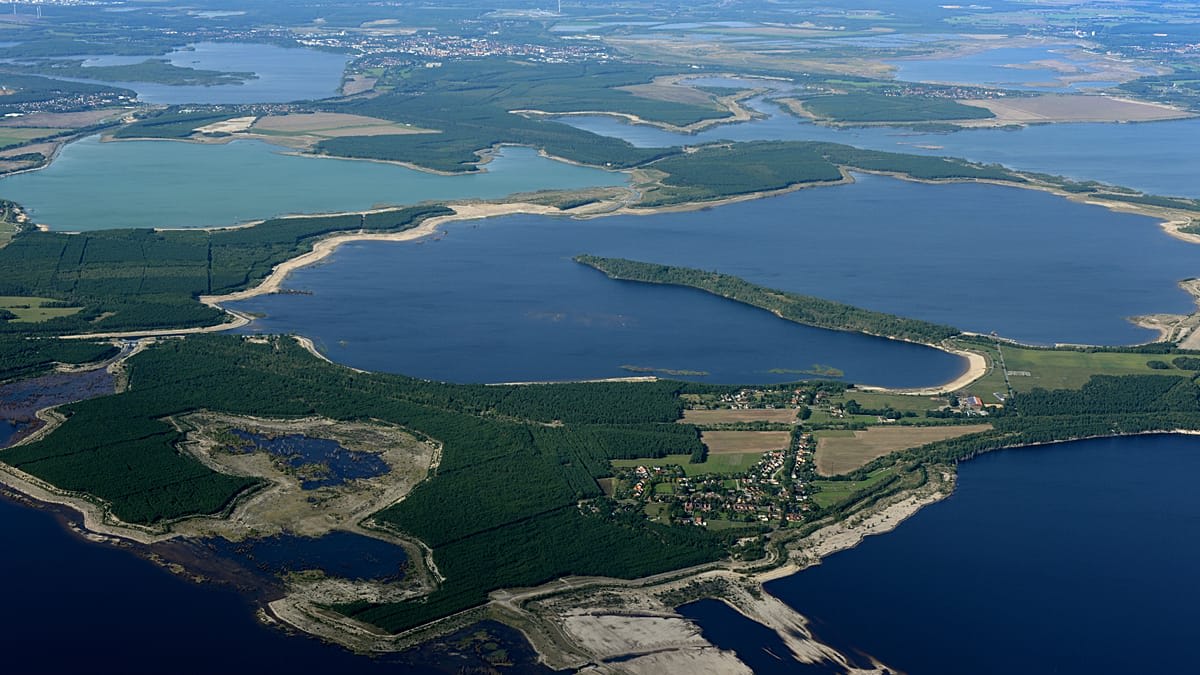
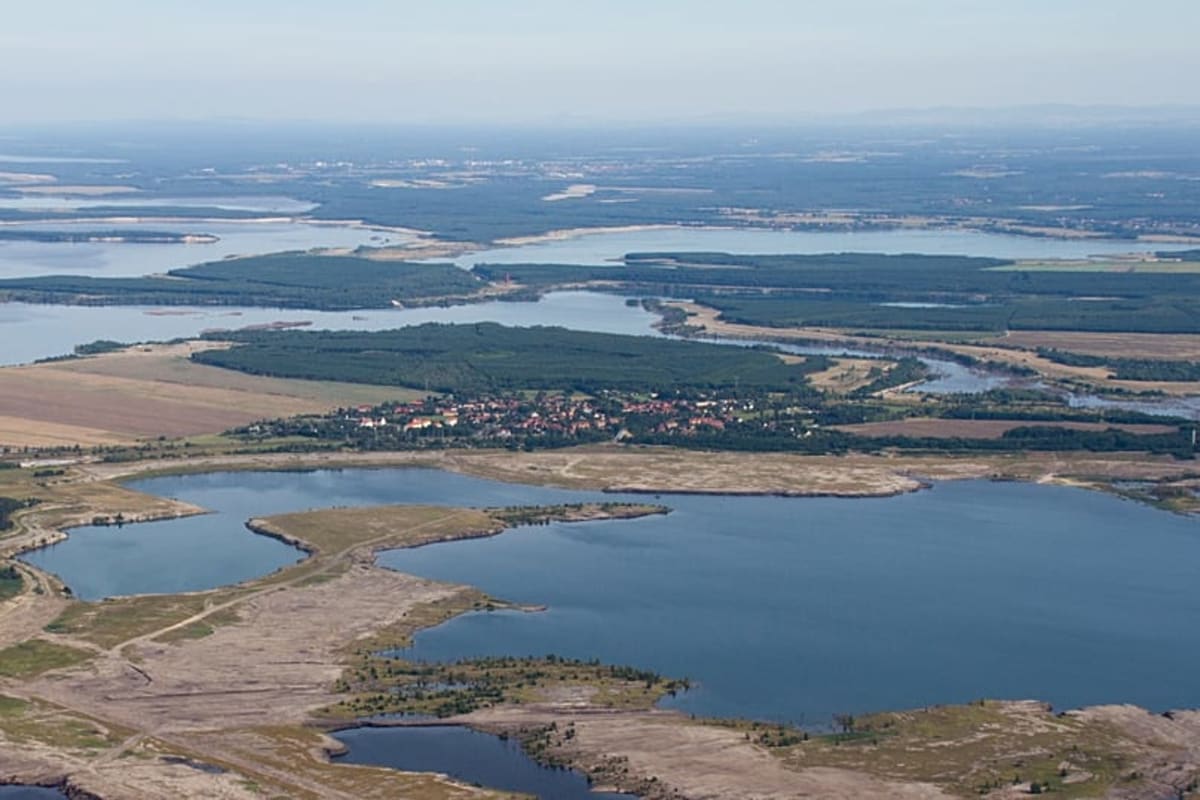
Eastern Germany just completed a decades-long project to transform abandoned coal mines into Europe's largest artificial lake system. The 23-lake complex rivals Italy's Lake Como in size and turns industrial scars into swimming beaches and boat routes.
Where coal miners once dug 60 meters deep, families now swim and sail across sparkling blue waters nearly as vast as Lake Como.
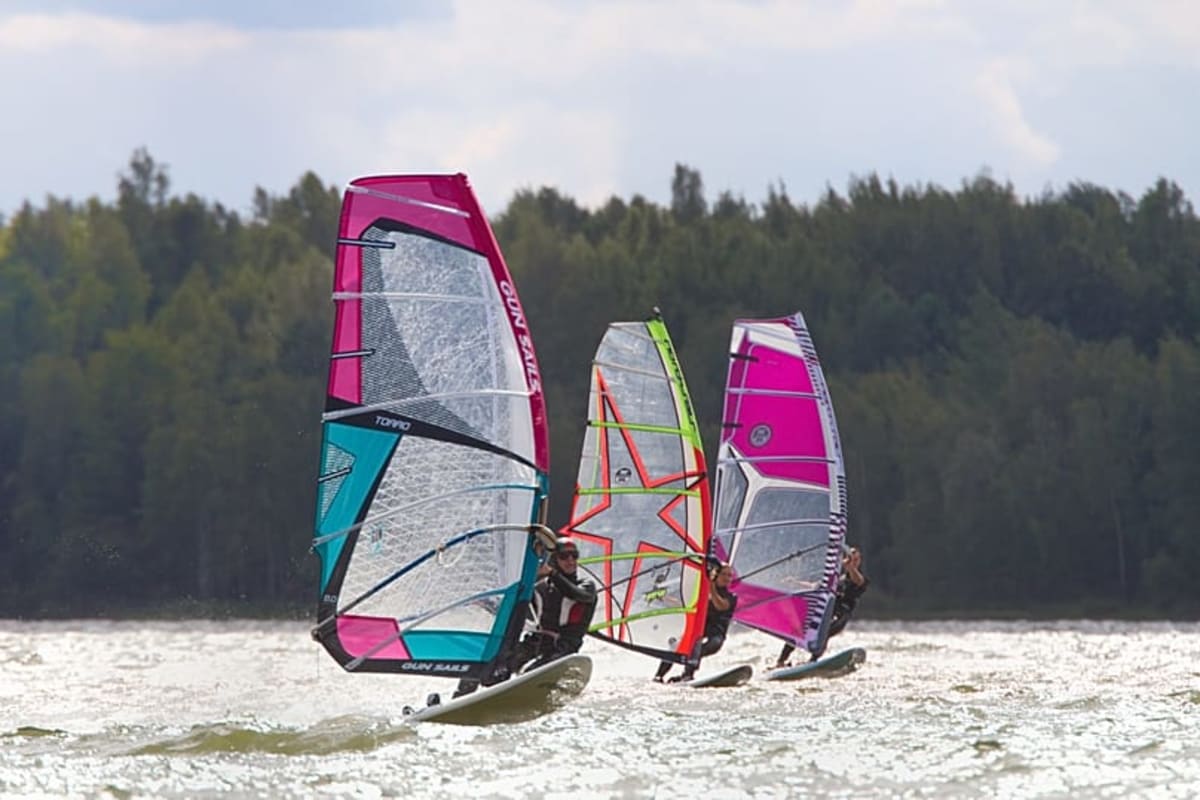
Germany just finished transforming its old coal mining region between Berlin and Dresden into Europe's largest artificial lake landscape. The final lake, Lake Sedlitz, opens for swimming and boating this April after decades of careful engineering.
The numbers are staggering. The Lusatian Lakeland now covers 14,000 hectares across 23 connected lakes. That's 144 square kilometers of water where barren mining craters once scarred the earth.
This wasn't a quick fix. Engineers have spent over 25 years coordinating water from three rivers to flood the abandoned mines. Without their work, it would take nearly a century for groundwater and rain to fill the craters naturally.
Each lake presented unique puzzles. Teams had to secure embankments, manage mineral-heavy groundwater, and build complex canal systems. They're connecting ten lakes with navigable waterways so boats can travel across 7,000 hectares of continuous water.
The region called Lusatia ironically means "marshland" in old Slavic, even though it had almost no natural lakes before mining began. The sandy, gravelly soil doesn't hold water well. Without the coal industry's deep excavations, this watery paradise would never exist.
The Ripple Effect
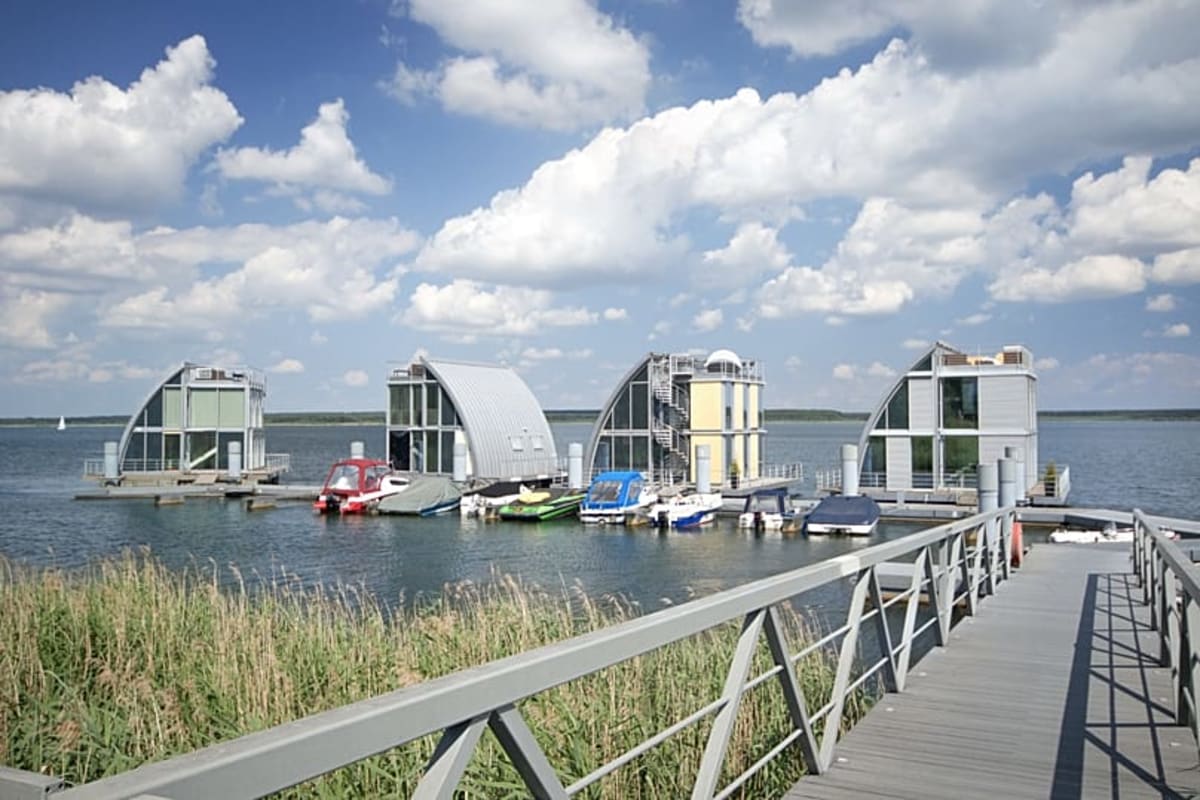
The lakes do more than attract tourists to their harbors, canals and floating holiday homes. They now serve as crucial water reservoirs for local rivers during droughts, helping entire ecosystems survive dry spells.
The project costs around 13.8 billion euros, with another 4.8 billion needed over the next 25 years for ongoing maintenance. Germany funds it 75 percent federally and 25 percent through state governments.
Dr. Uwe Steinhuber, who oversees the transformation, calls it "a process that will take two generations." His team has already completed four navigable canals with six more under construction.
The transformation shows what patient, long-term thinking can achieve. Industrial wastelands that once symbolized environmental damage now offer beaches, boating, and camping to millions of visitors each year.
Germany is creating hope from history, one flooded crater at a time.
More Images

Based on reporting by Euronews
This story was written by BrightWire based on verified news reports.
Spread the positivity!
Share this good news with someone who needs it