Germany Turns Old Rail Tracks Into Driverless Monorails
Futuristic self-balancing monorail cabins are bringing fast, affordable transit to rural Germany using abandoned railway lines. The innovative MONOCAB system could revolutionize how small towns connect to cities.
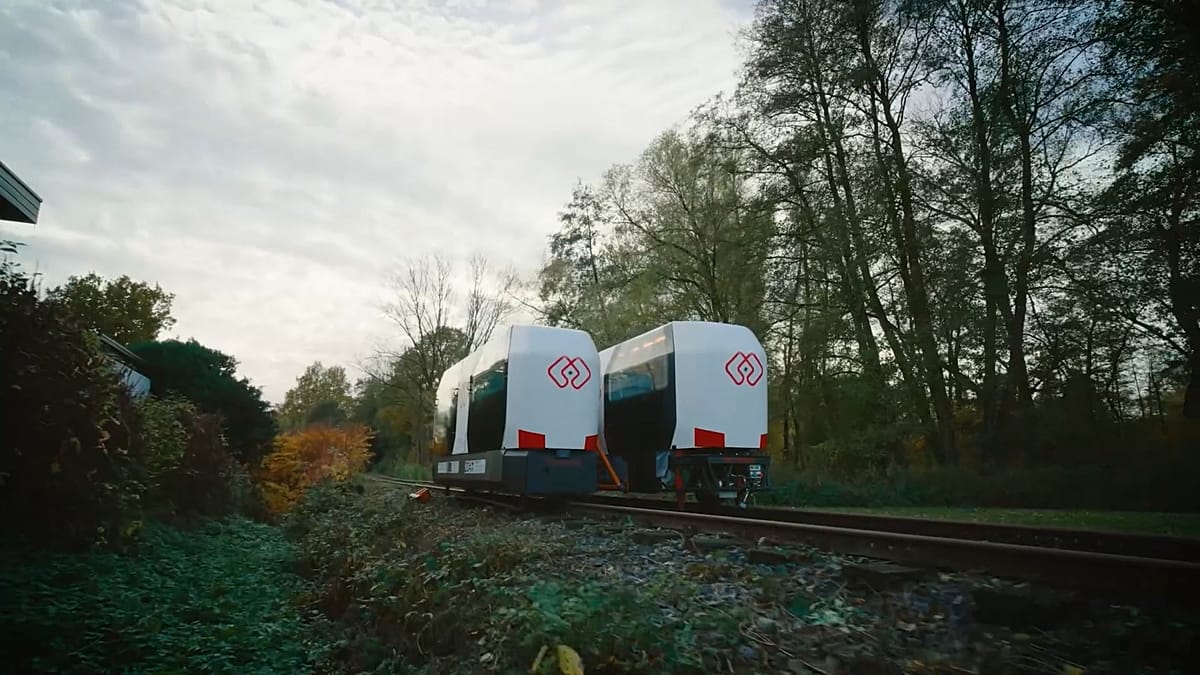
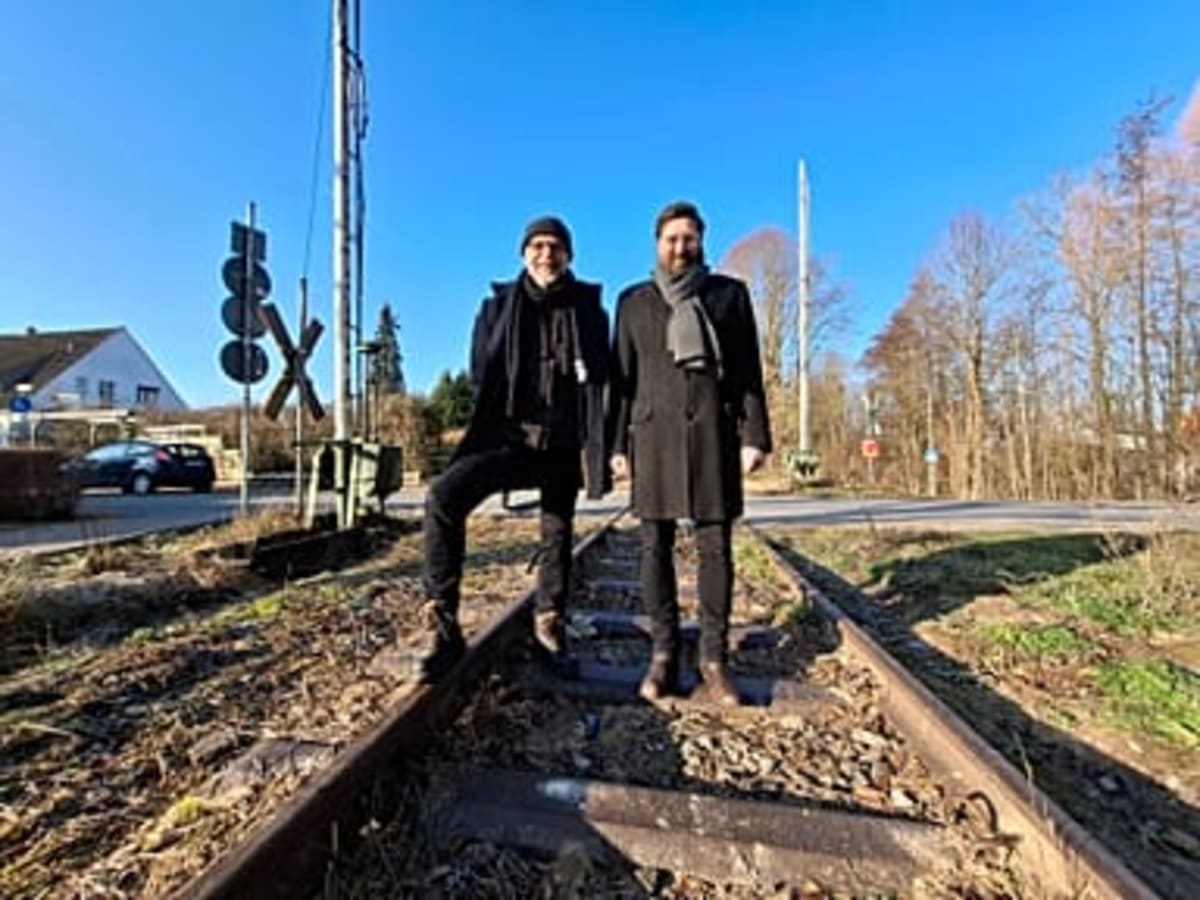
Abandoned railway tracks in rural Germany are getting a second life as routes for sleek, driverless monorail pods that look straight out of a sci-fi movie.
The MONOCAB system in North Rhine-Westphalia transforms forgotten infrastructure into modern transit. Six-passenger cabins glide on single rails, operating every five to ten minutes at bus prices.
For rural communities, this solves a persistent problem. Traditional trains are too expensive for sparsely populated areas, while buses are too slow to compete with cars.
"This bridges the gap between the bus and heavy rail," says Achim Oberwöhrmeier, managing director of transport company KVG Lippe. "The faster public transport is, the greater its use."
Creator Thorsten Försterling designed the system to work like a ski lift. Passengers book through an app and hop on the next available cabin, no waiting for scheduled departures.
The technology is impressively simple. The three-ton cabins balance themselves using gyroscopes and internal counterweights, the same principle invented a century ago but refined with modern sensors.
Currently traveling at 25 km/h during testing, the cabins are designed to reach 60 km/h. They run on electric batteries since the old rail lines have no power infrastructure.
Safety features include automatic obstacle detection and instant stopping. Each cabin accommodates wheelchairs, bicycles, and child seats, making transit accessible to everyone.
The Ripple Effect spreads far beyond convenient commutes. For the Lippe district's 16 towns, MONOCAB represents economic revival and social connection.
Students can reach schools without depending on parents. Seniors gain independence to visit neighbors. Isolated farms suddenly connect to regional hubs.
The project has already earned a REGIOSTARS Award for excellence in EU-funded innovation. Development costs totaled €4 million in the first phase, with half funded by EU Cohesion Policy and the rest from regional sources.
Testing continues through November 2026, with public trials planned for 2028. By 2032, district administrator Meinolf Haase expects full operation across the region.
"Citizens can travel with great flexibility and reach their exact destination," Haase explains. The cabins stop at tourist sites, new residential areas, and remote farms, not just traditional station locations.
The success could inspire similar projects worldwide. Thousands of miles of abandoned rail infrastructure sit unused across Europe and North America, waiting for creative solutions exactly like this one.
Rural communities everywhere are watching Germany prove that forgotten tracks can become pathways to the future.
More Images
Based on reporting by Euronews
This story was written by BrightWire based on verified news reports.
Spread the positivity!
Share this good news with someone who needs it