Germany's 2016 Refugee Integration Law Shows Real Success
Ten years after Germany introduced its Integration Act to help refugees rebuild their lives, the results show integration is working better than many realize. Despite initial controversy, the law's mix of support and requirements is helping newcomers find jobs and contribute to German society.
Germany took a bold step in 2016 that's quietly paying off today.
Facing deep divisions over welcoming hundreds of thousands of refugees, mainly from Syria, Germany's government introduced the Integration Act. The law aimed to bridge the gap between those eager to help and those worried about rapid change.
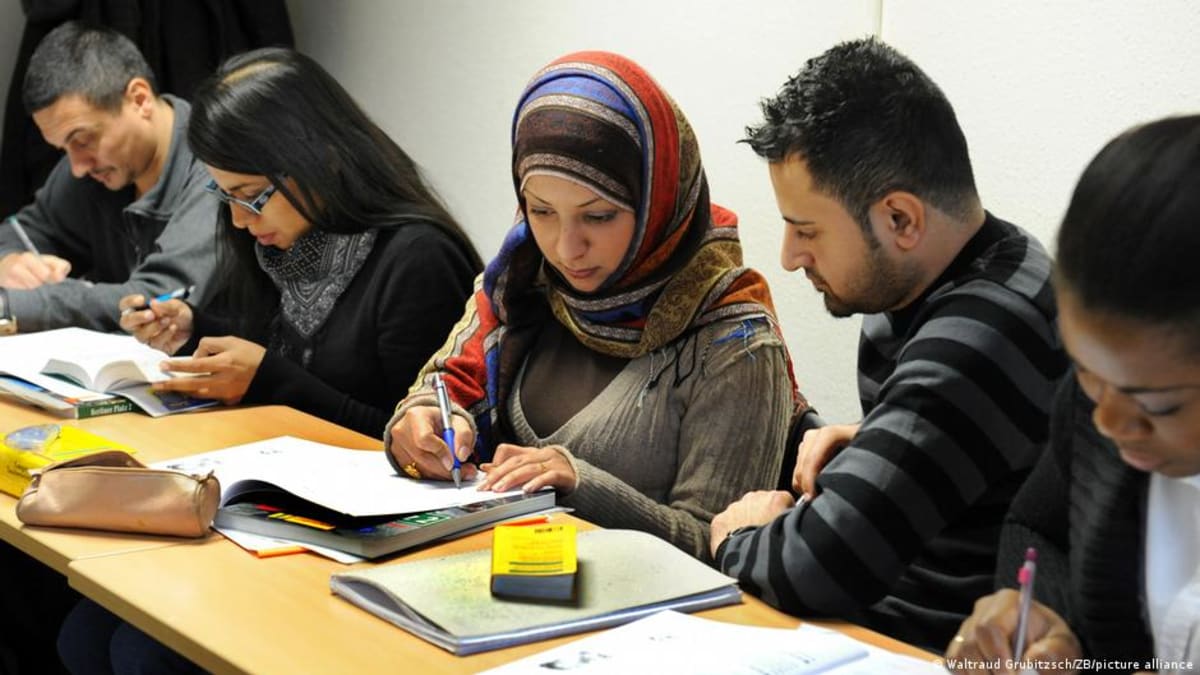
The approach was simple: provide real support while asking for genuine effort. New arrivals gained access to massive expansions in language and integration courses, plus faster paths to enter the workforce. Refugees could complete three-year vocational training programs even if their asylum applications were rejected, as long as their home countries remained unsafe.
In return, participation in language courses became mandatory. Those who refused faced cuts to welfare benefits. The government also distributed refugees across the country to prevent overwhelming major cities.
Eight years later, the results tell an encouraging story. Herbert Brücker, who leads migration research at Germany's Institute for Employment Research, says the vocational training policy worked especially well. When people know they can stay if they integrate successfully, they invest more energy in learning German and finding work. These efforts strengthen social security systems that benefit everyone.
The law wasn't perfect. Requiring refugees to stay in assigned regions hurt some people's chances, especially when they landed in economically struggling areas with few jobs. Brücker notes this residency rule created unnecessary obstacles to employment.
The Ripple Effect
Germany's experience offers lessons beyond its borders. The country proved that large-scale refugee integration can succeed when support and expectations work together. Language programs, job training, and clear pathways to contribute give newcomers real tools to build new lives.
The impact extends to local communities too. Refugees who complete vocational programs fill labor shortages in fields like healthcare, construction, and manufacturing. They open businesses, pay taxes, and strengthen the economy. Integration courses help bridge cultural gaps, building understanding on both sides.
Perhaps most importantly, Germany demonstrated that polarized societies can find middle ground. The Integration Act didn't please everyone, but it created practical solutions when emotions ran high.
Today's success stories come from refugees who arrived during those uncertain years and are now skilled workers, business owners, and community members. Their contributions prove that investing in integration creates genuine wins for everyone involved.
Based on reporting by DW News
This story was written by BrightWire based on verified news reports.
Spread the positivity!
Share this good news with someone who needs it