Germany's Clean Energy Win: 60% Less Waste Without Hydrogen
Germany's path to renewable energy could slash energy waste by over 60% through simple electrification, proving the country doesn't need expensive hydrogen infrastructure to meet climate goals. New analysis shows heat pumps and electric vehicles can do the job better and cheaper.
📺 Watch the full story above
Germany just discovered it might be building a massive pipeline network for fuel it doesn't actually need.
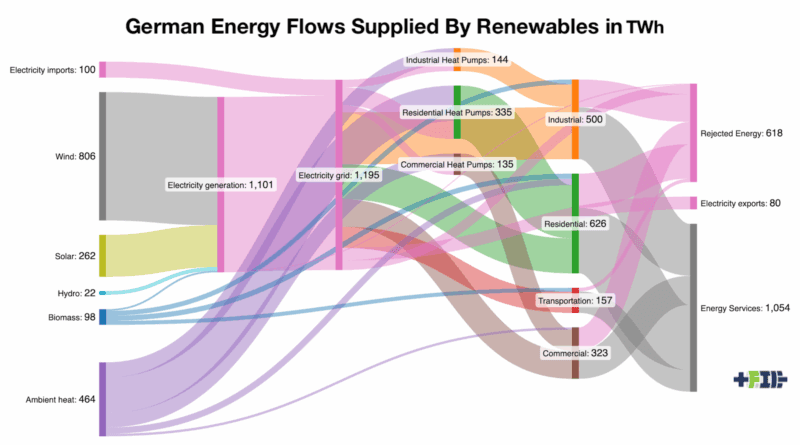
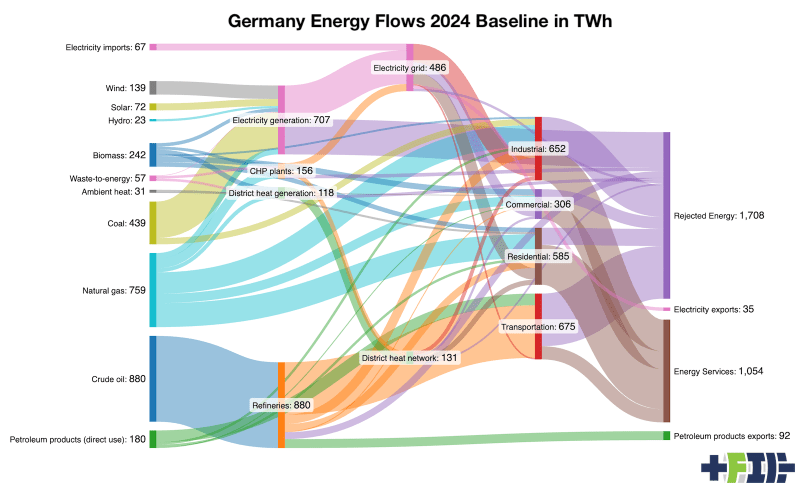
New energy flow analysis reveals that Germany can achieve its climate goals through straightforward electrification using wind, solar, and heat pumps. The country currently wastes more than half its energy through inefficient combustion in cars, furnaces, and power plants. Switching to electric vehicles and heat pumps could collapse that waste from 1,200 terawatt-hours down to under 400.
The numbers tell a remarkable story. Heat pumps turn one unit of electricity into three units of heat by moving warmth from outside air into buildings. Electric vehicles convert 80% of their energy into motion, compared to just 20% for gasoline cars. These simple swaps deliver the same comfort and transportation while slashing total energy needs.
Germany had planned for hydrogen demand of 110 to 130 terawatt-hours across industries like steel, chemicals, and transport. But when researchers mapped out a realistic renewable future, that figure collapsed to just 4 to 14 terawatt-hours. Oil refining won't need hydrogen when people stop buying gasoline. Steel production can rely on electric furnaces using recycled scrap and imported green iron instead of hydrogen-based processes.
The country is already building pressurized steel pipelines for this hydrogen backbone. The infrastructure assumes hydrogen will power trucks, generate electricity during shortages, and fuel major industries. Yet direct electrification accomplishes all these tasks more efficiently and at lower cost.
The Bright Side
This isn't a story about wasted investment. It's proof that the clean energy transition can be simpler than expected.
Germany doesn't need to wait for hydrogen technology to mature or build out complex new fuel distribution systems. The tools already exist: solar panels, wind turbines, heat pumps, and batteries. These proven technologies can deliver the same energy services Germans enjoy today while cutting waste by more than half.
The remaining hydrogen needs are genuinely small. Some chemical processes require hydrogen as an ingredient, not just fuel. A few specialized industries might still use limited amounts. But these niche applications don't justify a nationwide pipeline network sized for fuel that won't flow through it.
Other countries watching Germany's energy transition can learn from this analysis. The fastest path to clean energy might not involve exotic new fuels. Sometimes the winning strategy is replacing inefficient combustion with efficient electricity, one heat pump and electric vehicle at a time.
Germany's renewable future looks cleaner, simpler, and closer than the hydrogen plans suggested.
More Images
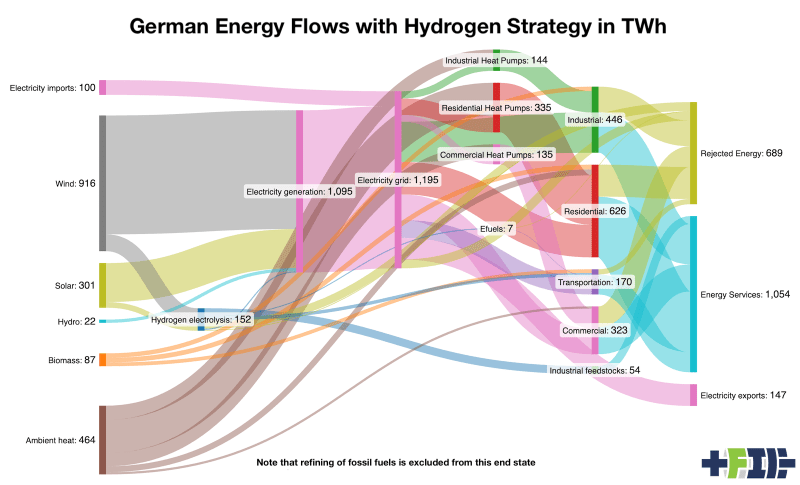
Based on reporting by CleanTechnica
This story was written by BrightWire based on verified news reports.
Spread the positivity!
Share this good news with someone who needs it