Germany's Death Strip Now Shelters 7,500 Rare Species
Where guards once shot people trying to cross, endangered otters and wildcats now thrive. Germany's former border zone has become the country's most unique nature reserve.
The place that once divided a nation with barbed wire and death threats is now saving species from extinction.
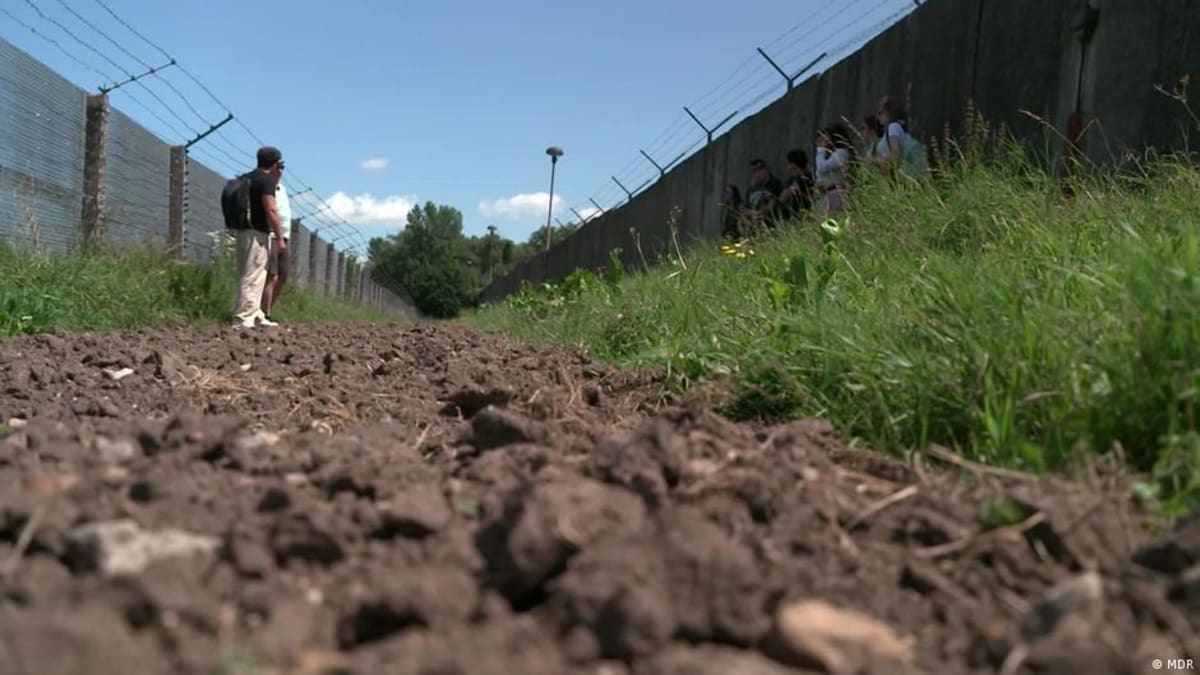
Germany's "Green Belt" stretches 870 miles along what used to be the border between East and West Germany. For decades, the military kept everyone out of this 164 to 656-foot-wide strip. No farming. No building. No people. Just nature, quietly taking over while the world argued on either side.
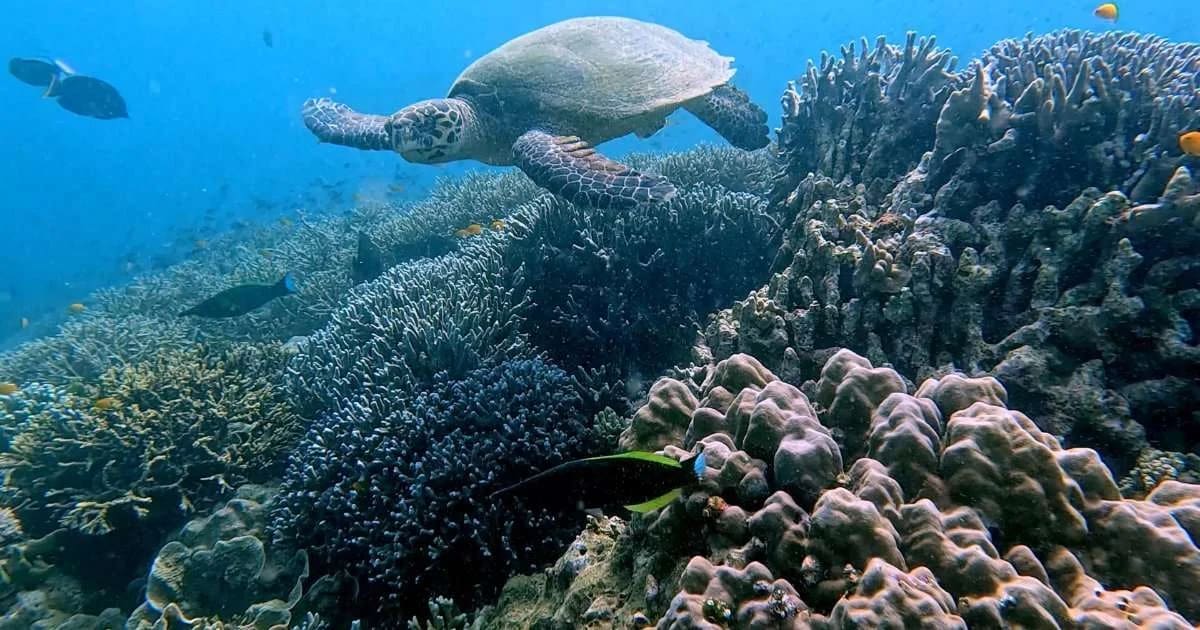
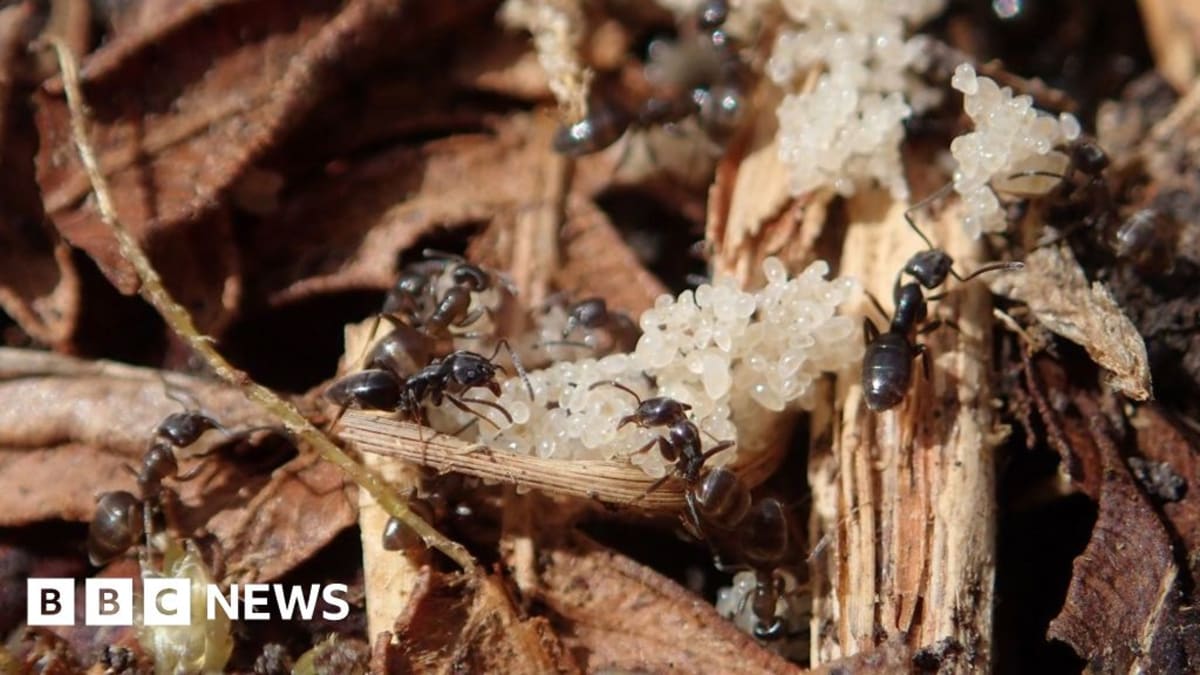
Today, that abandoned death zone is home to 7,500 species of insects and spiders, with 580 of them endangered or threatened. European wildcats prowl where soldiers once patrolled. Otters swim in streams that cross old patrol roads. Birds like whinchats and lapwings, nearly extinct elsewhere in Germany, nest in grasslands that haven't been touched in over 30 years.
"It was a death strip that was insurmountable," explained Andreas Heil from Germany's Environment Ministry. "Today, it is exactly the opposite: something that brings people together."
The region even hosts rare peat bogs, nearly impossible to find elsewhere in Germany. Most were drained for farming in the 1800s and 1900s. The 400-hectare bog near Salzwedel survived only because the military sealed it off. Now visitors explore it on boardwalks, spotting wildlife their grandparents never could have imagined here.
The German Federation for the Environment and Nature Conservation started buying land in the Green Belt in 2000. They now protect 1,000 hectares using donations and government funding. About 88% of the entire belt is now under protection.
The Ripple Effect
The success story extends beyond Germany's borders. Similar former Iron Curtain zones between Finland, Norway and Russia have become nature reserves. The Green Belt continues south through Czech Republic, Slovakia, Austria, Croatia and Hungary, creating a connected wildlife corridor across Europe.
In July, three German states committed to permanently preserving a 95-kilometer section by 2028 with a special management plan. The government will cover 75% of the costs.
Where bullets once flew, butterflies now flutter, proof that nature heals even our deepest wounds.
Based on reporting by DW News
This story was written by BrightWire based on verified news reports.
Spread the positivity!
Share this good news with someone who needs it