Germany's Drained Peatlands Could Power 134-268 GW Solar
Germany just unlocked a climate solution that tackles two problems at once: restoring damaged wetlands while generating massive amounts of clean energy. Scientists identified enough degraded peatland to support up to 268 gigawatts of solar power.
Germany has discovered an ingenious way to heal its landscape while powering its future, and the numbers are staggering.
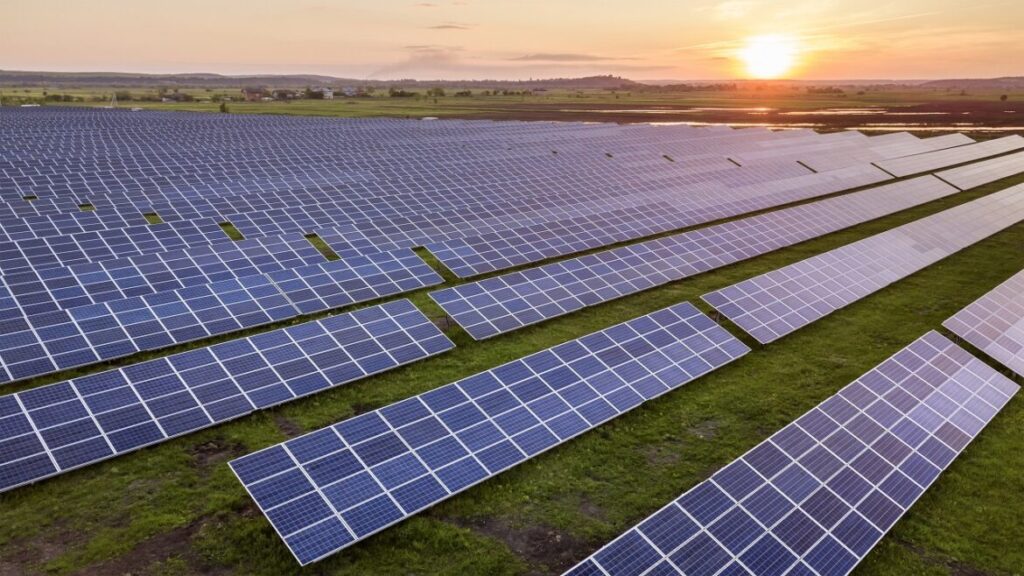
Researchers at the Fraunhofer Institute for Solar Energy Systems found that the country's drained, degraded peatlands could support between 134 and 268 gigawatts of solar panels. That's enough potential to dramatically accelerate Germany's renewable energy goals while simultaneously fighting climate change from an unexpected source.
Here's the problem these wetlands currently create: About 70% of Germany's once-healthy peatlands have been drained for farming over the decades. These dried-out soils now account for nearly 7% of the entire country's greenhouse gas emissions, silently releasing carbon that was safely locked away when the land was wet.
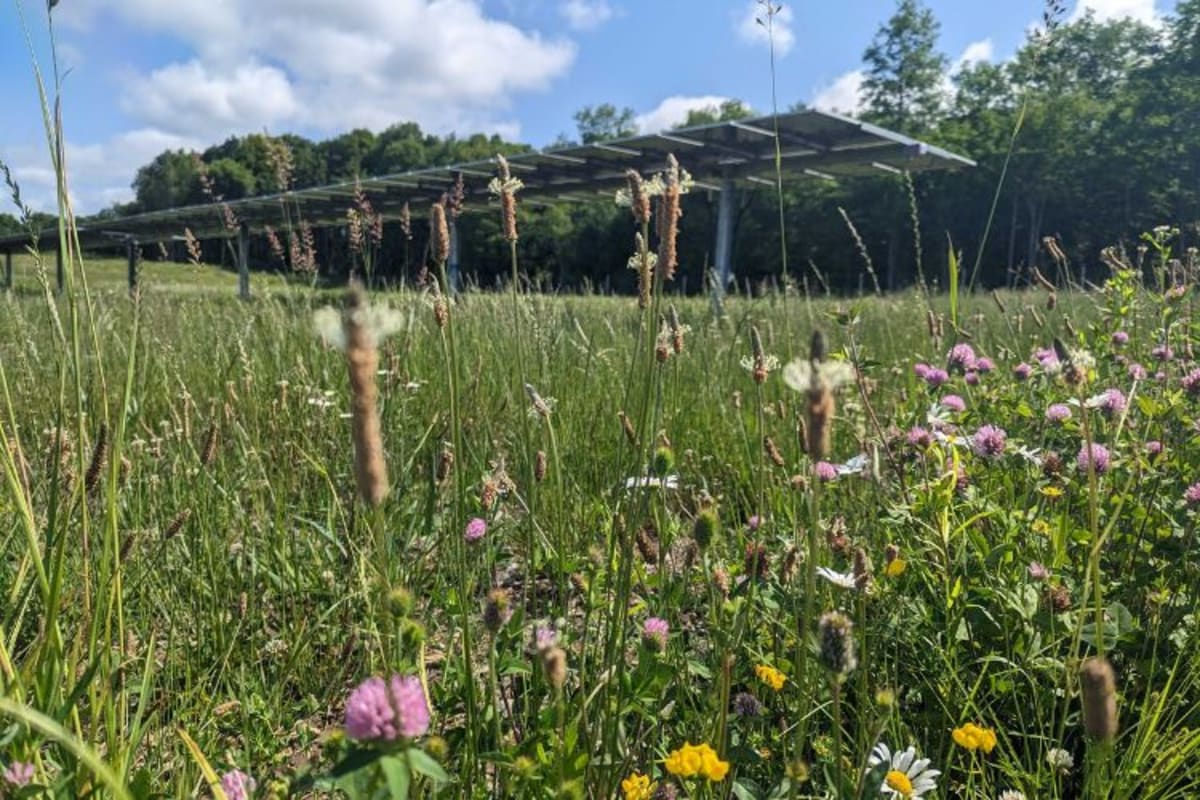
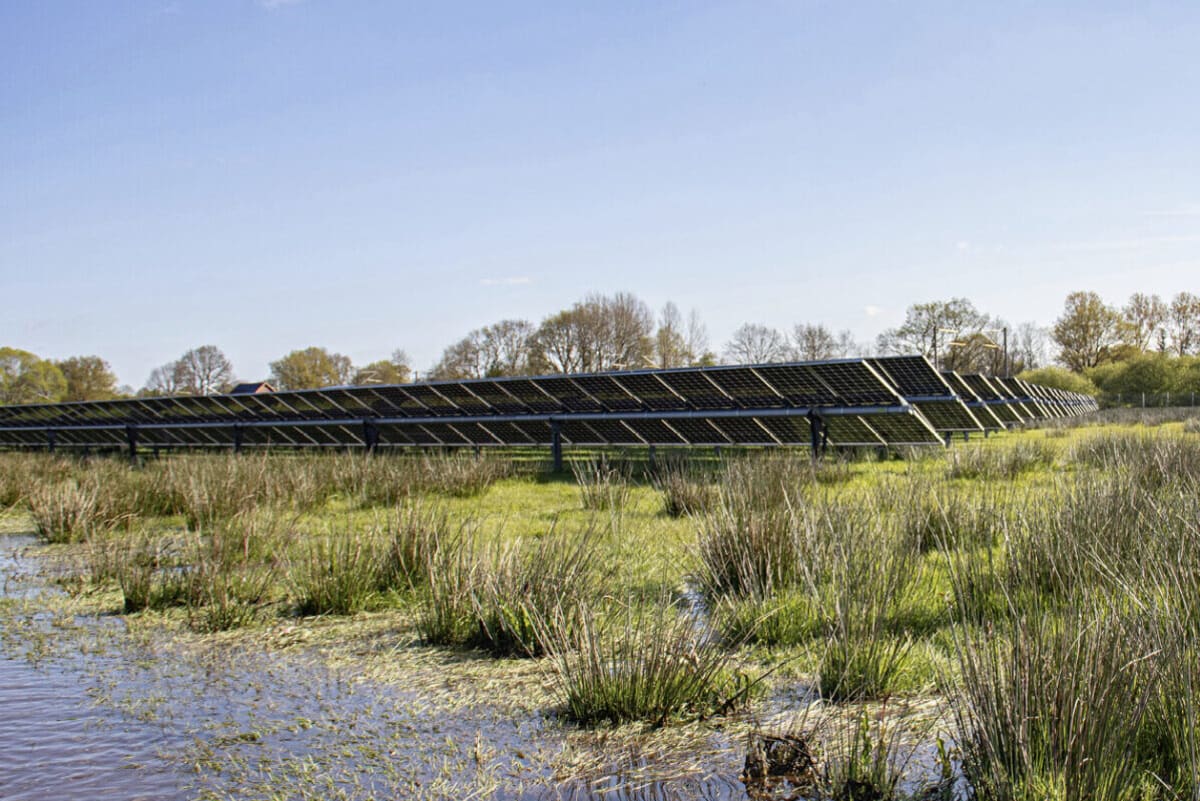
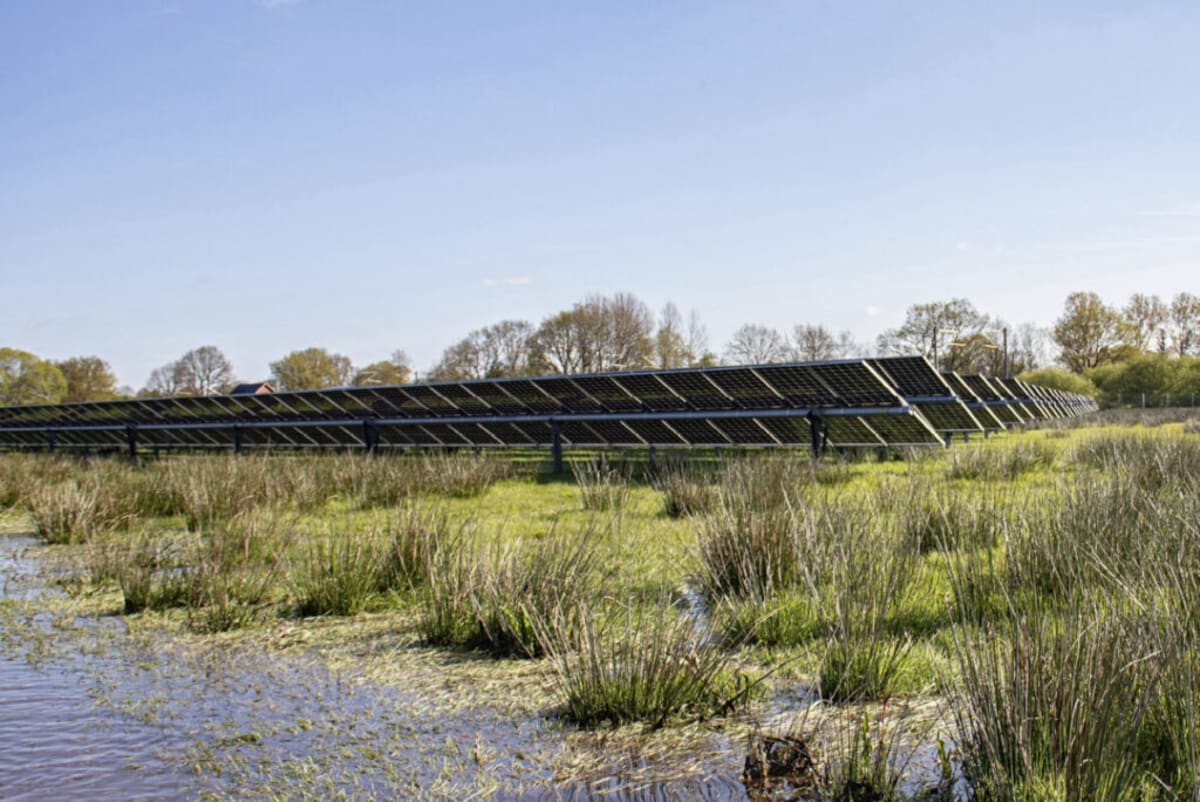
The solution kills two birds with one stone. By re-wetting these damaged peatlands and installing solar panels above them, Germany can stop the carbon bleeding while generating clean electricity. Around 334,500 hectares of degraded peatland could be transformed this way without touching any protected natural areas.
Agnes Katharina Wilke, who leads the MoorPower research initiative at Fraunhofer ISE, explains that Germany aims to restore 50,000 hectares of peatland annually to meet climate targets. Adding solar panels to this restoration work creates an additional income stream for farmers and landowners who might otherwise resist giving up agricultural land.
The approach is careful and science-based. Franziska Tanneberger from the Greifswald Mire Centre stresses that only severely degraded areas would be developed, never peatlands with conservation value or legal protections.
Even with these careful restrictions, the potential remains massive. In Mecklenburg-Western Pomerania alone, more than 85,000 hectares of degraded farmland peatlands qualify for this dual-purpose restoration.
The Ripple Effect
This isn't just about Germany. The guidance document created by multiple research institutions provides a roadmap that other countries could follow. Peatlands cover vast areas globally, and many face similar drainage problems that turn carbon sinks into carbon sources.
The approach also solves a growing tension in renewable energy deployment: the competition for land. As solar farms expand, they sometimes compete with farming or conservation. Peatland solar installations sidestep this conflict entirely by using land that needs restoration anyway.
For farmers, this creates a transition pathway that doesn't abandon their livelihoods but transforms them. The document covers everything from planning through decommissioning, making the process accessible to agricultural businesses ready to participate.
Germany turned a climate liability into a renewable energy opportunity, proving that the best solutions often address multiple problems at once.
More Images


Based on reporting by PV Magazine
This story was written by BrightWire based on verified news reports.
Spread the positivity!
Share this good news with someone who needs it