Germany's "Dumb Machine" Could Transform Clean Energy
A Munich startup is building a fusion reactor so simple it could run like a microwave oven, potentially unlocking unlimited clean electricity. Their twisted design might just solve one of humanity's biggest energy challenges.
Scientists are building a machine that could generate unlimited clean energy using the same process that powers the Sun, and they're calling it a "dumb machine" as a compliment.
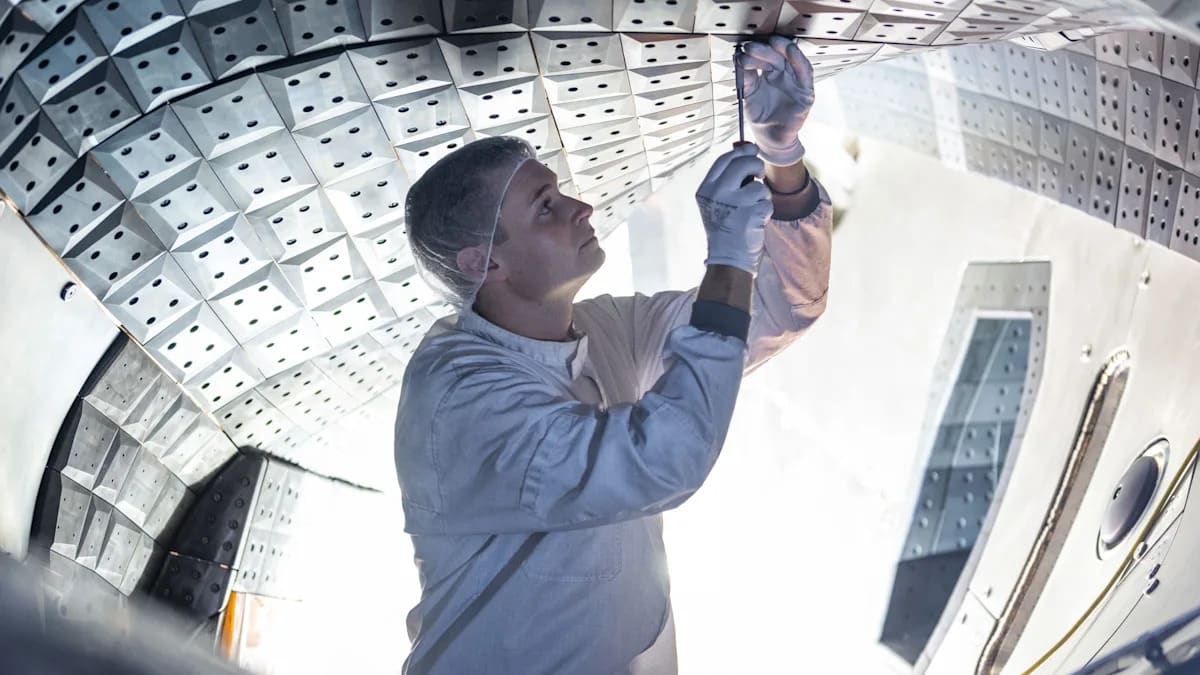
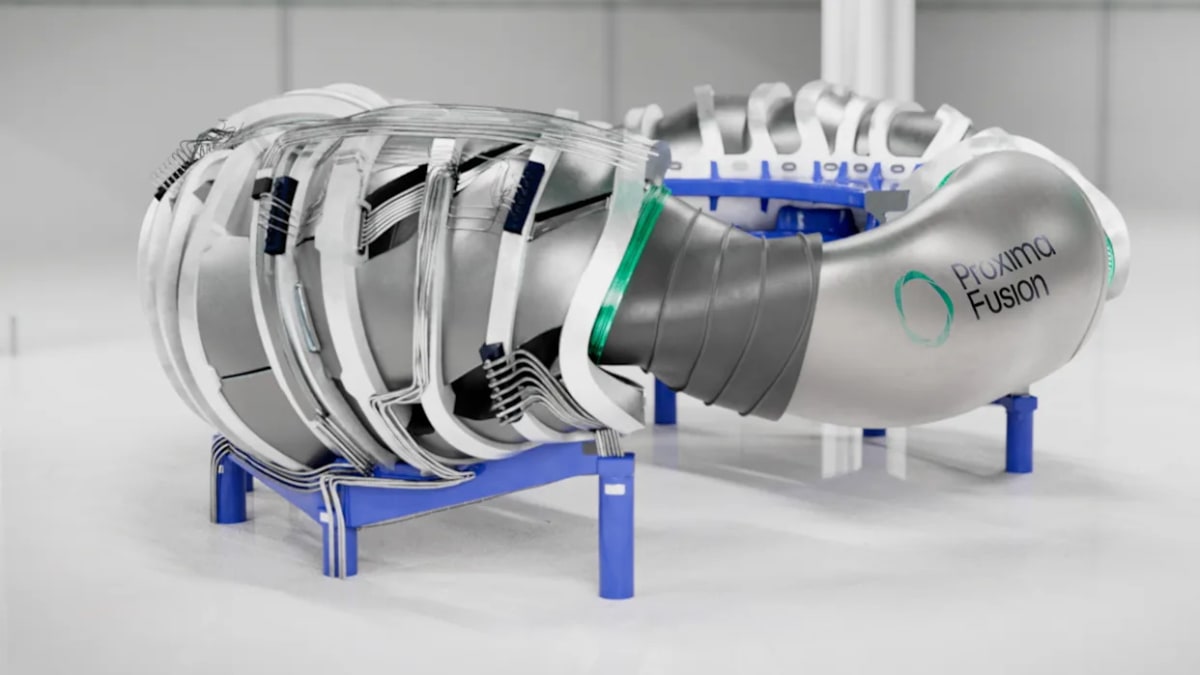
Proxima Fusion, based in Munich, is racing to build Alpha, a fusion reactor with an unusual twisted shape called a stellarator. While the design is incredibly complex to construct, once running it should be remarkably simple to operate.
"A stellarator is a thing that is objectively very difficult to design, objectively very difficult to build. But if you do it, it is a dumb machine, just like a microwave oven," says Francesco Sciortino, the company's CEO and co-founder. The goal is abundant, cheap, emission-free electricity by recreating the Sun's power here on Earth.
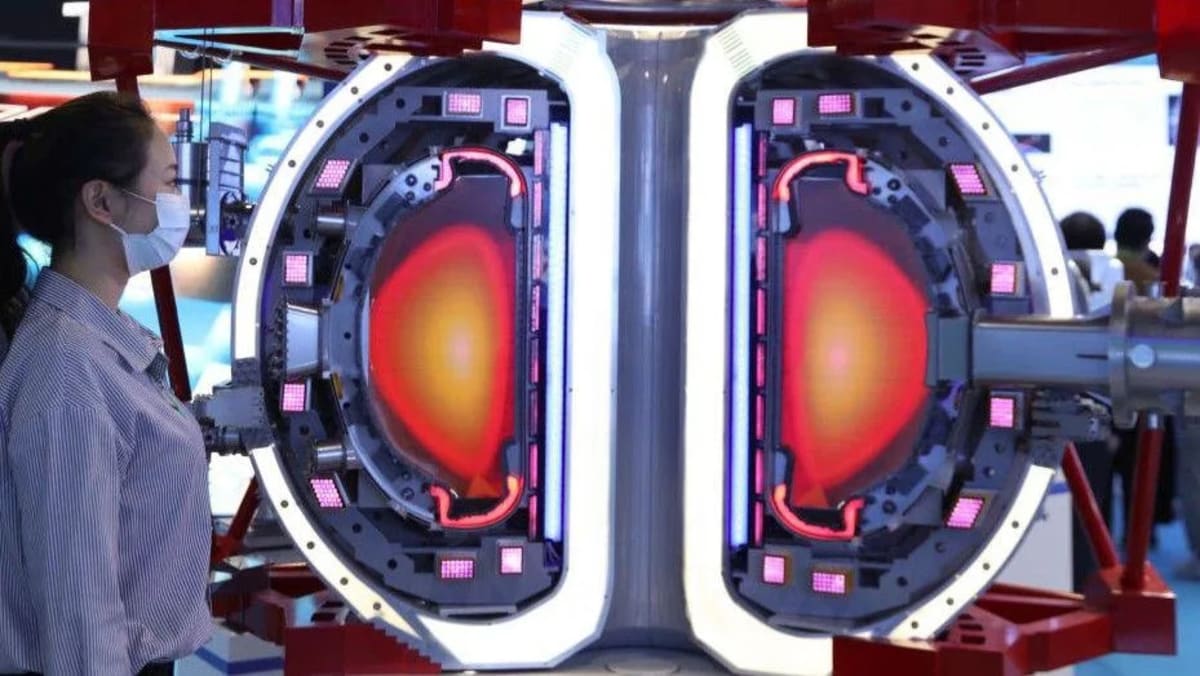
Fusion works by fusing hydrogen atoms together, releasing massive amounts of energy. The challenge is containing the burning hot plasma needed for the reaction using powerful magnets.
Most fusion projects use a simpler doughnut-shaped design called a tokamak. Proxima chose the harder path because the stellarator's twists and turns make the plasma easier to control once everything is working.
The real test will be building 41 intricate magnets with precision and speed. Sciortino admits he "loses sleep" over whether they can manufacture these magnets fast enough and cheap enough to make the technology practical.
Germany's manufacturing expertise gives them an edge. The country has 550,000 skilled workers who operate the specialized machines needed to shape the expensive steel used in the magnets, far more than the entire United States.
Bavaria just invested €400 million in the project, and Proxima is seeking over a billion dollars more from Germany's federal government next year. A prototype magnet is under construction for testing in 2025, with a magnet factory already breaking ground.
The Ripple Effect
Proxima joins 53 fusion companies worldwide racing toward the same goal, each taking different approaches. The UK is building a tokamak power plant on a former coal plant site in Yorkshire, while other teams pursue entirely different methods.
This friendly competition is accelerating progress on what many once considered impossible. Decades of research from Germany's Max Planck Institute made Proxima's stellarator design possible, and their success could inspire even faster breakthroughs.
While a working fusion power station remains years away, the technology is advancing faster than skeptics predicted. Sciortino wants Alpha operational in under four years, a third of the time similar projects have taken.
If they succeed, the world gets a new source of clean energy when we need it most.
More Images

Based on reporting by Google News - Canada Breakthrough
This story was written by BrightWire based on verified news reports.
Spread the positivity!
Share this good news with someone who needs it