Scientists Turn Food Waste Into Cheese Using Ancient Trick
Labs worldwide are using fermentation to transform discarded cocoa shells, pea leftovers, and soy pulp into delicious cheese, pet food, and meat substitutes. This ancient technique is rescuing millions of pounds of waste while creating tasty, nutritious products.
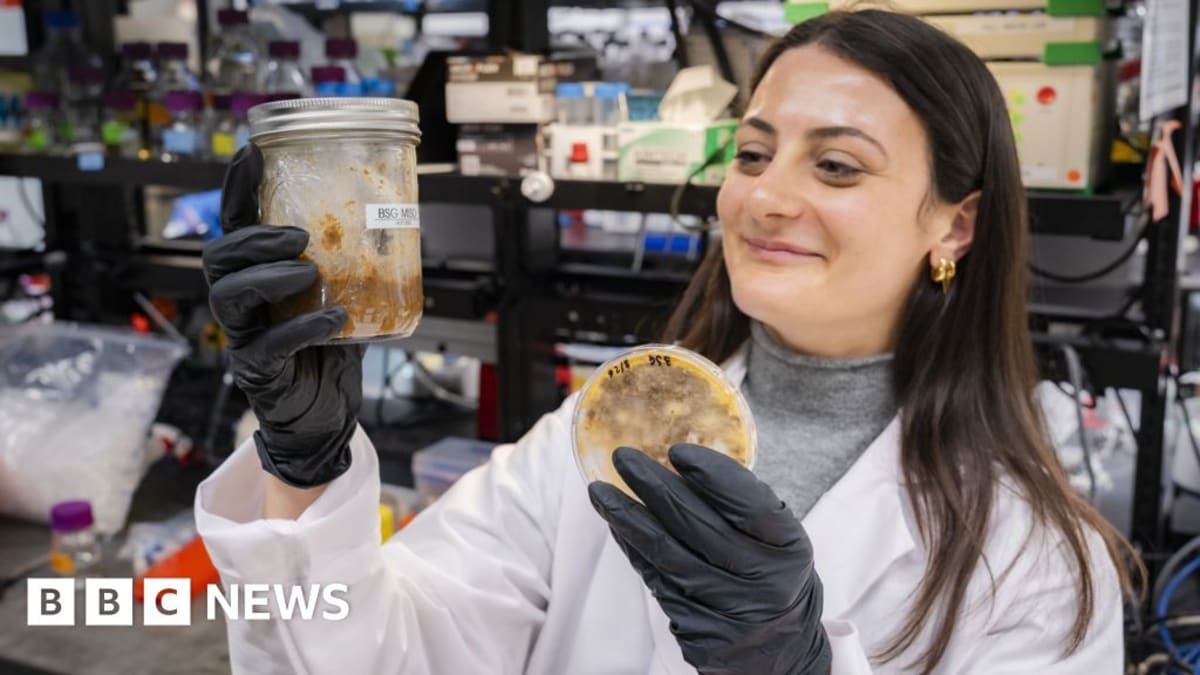
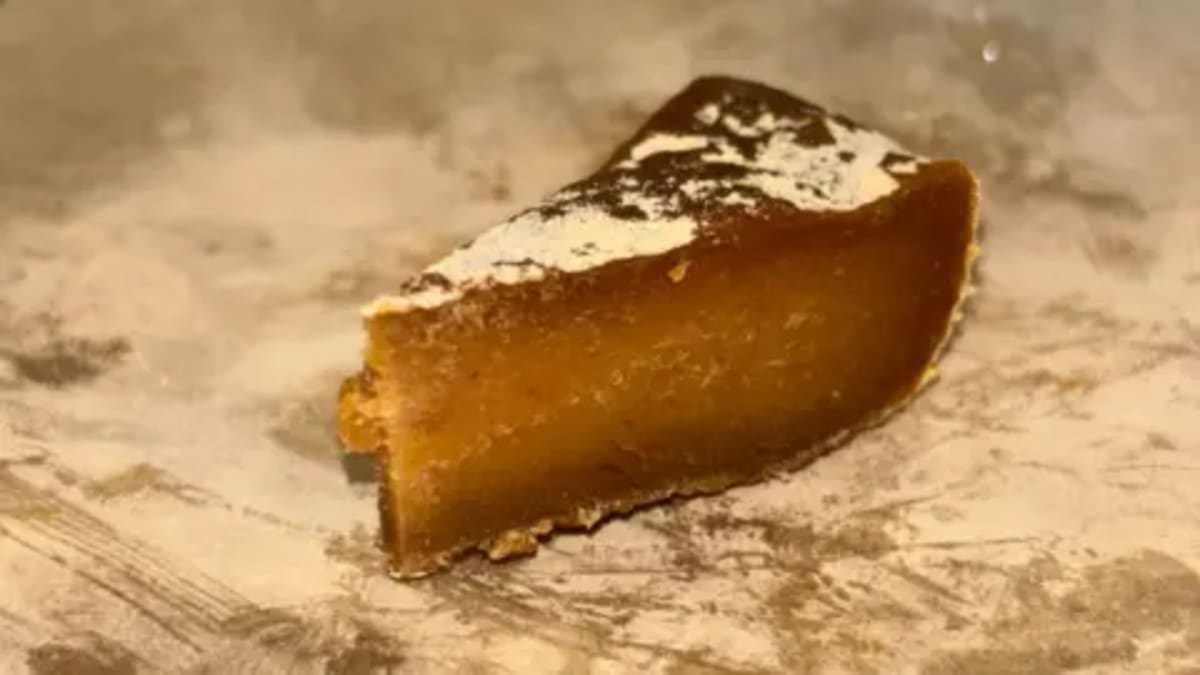
Scientists at Stanford University just made cheese from food scraps, and it tastes like authentic Parmigiano.
Bioengineer Vayu Hill-Maini is using fermentation with fungi to turn food waste into a cheese-like product that rivals traditional Italian varieties. His lab is part of a growing movement transforming discarded food industry byproducts into premium ingredients.
Fermentation is the same ancient process that makes bread rise and beer brew, where organisms convert sugars into new substances without oxygen. Now biotech companies are applying this technique to rescue food waste from landfills.
UK company Fermtech turns discarded cocoa shells into chocolate powder substitute. "If you were to sniff a bag of cocoa shells, you would be really struck by the intense chocolatey nature of it," says CEO Andy Clayton, who calls his team "flavor miners."
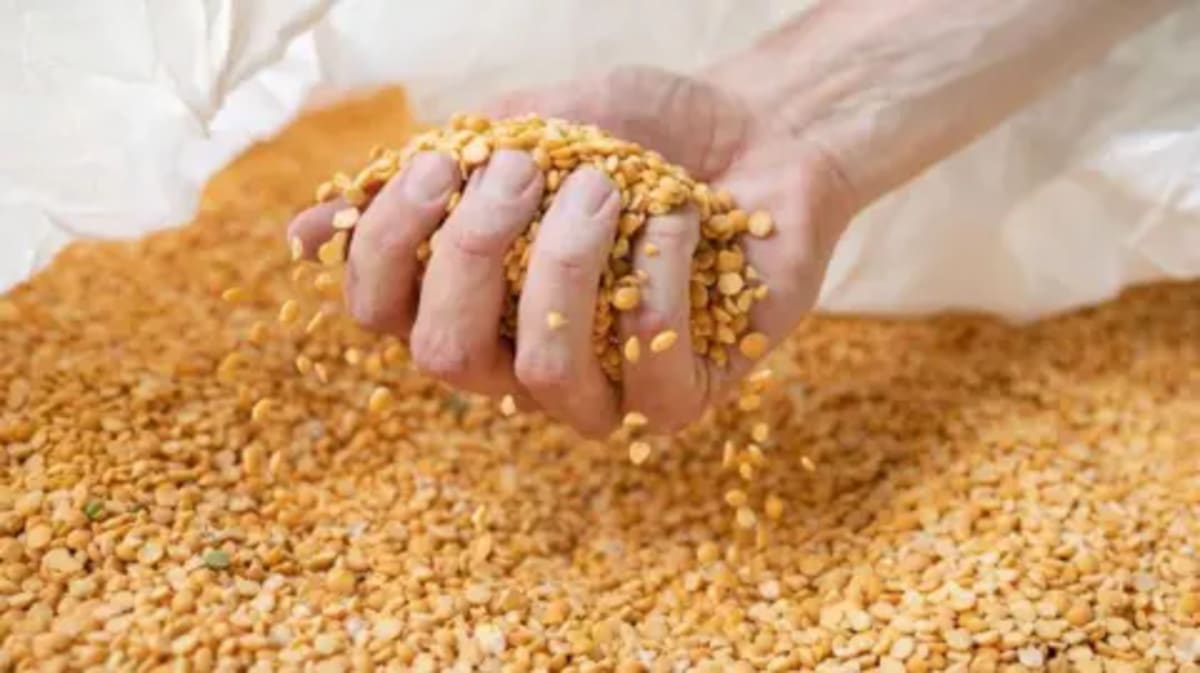
The pea protein industry faces a surprising problem: three-quarters of each pea becomes waste after extracting protein. Spain's MOA Foodtech developed AI technology that designs 300 fermentation processes per hour to convert that leftover starch and fiber into usable food.
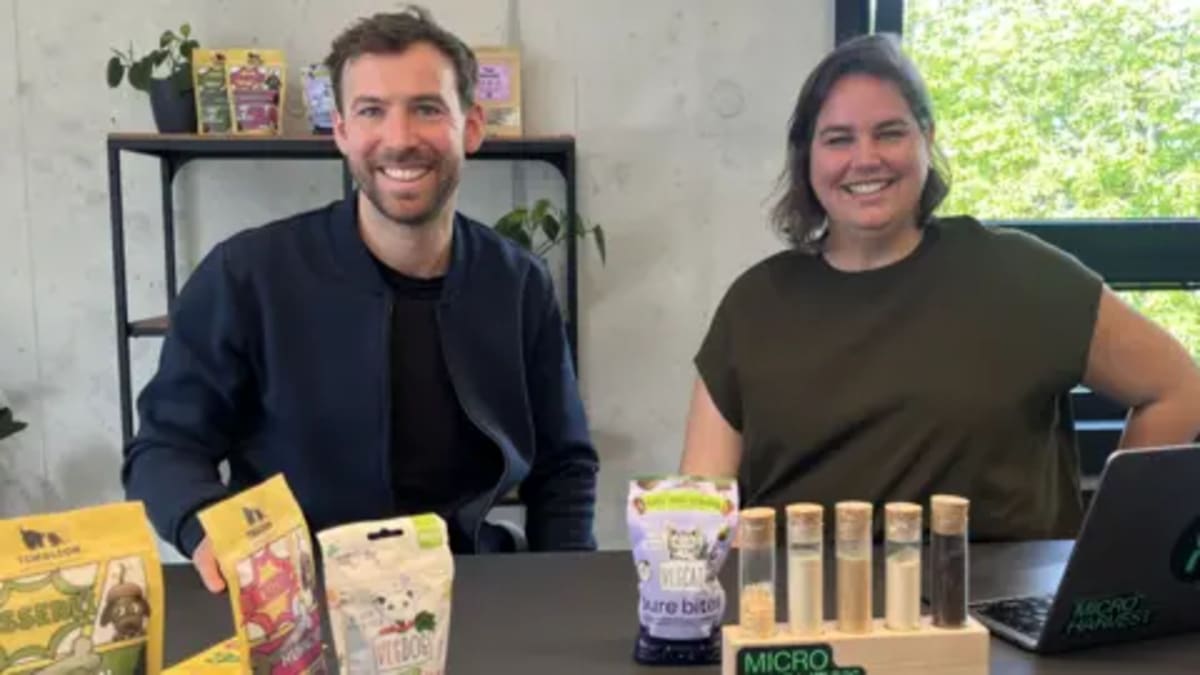
Germany's MicroHarvest transforms molasses from sugar production into premium pet food called Vegcat. The cat snack has a savory umami taste without the bitterness found in some plant-based proteins.
Singapore's Mottainai Food Tech rescues okara, the soy pulp discarded after making tofu. They've turned it into Jiro Meat, a meat substitute that tops pizzas and could expand into plant-based tuna.
Why This Inspires
These innovations prove we've been throwing away treasure. Cocoa shells with intense chocolate aroma, pea fiber perfect for fermentation, and soy pulp rich in nutrients have been burned or composted when they could feed people and pets.
Stanford's precision fermentation can even break down cellulose that humans can't digest, converting it into protein through fungal growth. The lab employs a chef in residence to ensure their experiments taste as good as they sound on paper.
The potential stretches across continents and cuisines. Singapore provides a supportive environment for food innovation, while European companies partner with existing industries to redirect waste streams into premium products.
These scientists aren't just reducing waste or creating sustainable alternatives. They're expanding the flavors available to us by mining the overlooked three-quarters of crops we already grow.
Hill-Maini wants this work to escape the lab and reach dinner tables, proving that food waste isn't waste at all.
More Images

Based on reporting by BBC Technology
This story was written by BrightWire based on verified news reports.
Spread the positivity!
Share this good news with someone who needs it