Germany's Hidden Islands Offer Car-Free Escapes
Germany's lesser-known islands are proving that the best getaways don't require crowds or cars. From the North Sea to Bavaria's lakes, these peaceful spots offer nature lovers a chance to slow down and breathe.
While tourists flock to famous German islands like Sylt and Rügen, a network of quieter islands is giving travelers exactly what they crave: less noise, more nature, and room to breathe.
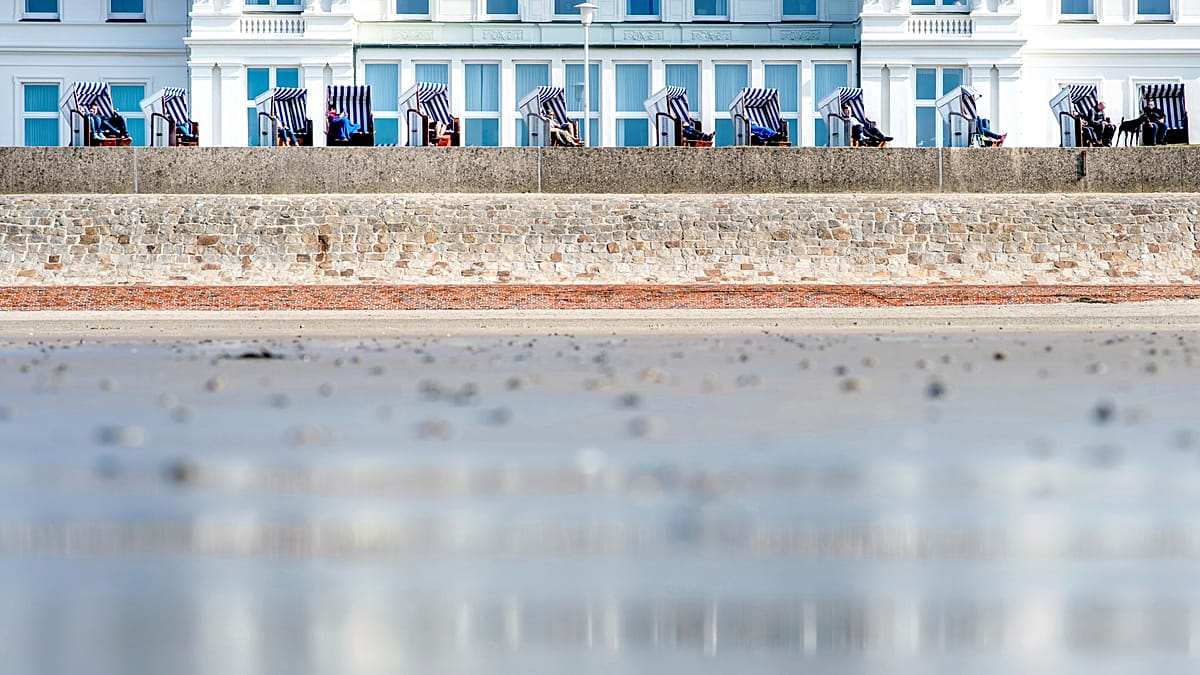
These small islands scattered across Germany's coasts and lakes share something special. Most ban cars entirely, relying instead on bicycles, horse-drawn carriages, and walking paths to get around.
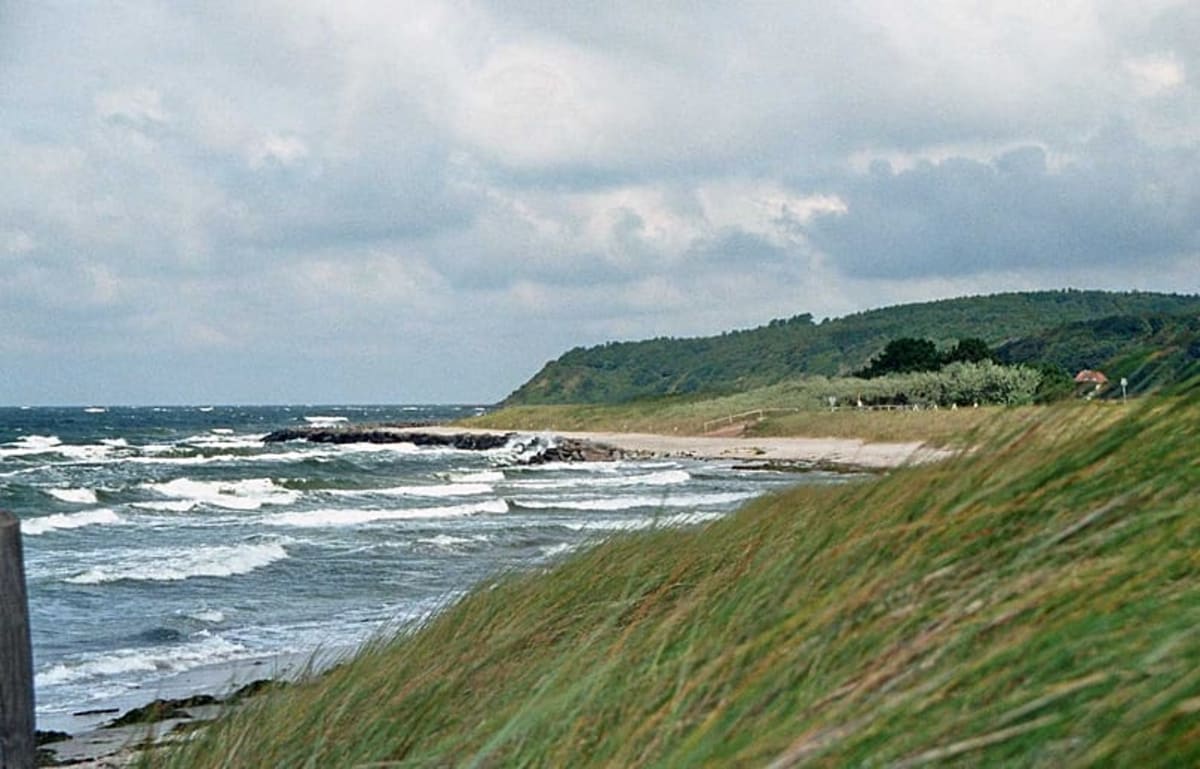
Take Hiddensee in the Baltic Sea, a 17-kilometer stretch of sandy beaches and dune landscapes. Visitors explore by bike or on foot, discovering lighthouses and coastal views without the rumble of traffic. The island's car-free policy has helped preserve its peaceful character for decades.
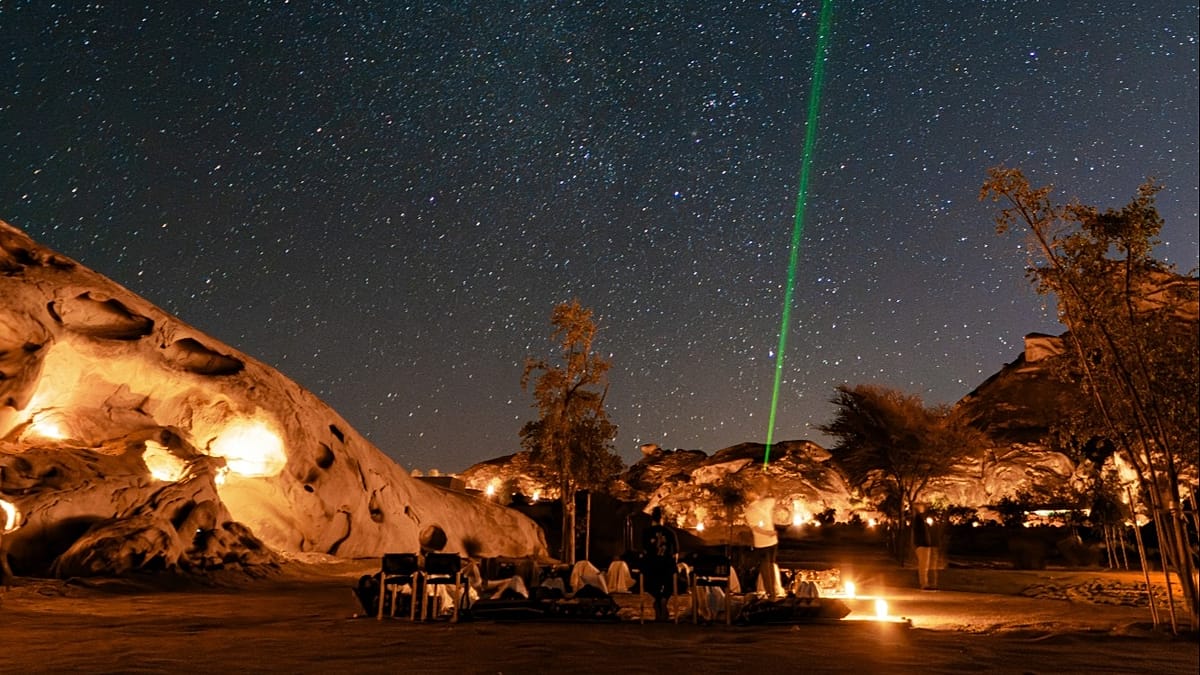
On the North Sea side, tiny Baltrum spans less than seven square kilometers. Locals call it the "Sleeping Beauty of the North Sea" because you can walk across the entire island in an afternoon. At night, visitors experience something increasingly rare: complete silence and star-filled skies.
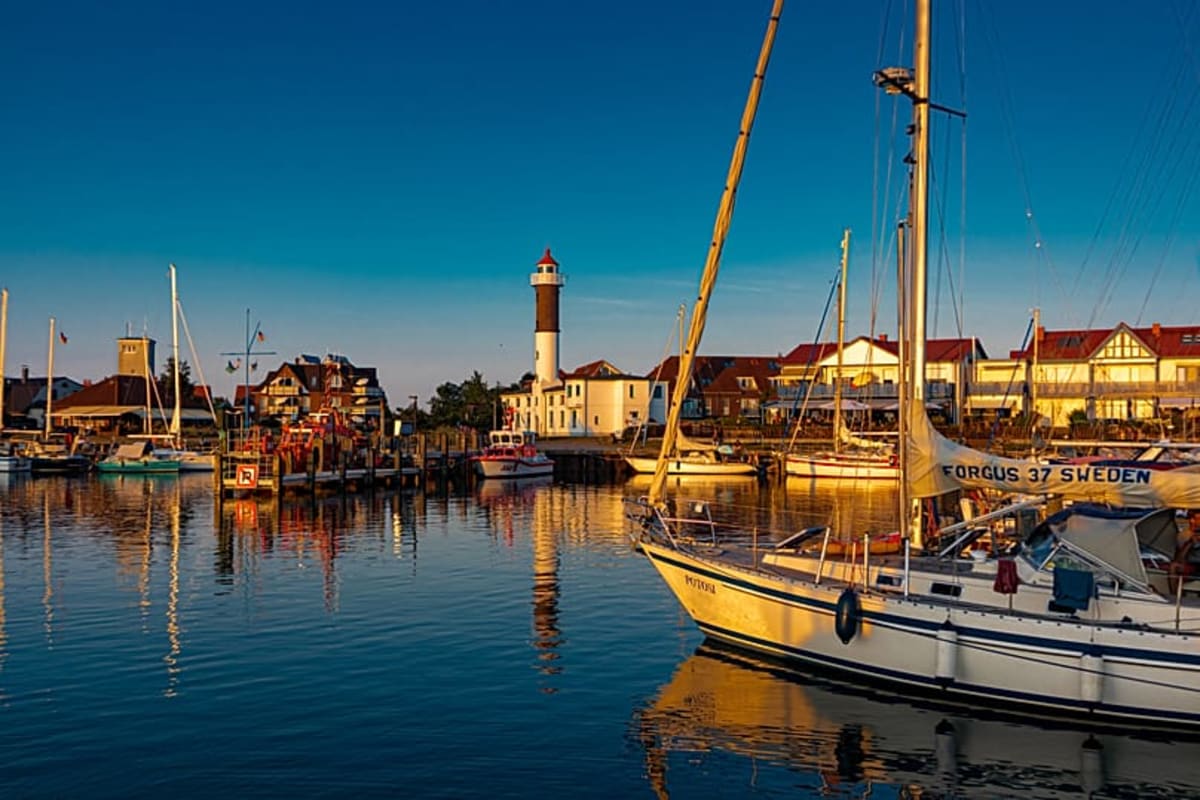
Neuwerk takes isolation further. This island sits 100 kilometers from Hamburg in the middle of the Wadden Sea. At low tide, visitors can walk there across mudflats or ride horse-drawn wagons through shallow waters. A 14th-century lighthouse stands as the island's landmark, guiding travelers to one of Germany's most unusual destinations.
The strictly protected island of Vilm limits daily visitors to preserve its ancient beech forest. Only guided tours can access this nature reserve off Rügen's coast, where conservation comes first.
The Ripple Effect
These islands represent a growing shift in how people travel. Instead of packing schedules with attractions, visitors are choosing destinations that offer less to do but more space to simply be.
The car-free policies benefit more than tourists seeking peace. These islands have become havens for wildlife, with thousands of cranes stopping at Ummanz during autumn migrations and seal colonies thriving around Wangerooge. Reduced development has preserved salt marshes, dunes, and beaches that support diverse ecosystems.
Local economies thrive on this slower tourism model. Small guesthouses, bike rental shops, and guided nature walks create sustainable jobs without requiring massive resort infrastructure. The islands prove that protecting nature and welcoming visitors aren't opposing goals.
Even Bavaria's Lake Chiemsee offers island escapes in the Alpine foothills, showing that you don't need an ocean for the island experience. What matters is the mindset: leaving the mainland behind and embracing a different pace.
Germany's hidden islands are teaching a valuable lesson about modern travel: sometimes the best destinations are the ones that ask you to slow down.
More Images
Based on reporting by Euronews
This story was written by BrightWire based on verified news reports.
Spread the positivity!
Share this good news with someone who needs it