Germany's Meat Worker Reform Shows Path for Netherlands
After Germany banned temporary agency work in slaughterhouses and put 35,000 workers on direct payroll, workplace accidents dropped sharply and affordable meat stayed affordable. Now the Netherlands is weighing whether to follow that successful model.
When Germany ended outsourcing in its meat industry in 2021, critics warned it would devastate the sector and spike prices. Instead, something better happened.
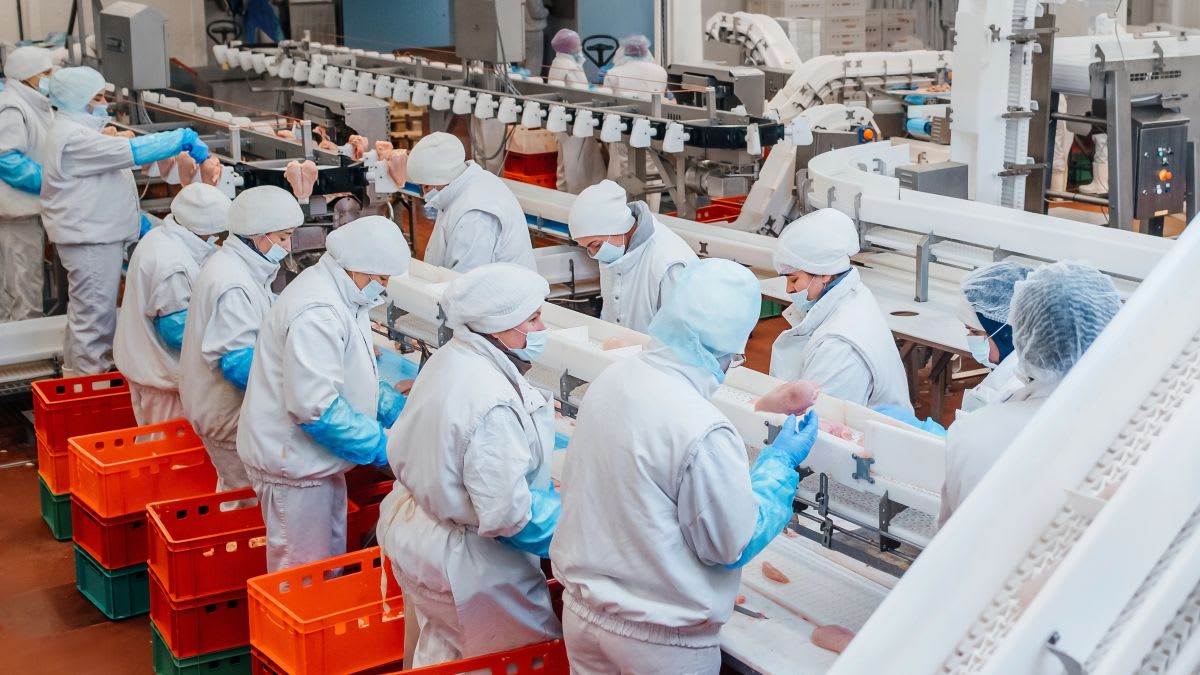
Around 35,000 slaughterhouse workers who'd been hired through temporary agencies got brought onto company payrolls with direct employment. Recent studies show workplace accidents fell sharply across the industry. And German consumers? They're still enjoying affordable bratwurst.
"In Germany people are in direct employment on a huge scale and they still eat bratwurst that is affordable," says Nine Kooiman, vice-chair of the Dutch FNV trade union. She's pointing to that success as the Netherlands considers similar reforms.
The Dutch government has given its meat processing sector until mid-June to demonstrate real improvements in how it treats foreign workers, many from central and eastern Europe. If progress isn't sufficient, the industry could face a ban on hiring through temporary agencies, just like Germany implemented.
Dutch minister Hans Vijlbrief set the deadline after 29 rounds of talks since 2021 showed the need for stronger action. The meat industry has now submitted an action plan promising to work only with certified agencies, reduce instant dismissals, and cut workplace accidents.
The Ripple Effect
Germany's reform proves that protecting workers and maintaining affordable food aren't opposing goals. The country's model shows companies can absorb labor costs without passing massive price increases to consumers.
The approach also created stability for tens of thousands of workers who previously faced instant dismissal and housing tied to their jobs. That security ripples through families and communities across central and eastern Europe who depend on wages sent home.
A final decision from Dutch authorities is expected within two weeks, after labor inspectors release their latest industry report. Whatever happens, Germany has already written the playbook showing better treatment for workers can coexist with a functioning industry.
Based on reporting by Dutch News
This story was written by BrightWire based on verified news reports.
Spread the positivity!
Share this good news with someone who needs it