Germany's Renewable Energy Hits 44%, Beats Fossil Fuels
Wind and solar power now generate more electricity than fossil fuels in Germany for the first time, signaling the country could abandon coal years ahead of schedule. The milestone represents a stunning reversal from 2000, when coal powered more than half the nation.
Germany just crossed a threshold that seemed impossible two decades ago: clean wind and solar now provide 44 percent of the country's electricity, finally surpassing fossil fuels at 43 percent.
The shift marks an extraordinary transformation for Europe's largest economy. Back in 2000, when Germany passed its landmark renewable energy law, coal supplied more than half of all electricity while wind and solar contributed almost nothing.
Today, coal has plummeted to just 21 percent of the power mix. Experts now believe Germany will completely phase out coal well before its 2038 target, even after the country shut down all its nuclear plants in recent years.
The victory reflects a broader European trend. Across the entire EU, wind and solar overtook fossil fuels for the first time in 2025, generating 30 percent of electricity compared to fossil fuels' 29 percent.
Germany's success comes despite real challenges. The country still grapples with negative electricity prices when sunny, windy days produce more power than people can use, forcing some solar and wind farms to temporarily shut down.
But solutions are already taking root. Heat pumps outsold gas boilers in Germany last year for the first time, with sales jumping 34 percent in early 2026 as homeowners seek cheaper, cleaner heating options.
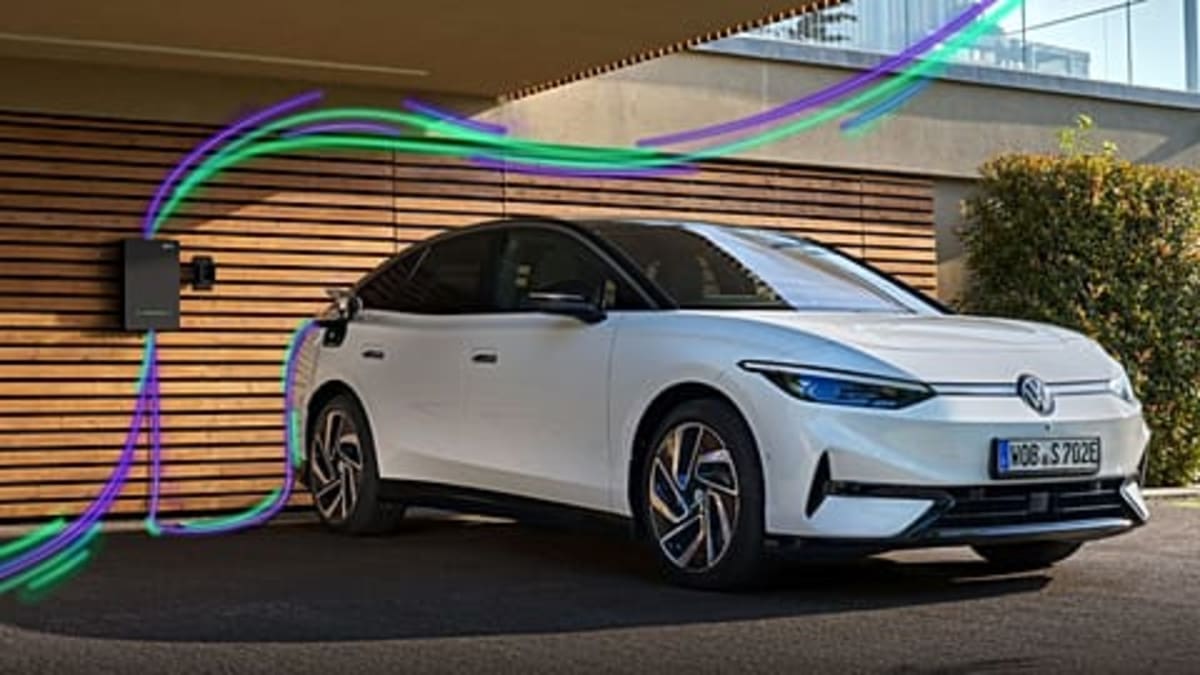
These electric heat pumps help balance the grid by using excess renewable electricity when it's most abundant. As more households switch to heat pumps and electric vehicles, they naturally absorb surplus clean energy that would otherwise go to waste.
The Ripple Effect
Germany's renewable transformation is reshaping energy markets across Europe. Neighboring countries now benefit from overflow German solar and wind power during peak production times, while Germany can import power when skies are cloudy or winds are calm.
The country's experience is proving that industrial nations can dramatically reduce fossil fuel dependence faster than expected. What seemed like an ambitious goal in 2000 became reality in just 25 years, offering hope for other countries attempting similar transitions.
Smart meter technology is slowly spreading too, giving households tools to automatically run dishwashers and charge cars when renewable energy is cheapest and most plentiful.
Germany's clean energy milestone demonstrates that the transition away from fossil fuels isn't just possible for major economies—it's already happening.
More Images

Based on reporting by Euronews
This story was written by BrightWire based on verified news reports.
Spread the positivity!
Share this good news with someone who needs it