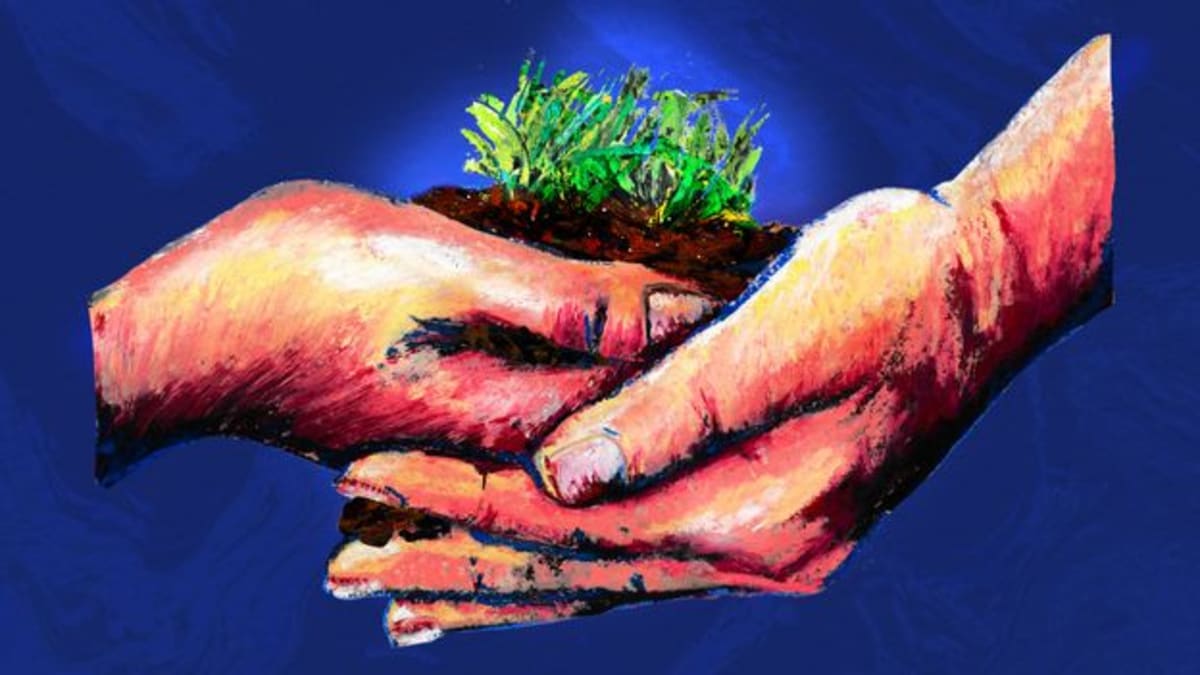
Getting Dirty Boosts Your Immune System, Science Confirms
Scientists in Finland discovered that touching soil, trees, and plants for just 20 seconds dramatically increases beneficial bacteria on your skin and strengthens your immune system. The findings are transforming how daycares approach outdoor play.
Imagine if getting muddy could make you healthier. That's exactly what scientists are discovering about our relationship with dirt, and it's changing how we think about outdoor play.
Researcher Mira Grönroos at the Finnish Environment Institute asked people to rub their hands with soil, peat, and moss for just 20 seconds. Even after rinsing with tap water, the variety and abundance of beneficial microbes on their skin increased dramatically. "To the naked eye their hands looked clean, but the change was so huge," she says.
This matters because a rich mix of microbes on our skin acts like a protective shield. When diverse bacteria live together, they defend us against harmful, disease-causing bacteria that could make us sick.
At Aurinkolinna daycare in central Finland, mucky hands are now considered a sign of good health. Children spend at least two hours daily playing outside in a wooded playground, racing between bushes, making sandcastles, and grabbing fistfuls of dirt. By day's end, they're covered head to toe in mud.
Environmental scientist Marja Roslund led groundbreaking research that brought forest floor materials into daycare yards. After children played on peat and planting boxes for just 28 days, they showed greater microbial diversity on their skin compared to kids who played on paved yards. A year later, that diversity remained.
"Disease is like a dictator, and healthy skin is like a democracy," Roslund explains. The diverse bacteria crowd out harmful pathogens, leaving less space for the bad guys to take hold.
The Ripple Effect
The benefits extend far beyond skin deep. Children who played in sandboxes enriched with microbially diverse soil showed changes in their blood samples. Their immune markers indicated stronger immunoregulation, meaning their bodies could better fight threats without becoming overactive.
This supports the biodiversity hypothesis, which suggests that loss of environmental diversity could explain rising immune-related conditions. Roslund found that one bacterial family, gammaproteobacteria, plays a crucial role. When this bacteria increased on children's skin, they developed more regulatory T cells, white blood cells that prevent autoimmune diseases.
The Vahvistu project now includes 43 Finnish daycares transforming their yards with woodchips, sand areas, and wooden pathways. Government funding supports the three-year study tracking how nature contact affects children's immune systems through skin, saliva, blood, and hair samples.
The research suggests that frequent contact with natural materials could significantly change what's happening in our bodies. While 20 seconds of touching bark or grass provides a temporary boost, Grönroos notes that regular, prolonged contact creates lasting benefits.
Next time you walk past a tree, reach out and touch it—your immune system will thank you.
More Images
Based on reporting by BBC Future
This story was written by BrightWire based on verified news reports.
Spread the positivity!
Share this good news with someone who needs it