Ghana: 60,000+ Sanitary Pads Reach Students Across 6 Regions
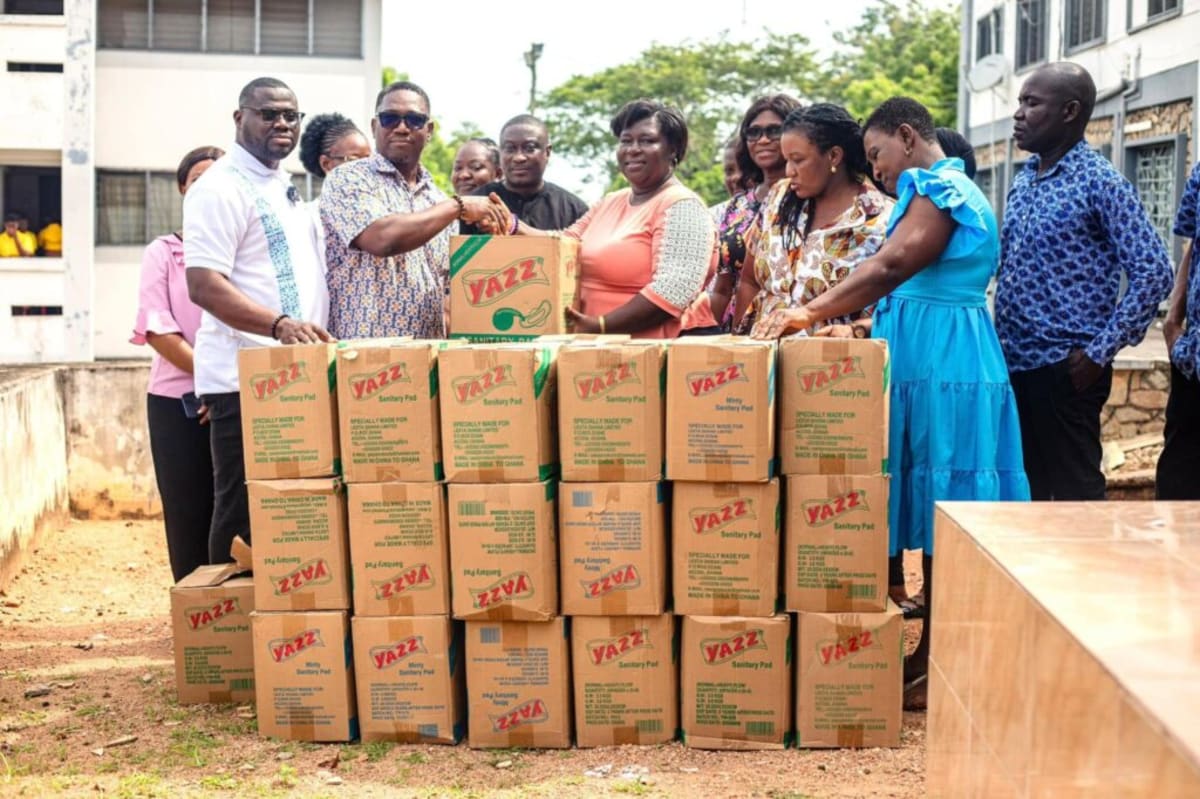
Ghana's National Petroleum Authority delivered over 60,000 sanitary pads to girls at seven high schools, ensuring menstruation doesn't interrupt education. The World Menstrual Hygiene Day initiative reached students across six regions with products and empowerment messages.
Thousands of female students across Ghana just received something that could change their entire academic year.
The National Petroleum Authority distributed more than 60,000 sanitary pads to girls at seven senior high schools in six regions to mark World Menstrual Hygiene Day 2026. Students at Ghana Senior High School, OLA Girls, Holy Child School, and four other institutions now have the supplies they need to stay in class every day of the month.
The program addresses a quiet crisis affecting girls throughout developing nations. Many students miss school days each month simply because they lack access to menstrual products, creating gaps in learning that compound over time and limiting future opportunities.
Maxwell Asare Ampadu, who leads Corporate Social Responsibility at the NPA, put the mission plainly during school visits. Every female student deserves to pursue her dreams with confidence and dignity, regardless of menstrual health challenges.
The Authority chose these specific schools strategically, spreading resources across Ghana's regions to reach students in different communities. Bole Senior High School, Ahantaman Girls, T.I. Ahmadiyya, and Adonten Senior High School joined the three other institutions in receiving supplies.
The Ripple Effect
When girls stay in school consistently, entire communities benefit. Education remains the most reliable path out of poverty, and something as basic as menstrual products can mean the difference between a girl finishing her education or dropping out.
The economic impact extends beyond individual students. Women with complete secondary education earn significantly more over their lifetimes, contribute more to their local economies, and are more likely to ensure their own children stay in school.
Ampadu encouraged the students to prioritize hygiene practices and stay focused on their studies. He reminded them to believe in their potential to succeed, reinforcing that the NPA sees this work as an investment in Ghana's future.
The Authority has committed to continuing these interventions as part of their broader approach to sustainable development. By addressing practical barriers to education, they're helping create conditions where talent and hard work matter more than circumstance.
Simple solutions sometimes create the biggest changes.
Based on reporting by Myjoyonline Ghana
This story was written by BrightWire based on verified news reports.
Spread the positivity!
Share this good news with someone who needs it