Ghana and Japan Launch $1.5M Peace and AI Projects
Ghana and Japan just unveiled three groundbreaking projects worth $1.5 million to build peace in conflict zones, transform digital governance, and use AI to revolutionize healthcare. The partnership shows how nations can work together to solve real problems while preparing communities for a tech-driven future.
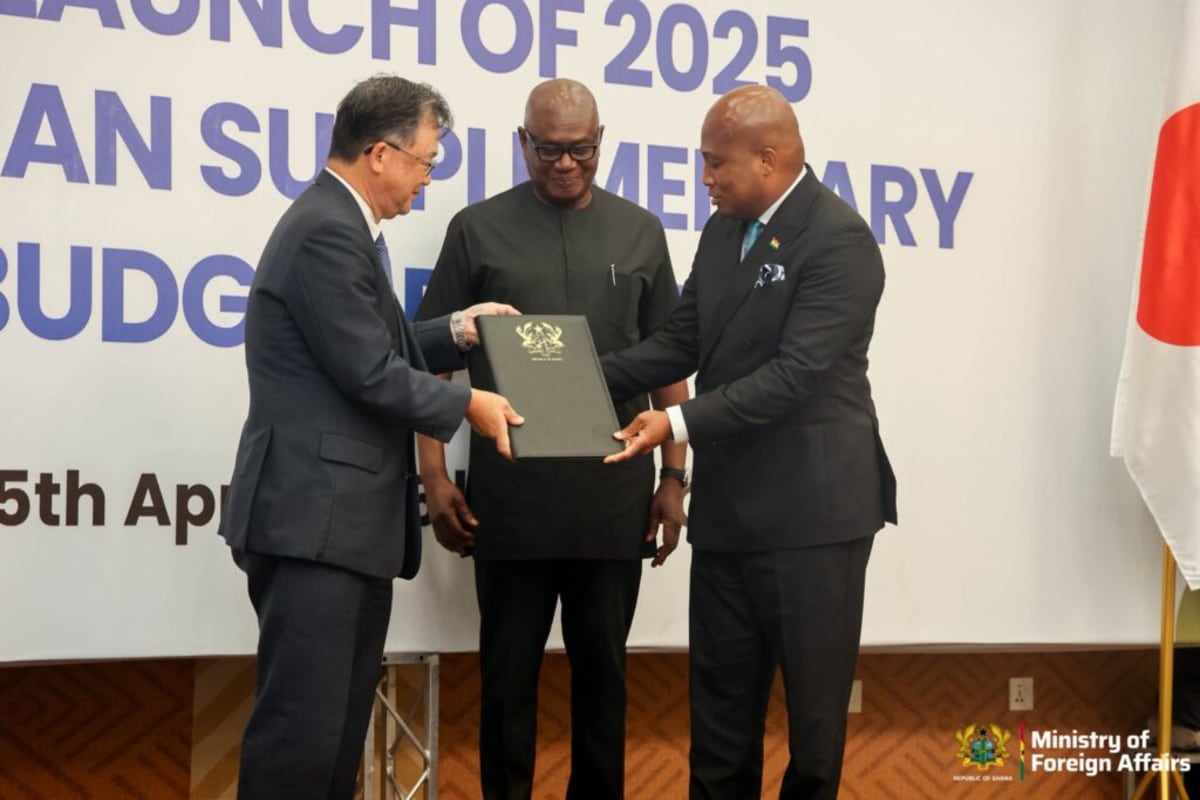
Ghana and Japan are turning hope into action with a $1.5 million investment in three projects that tackle some of the country's most pressing challenges. Announced on April 15, 2026, the initiatives focus on peacebuilding in the conflict-affected town of Bawku, digital transformation in government, and artificial intelligence for better healthcare.
The Bawku peacebuilding project arrives at a critical moment. National Security Advisor Prosper Bani explained that lasting peace requires more than security forces—it needs dialogue, trust, and inclusive development that gives communities real reasons to choose cooperation over conflict.
The digital transformation program will train public sector workers to use technology more effectively in serving citizens. Minister Samuel Nartey George shared exciting news: Ghana's National Artificial Intelligence Strategy just received Cabinet approval and launches next week, positioning the country as a regional leader in responsible AI use.
The health innovation project promises to transform how Ghana responds to disease outbreaks and delivers care. Using artificial intelligence, the system will detect health threats earlier, improve data management, and help more people access healthcare services—especially in underserved areas.
Japan's Ambassador Hiroshi Yoshimoto described the partnership as proof of deepening friendship between the two nations. The projects bring together the governments of Ghana and Japan with the United Nations Development Programme and World Health Organization, showing how global partnerships can deliver local solutions.
Why This Inspires
This collaboration demonstrates something powerful: technology doesn't have to leave people behind. WHO Country Representative Fiona Braka emphasized that the AI healthcare tools will remain ethical, inclusive, and people-centered—designed to serve communities, not replace human connection.
The projects also show how solving one problem can create positive change in unexpected ways. The same AI systems improving disease surveillance will strengthen data governance across sectors, while peacebuilding efforts in Bawku will create stability that allows development and innovation to flourish.
Foreign Affairs Minister Samuel Okudzeto Ablakwa noted the initiatives align perfectly with Ghana's national priorities in conflict resolution, digital governance, and universal health coverage. UNDP Resident Representative Niloy Banerjee praised the approach for proving that innovation, peacebuilding, and resilience can advance simultaneously rather than competing for resources.
Ghana's willingness to lead in responsible AI adoption while prioritizing peace and equity offers a roadmap for other developing nations navigating rapid technological change.
The partnership transforms $1.5 million into hope, healing, and a high-tech future that brings everyone along for the journey.
Based on reporting by Google News - Ghana Development
This story was written by BrightWire based on verified news reports.
Spread the positivity!
Share this good news with someone who needs it