Ghana and Zambia Team Up to Build Better Jobs for Youth
Two African nations are joining forces to transform how young people learn job skills, sharing solutions that work and building a future where training leads to real employment. With support from the EU and ILO, this partnership is creating pathways to opportunity across key industries.
Ghana and Zambia are proving that when countries collaborate on skills training, everyone wins.
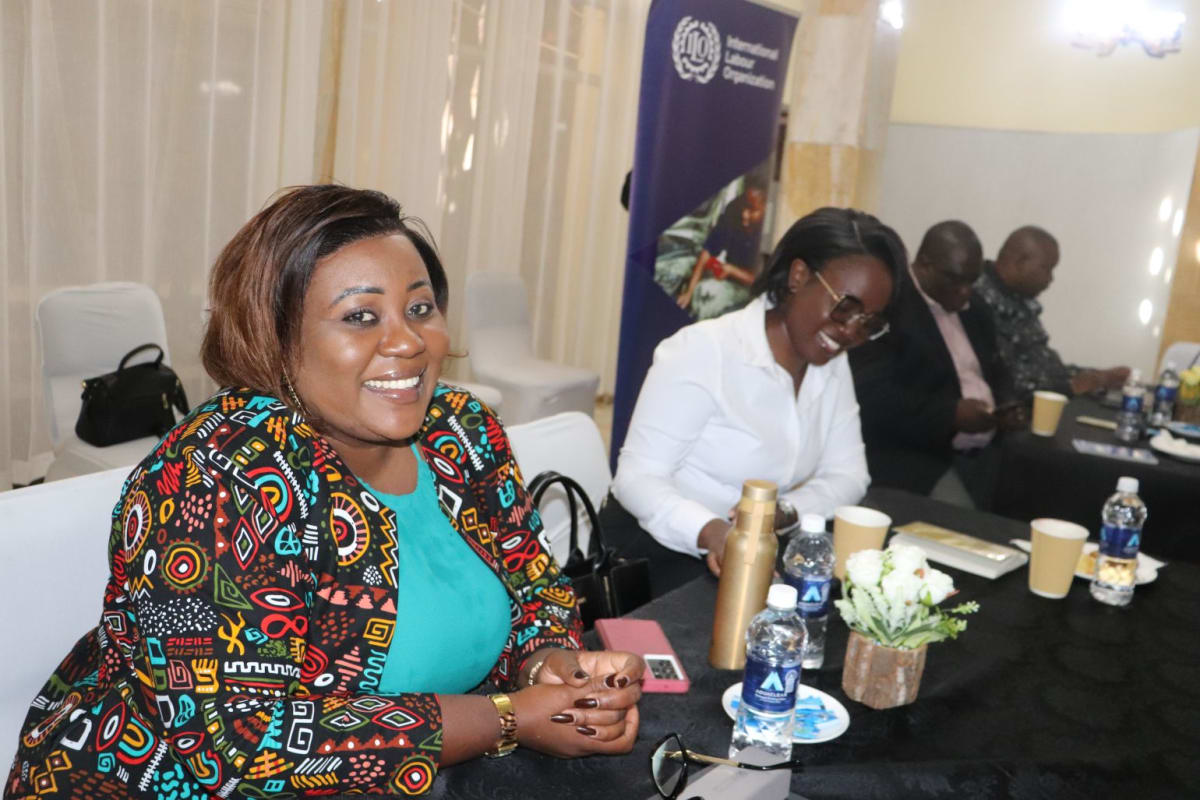
The two nations launched an exchange mission in Lusaka this week, bringing together vocational education experts to share what's working in preparing young people for the jobs of tomorrow. Supported by the European Union and International Labour Organization, the initiative focuses on making technical training more relevant to what employers actually need.
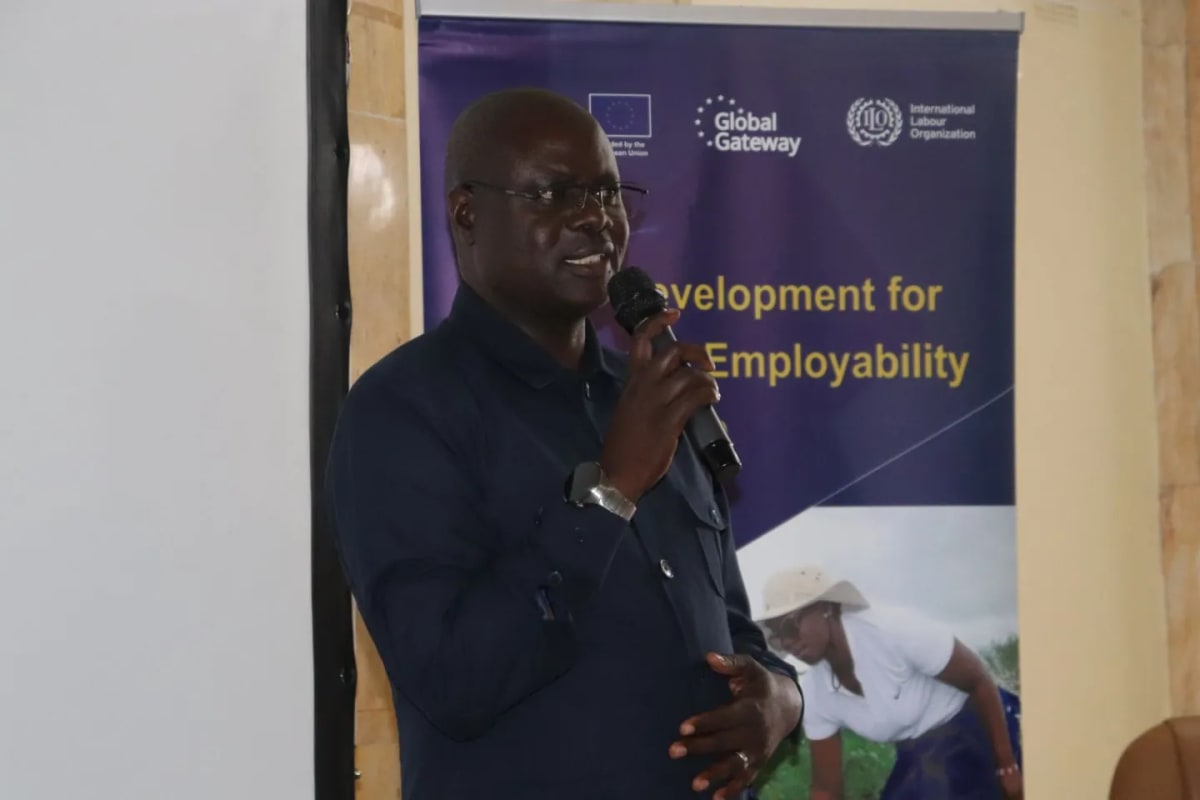
Zambia's Permanent Secretary for Labour and Social Security, Zechariah Luhanga, praised the partnership at a forum held at the Zambia Institute for Tourism and Hospitality Studies. He noted that both countries are learning practical approaches from each other to build skilled, employable workforces.
The collaboration tackles real challenges. Participants are exploring better ways to fund skills programs, strengthen partnerships between schools and businesses, and integrate green and digital skills into training. These aren't just buzzwords but essential tools for young people entering a rapidly changing job market.
The exchange focuses on four sectors critical to both economies: mining, energy, agriculture, and tourism. Industry leaders from these fields met with government officials and training institutions to discuss how education programs can better match what companies are hiring for today and will need tomorrow.
One key insight emerged clearly: the private sector must help shape skills training. When employers work directly with schools and government, students graduate with abilities that translate immediately into jobs. That means less unemployment and more productive workers driving economic growth.
The Ripple Effect
This partnership reaches far beyond policy meetings and study visits. Young people across both nations stand to benefit from improved training systems that actually lead to decent work and sustainable careers.
The collaboration addresses fundamental questions about workforce development. How do you fund quality training programs sustainably? What does effective work-based learning look like? How can countries prepare workers for green jobs and digital transformation while maintaining strong foundations in traditional industries?
By exchanging best practices on sector-based planning and sustainable financing, Ghana and Zambia are building models that other nations can learn from. Their shared commitment shows that regional cooperation can accelerate progress faster than going it alone.
The forum highlighted something often overlooked: skills development is about more than individual success. When young people gain relevant competencies and find meaningful work, entire communities benefit through reduced poverty, increased productivity, and inclusive economic growth.
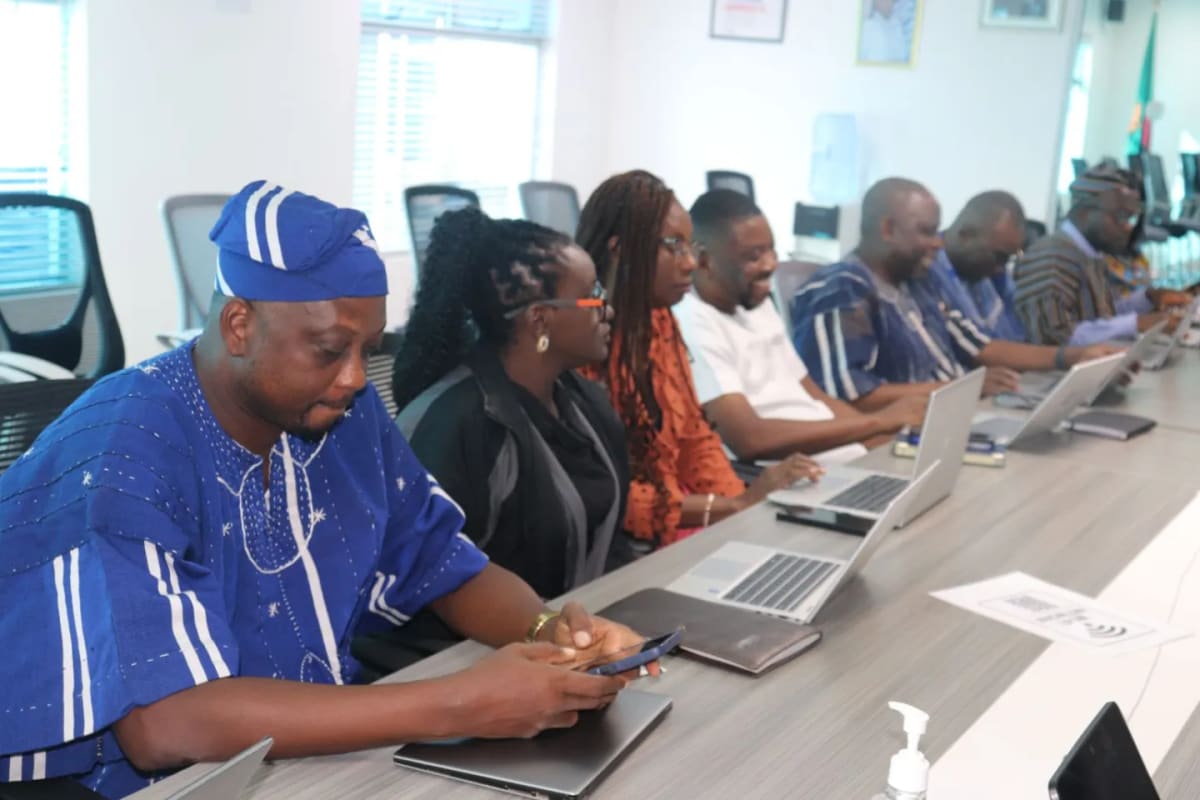
Both delegations plan to continue sharing innovations in training systems, with a focus on ensuring programs respond to current and future labour market needs. The partnership reflects a vision where skills genuinely create opportunity, not just certificates that sit in drawers.
This collaboration proves that investing in young people's abilities pays dividends across borders.
More Images
Based on reporting by Google News - Ghana Development
This story was written by BrightWire based on verified news reports.
Spread the positivity!
Share this good news with someone who needs it