Ghana Chooses Community Service Over Prison for Minor Crimes
Ghana just passed a groundbreaking law that lets judges send people who commit minor offenses to community service instead of jail. The move could ease prison overcrowding by 37% while saving taxpayers nearly $3.5 million a year. #
Ghana's Parliament just gave judges a powerful new tool to keep people out of overcrowded prisons and put them to work building stronger communities instead.
The Community Service Bill awaits only President Mahama's signature to become law. Once enacted, it will allow courts to assign community service instead of jail time for offenses punishable by up to three years in prison.
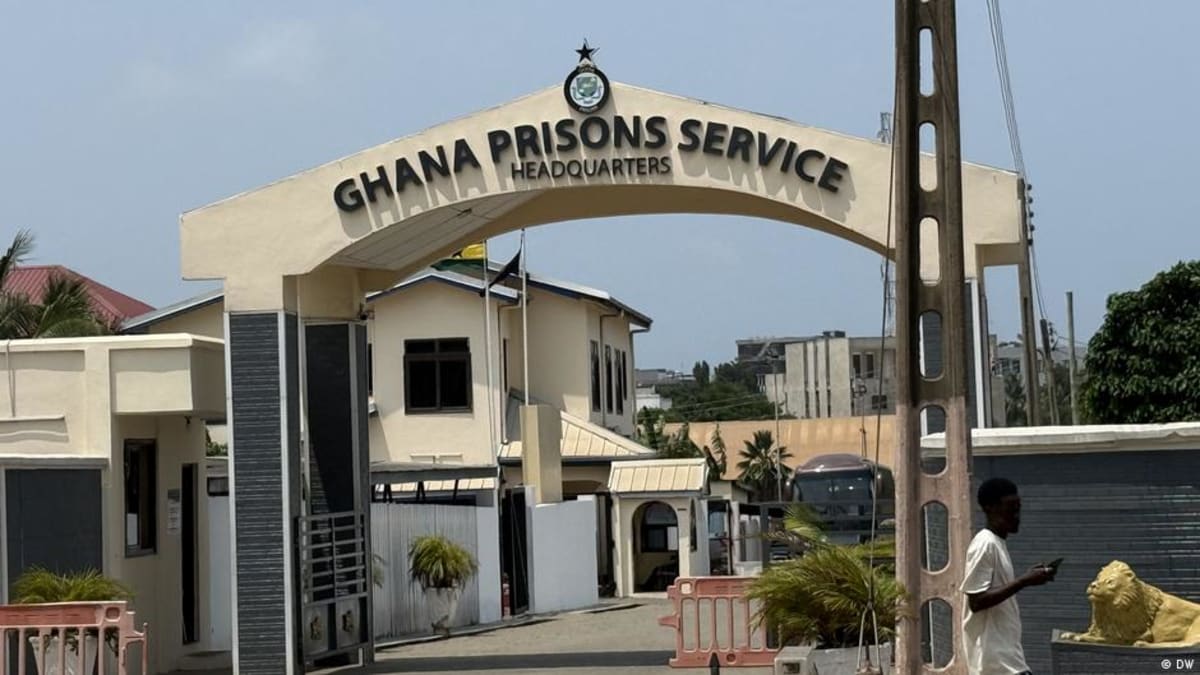
The timing couldn't be better. Ghana's prisons are bursting at the seams, running at 137% capacity with over 13,000 inmates. Feeding them alone costs 10 million cedis (about $859,000) every three months, straining budgets that could fund schools, hospitals, and roads.
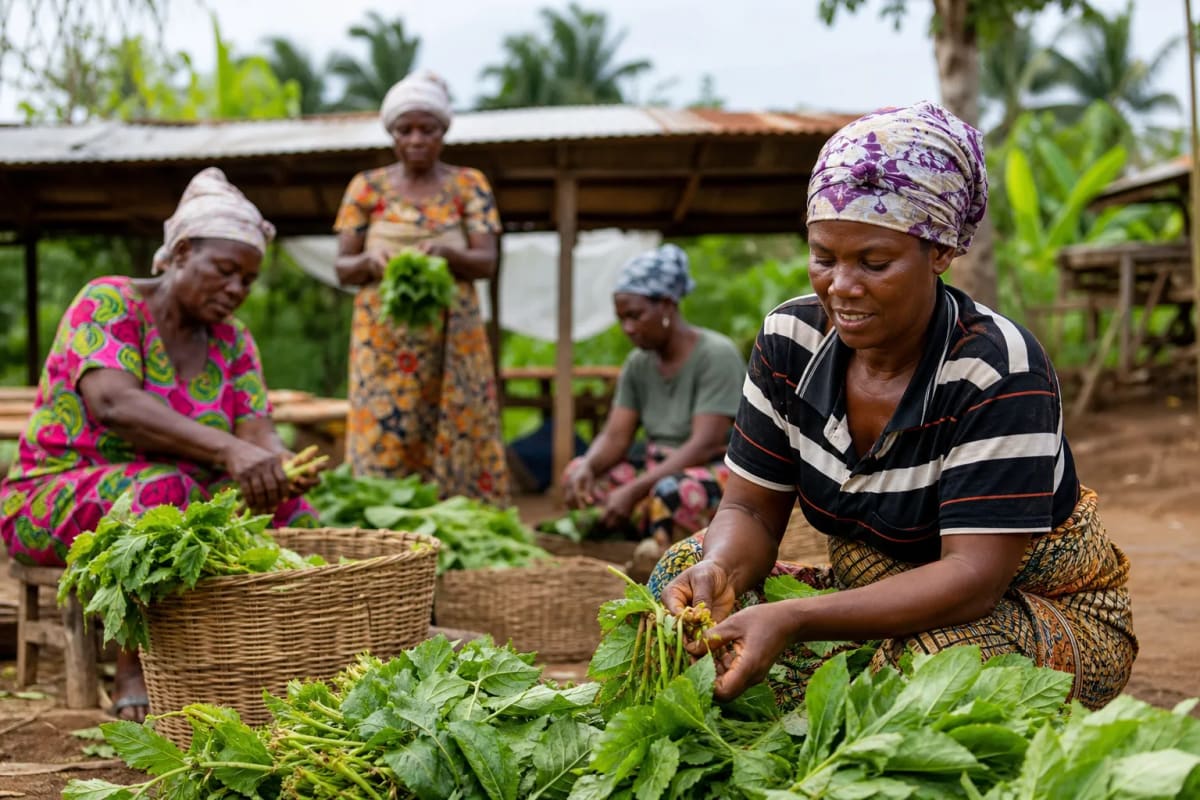
Under the new law, people convicted of petty crimes like traffic violations or false publication will clean streets, assist with civic projects, or learn job skills. They'll stay with their families, keep their dignity, and contribute to society rather than languishing in cells.
The government spent a decade developing this framework with support from UNICEF. A new National Community Service Secretariat will oversee the program, while judges will use social inquiry reports to match offenders with appropriate service assignments.
Legal practitioner Christian Malm Hesse calls it "a step in the right direction." The bill includes safeguards to prevent misuse, ensuring that only qualifying offenses receive noncustodial sentences and that judges make informed, consistent decisions.
Ghana isn't alone in this shift. Nigeria, Kenya, Zimbabwe, Malawi, Tanzania, and Uganda have all adopted similar programs. The United Nations actively encourages these alternatives, pointing to proven benefits like lower repeat offense rates and better community reintegration.
The Ripple Effect
Ghanaians are already imagining cleaner cities and stronger communities. "We'd have cleaner cities, cleaner regions, and make good use of our labor instead of overcrowding our prisons," said Accra resident Nurah Suglo.
Journalist Christabel Success agrees the law suits minor offenses perfectly, though she emphasizes fair application will make or break its success. Public education will be crucial so citizens understand which crimes qualify.
The savings go beyond money. Families won't lose breadwinners to jail cells. Young people who make mistakes will get second chances through rehabilitation rather than harsh punishment. Communities gain free labor for public projects while offenders learn accountability and job skills.
Ghana's prisons have suffered from inadequate budgets, soaring medical costs, and dangerous overcrowding for years. This bill addresses all three problems while modernizing the justice system to match global best practices in restorative justice.
The legislation shows that accountability doesn't require incarceration, and real justice can rebuild lives instead of just warehousing people.
#
More Images

Based on reporting by DW News
This story was written by BrightWire based on verified news reports.
Spread the positivity!
Share this good news with someone who needs it