Ghana District Cuts Poverty to 8.5% in Five Years
Ablekuma North Municipal in Ghana has emerged as the country's top-performing district in fighting poverty, reducing its poverty rate to just 8.5% over five years. The achievement shows how focused investment in education, healthcare, and basic services can transform communities.
A district in Ghana just proved that smart, sustained investment can dramatically improve people's lives in less than a decade.
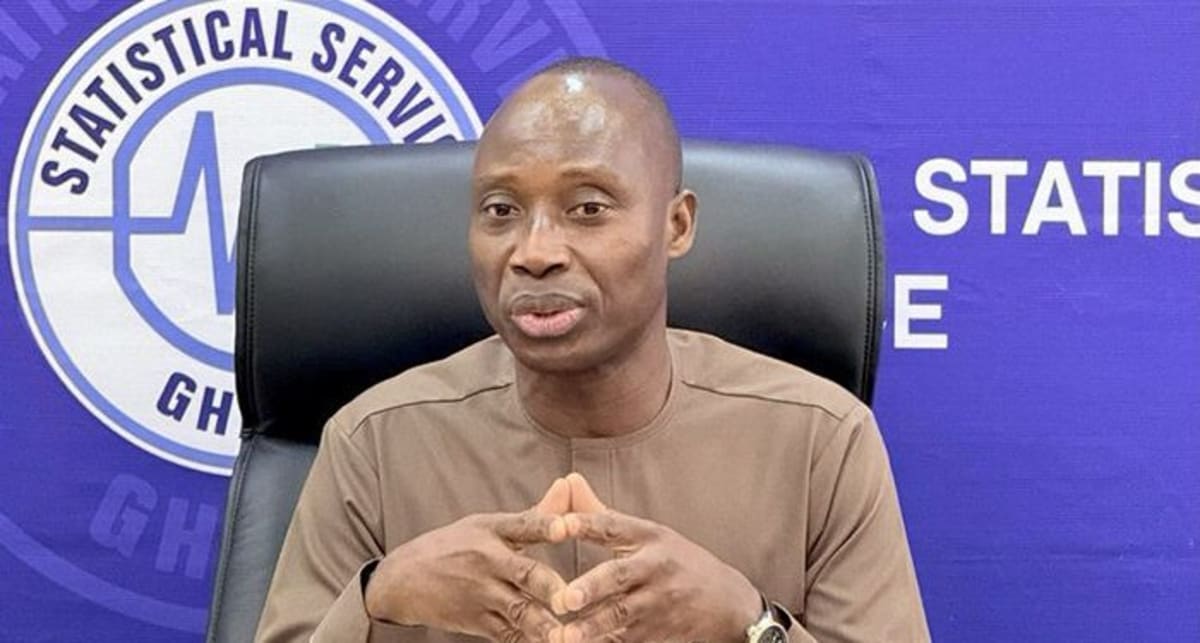
Ablekuma North Municipal has been named Ghana's best-performing district in the latest Multidimensional Poverty Index, achieving an average poverty rate of just 8.5% between 2021 and 2025. The Ghana Statistical Service released the rankings, highlighting how the urban municipality consistently reduced hardship for its residents year after year.
The municipality didn't just get lucky once. It maintained a spot in the country's top ten best-performing districts every single year during the five-year period, showing that real progress requires ongoing commitment.
Ablekuma West Municipal came in second with an 8.6% poverty rate, while Korle Klottey Municipal recorded 8.8%. Other strong performers included La Dade-Kotopon Municipal, Tema West Municipal, and several districts in the Greater Accra region, demonstrating how urban areas are leading Ghana's poverty reduction efforts.
The improvements didn't happen by accident. Officials credit better access to education, healthcare, sanitation, electricity, and employment opportunities as the driving forces behind the success.
The Ripple Effect
The rankings reveal more than just numbers. They provide a roadmap for other districts struggling with poverty, showing exactly what works when communities invest in people.
Ayawaso North Municipal recorded the lowest poverty rate nationwide in 2025 at just 5.5%, setting an inspiring benchmark for what's possible. Meanwhile, the data helps government officials and aid organizations target resources where they're needed most, creating a cycle of improvement that can spread across the country.
The success stories are concentrated in Greater Accra and Ashanti regions, while northern districts continue facing higher deprivation rates. This gap highlights both the challenge ahead and the proven solutions already working in urban areas that can be adapted for rural communities.
Ghana's Statistical Service says these rankings aren't just for celebration. They're practical tools for planning policies, directing investment, and designing social programs that actually reduce poverty where people need help most.
When communities invest in the basics, tens of thousands of families move from poverty to possibility.
Based on reporting by Myjoyonline Ghana
This story was written by BrightWire based on verified news reports.
Spread the positivity!
Share this good news with someone who needs it