Ghana Launches 5-Year Clean Water Plan for 700,000 People
Two districts in Ghana are getting a massive upgrade in clean water access through a new partnership that aims to reach 700,000 people by 2030. In a region where 93% of water is contaminated, this five-year program brings real hope to communities that have waited far too long.
In Ghana's Upper West Region, only one in four rural families has access to clean water, but that reality is about to change for hundreds of thousands of people.
World Vision Ghana just launched an ambitious five-year program targeting the Wa West and Wa East districts with expanded access to clean water, sanitation, and hygiene facilities. The initiative aims to reach 700,000 people by 2030, starting with nearly 100,000 people gaining safe water access every single year.
The timing couldn't be more critical. Dr. George Dery, a development advocate who chaired the launch event, shared sobering regional statistics: 93% of water consumed in the Upper West Region is contaminated. Communities aren't just lacking water. They're drinking unsafe water that threatens their health daily.
"WASH is not just about infrastructure. It is about health. It is about dignity. It is about equity and also about opportunity," said Joshua Baidoo, Director of Strategy at World Vision Ghana. The program will also provide improved sanitation facilities to over 300,000 people across 23 operational areas.
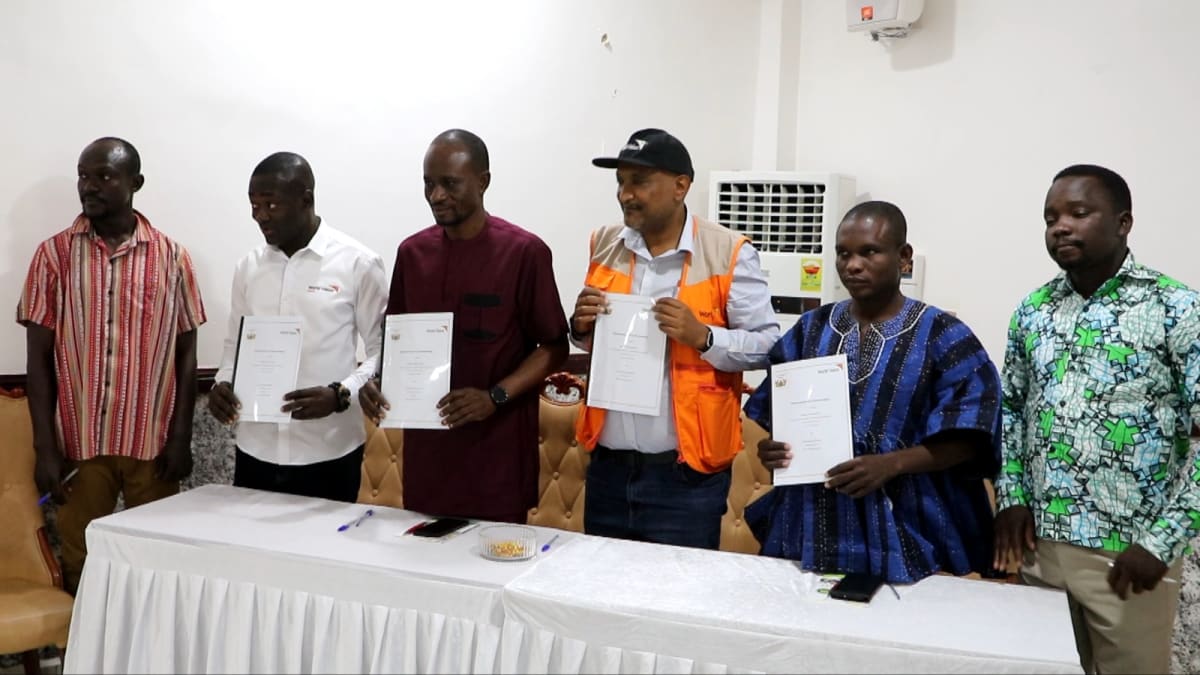
The partnership brings together district assemblies, the Regional Coordinating Council, and World Vision through formal agreements that outline exactly how resources will be mobilized and projects implemented. Richard Wullo, District Chief Executive for Wa West, noted that earlier World Vision interventions already made a difference. A solar borehole project from 2019 to 2020 improved water access and reduced conflicts at water collection points in several communities.
The Ripple Effect
Clean water transforms everything it touches. Children miss fewer school days from waterborne illness. Women spend less time walking miles to fetch contaminated water and more time on education or income. Conflicts over scarce resources decrease when communities have reliable access.
The program recognizes that infrastructure alone isn't enough. Officials emphasized the need for proper maintenance, management, and hygiene education to prevent re-contamination. The Regional Coordinating Council's Chief Planning Officer stressed that facilities must be sustained long after they're built, ensuring these improvements last for generations.
World Vision's approach focuses on collaboration rather than top-down solutions. "We are not going to do anything new. We want to sit with you, engage, and together come up with a clear plan of action," Baidoo explained. By 2032, the program aims to prove that universal service coverage isn't just ambitious but achievable when communities, government, and partners work together.
For families in Wa West and Wa East who have struggled with both drought and flooding, this five-year commitment means something simple yet profound: the dignity of clean water for every person, in every community.
Based on reporting by Myjoyonline Ghana
This story was written by BrightWire based on verified news reports.
Spread the positivity!
Share this good news with someone who needs it