Ghana Exceeds Climate Adaptation Goal, Covers 39 Districts
Ghana has covered 39 districts in its new National Adaptation Plan, nearly quadrupling its original target of 10 districts. The plan gives communities concrete tools and funding to prepare for climate challenges, with gender equality and youth leadership built right in.
Ghana is proving that climate action works best when it reaches local communities, and the numbers show real progress happening on the ground.
The country's National Adaptation Plan, launched just last December, has already covered 39 districts with climate resilience planning. That's nearly four times the original goal of 10 districts, thanks to partnerships with organizations like WaterAid and the UN Capital Development Fund.
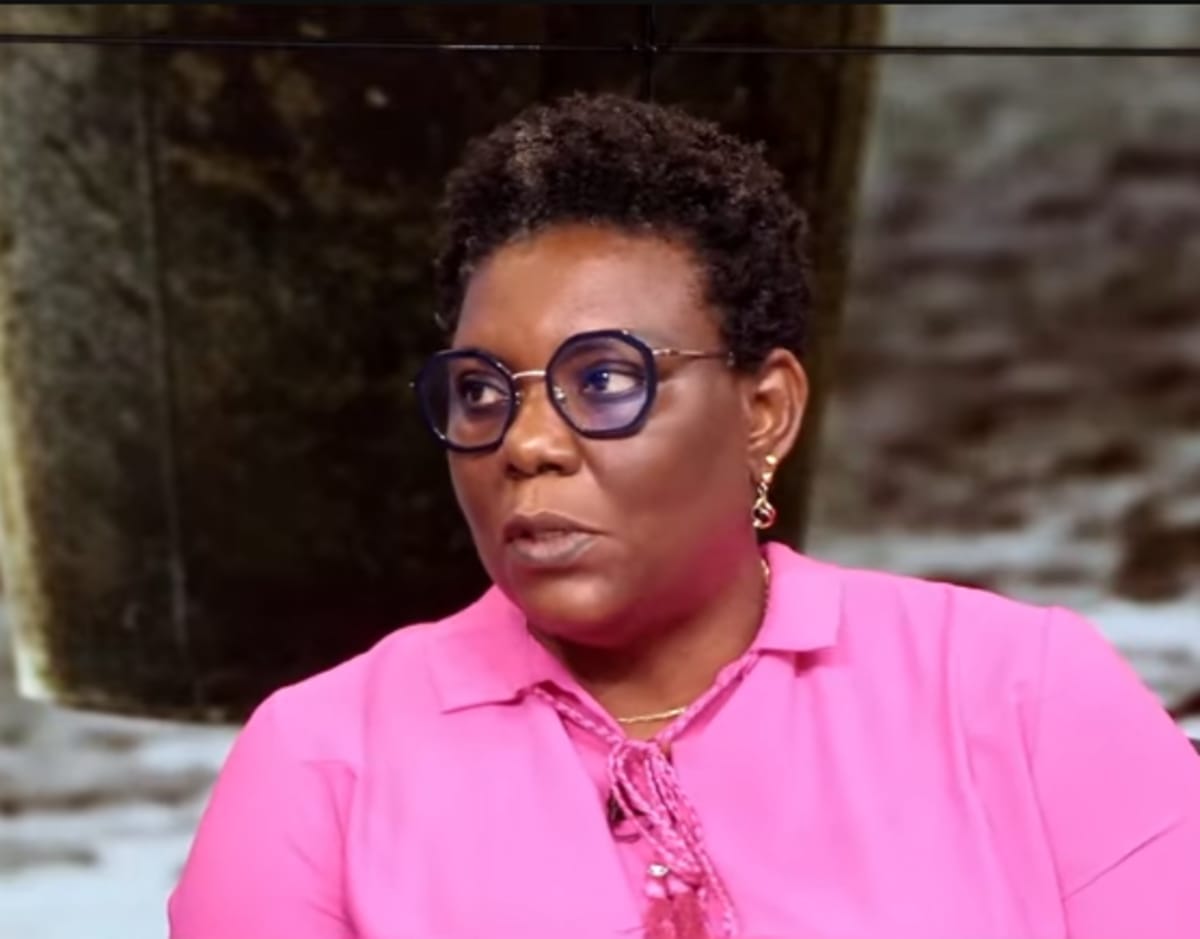
Stella Okoh, Deputy Director for Adaptation at Ghana's Environmental Protection Authority, shared the progress during a national climate dialogue in late March. She emphasized that the plan isn't just another policy document gathering dust. Each priority action comes with specific costs attached, making it easier to secure funding and track real outcomes.
The plan focuses on five critical sectors at the national level: water, agriculture, ecosystems and biodiversity, urban development, and health. Gender equality runs through all these sectors, ensuring women have equal access to resources and decision-making power.
What makes this approach special is how it balances national priorities with local needs. Each district undergoes a climate vulnerability assessment to identify its unique risks, from flooding patterns to drought concerns. Communities then get tailored strategies that actually fit their reality.
The Ripple Effect
Youth voices are helping shape Ghana's climate future through a dedicated strategy developed by civil society organizations. Young people aren't just learning about climate change; they're leading adaptation efforts in their own communities.
This model of inclusive planning means solutions come from the people who need them most. Farmers get practical tools for dealing with changing rainfall patterns. Urban planners receive guidance on building flood-resistant infrastructure. Health workers learn to prepare for climate-related disease outbreaks.
The expanded district coverage shows what happens when international partners support local action. Development organizations didn't just provide funding; they brought technical expertise that helped Ghana scale up its plans responsibly and effectively.
Ghana's success offers a template for other African nations facing similar climate challenges. By combining national coordination with district-level implementation, the country is building resilience from the ground up. Communities now have the resources and knowledge to protect themselves, even as climate impacts from past emissions continue.
One district at a time, Ghana is turning climate vulnerability into climate readiness.
Based on reporting by Myjoyonline Ghana
This story was written by BrightWire based on verified news reports.
Spread the positivity!
Share this good news with someone who needs it