Ghana Grads With Disabilities Demand Jobs, Push for Change
Hundreds of qualified graduates with disabilities in Ghana are calling for equal employment opportunities after years without work. Their push for a five percent job quota could transform hiring across Africa.
After six years of searching for work despite holding university degrees, hundreds of graduates with disabilities in Ghana are standing up for their right to earn a living.
The Coalition of Unemployed Tertiary Graduates with Disabilities represents skilled professionals with qualifications in education, law, administration, and technology who have been unable to find formal employment. Many completed their studies at great personal and financial cost, only to find doors closed when they entered the job market.
The numbers tell a stark story. While Ghana's national unemployment rate sits at 13 percent, unemployment among people with disabilities in the formal sector reaches nearly double that figure. Only 27 percent of working-age people with disabilities hold jobs, compared to 56 percent of people without disabilities.
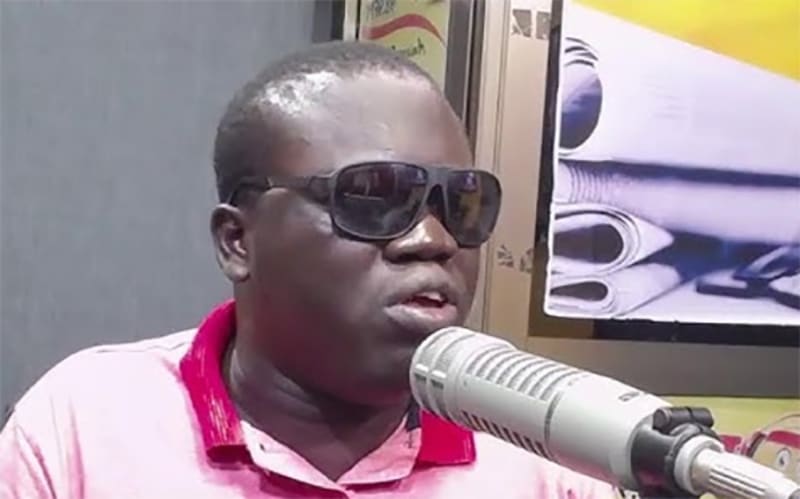
Gilbert Boateng Agyare leads the coalition pushing for change. The group has given the government one month to present a concrete employment plan that includes recruiting unemployed graduates with disabilities into public sector roles and enforcing hiring quotas across government agencies.
Their demand isn't without precedent. President John Dramani Mahama recently announced plans to introduce a five percent employment quota for people with disabilities in both public and private sector hiring. The coalition wants to see this promise become reality, with incentives for private companies that hire qualified workers with disabilities.
The Ripple Effect
This movement could reshape employment practices far beyond Ghana's borders. The country has signed onto the United Nations Convention on the Rights of Persons with Disabilities and passed the Persons with Disability Act in 2006. International Labour Organization guidelines encourage countries worldwide to adopt similar employment quota systems.
What makes this push powerful is its foundation in dignity and capability, not charity. These graduates have proven their qualifications through years of study. They're asking for the same opportunity to contribute their skills and talents that any graduate deserves.
The coalition plans peaceful protests across all sixteen regions if the government doesn't respond within their timeline. They've called on media and citizens to support policies that benefit not just individuals with disabilities, but the entire nation through inclusive economic growth.
Ghana has long positioned itself as a leader in African democracy. Now it has the chance to lead on disability rights and inclusive employment, setting an example that other nations could follow.
Based on reporting by Myjoyonline Ghana
This story was written by BrightWire based on verified news reports.
Spread the positivity!
Share this good news with someone who needs it