Ghana Inflation Hits 3.8%, Lowest in 5 Years
Ghana's inflation rate dropped to 3.8% in January 2026, marking the 13th straight month of decline and the lowest rate since 2021. The dramatic improvement signals better times ahead for households and businesses across West Africa's economic hub.
Families across Ghana are getting a break from rising prices as the country's inflation rate fell to just 3.8% in January, the lowest point in five years.
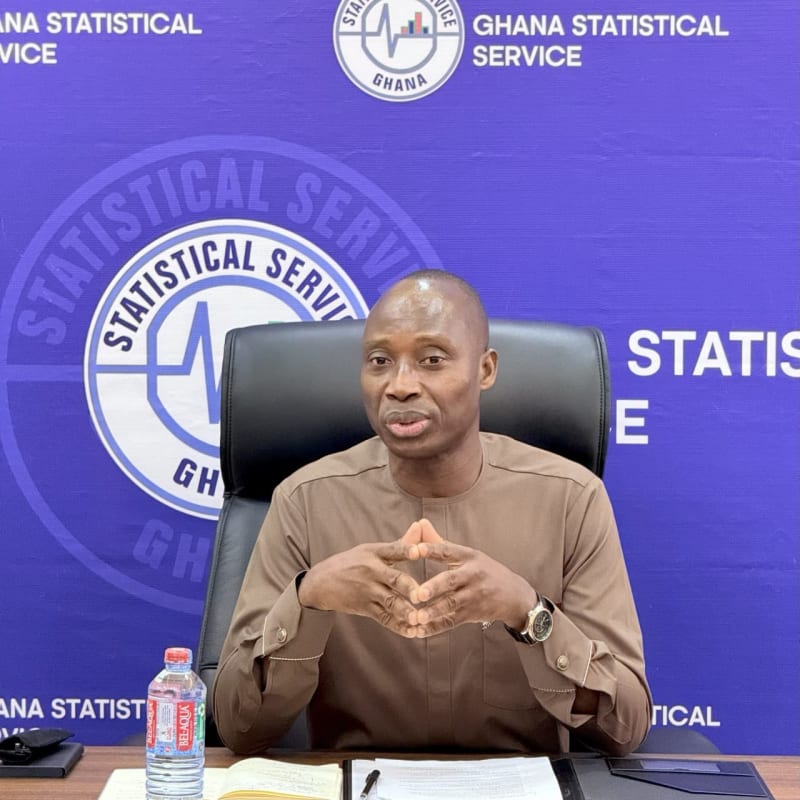
The drop marks the 13th consecutive month of declining inflation, a remarkable turnaround from the 23.5% rate recorded just one year earlier. Dr. Alhassan Iddrisu, Ghana's Government Statistician, released the figures showing prices barely budged month to month, rising just 0.2% between December and January.
The news gets even better when you look at what's actually on people's shopping lists. Food prices, which hit families hardest, saw inflation drop to 3.9% from 4.9% the previous month. Non-food items followed the same trend, easing from 5.8% to 3.9%.
One of the most encouraging signs comes from locally produced goods, which saw inflation fall to just 2.0%. Imported items still face pressure at 4.3%, but the gap shows Ghana's domestic economy is finding its footing.
The improvement isn't hitting everywhere equally. The North East Region still faces 11.2% inflation, while the Savannah Region enjoys a low 2.6% rate. Analysts point to differences in transport costs and market access as the main reasons for the divide.
The Ripple Effect
This steady decline in inflation doesn't just mean lower prices at the market. It signals that Ghana's entire economy is stabilizing after challenging years of price pressures.
For small business owners, it means they can plan ahead without worrying that next month's costs will spiral out of control. For parents, it means their paychecks stretch a bit further when buying school supplies or putting food on the table.
The sustained 13-month trend also builds confidence among investors and international partners that Ghana is managing its economic challenges effectively. When inflation stays low and predictable, everyone from street vendors to major employers can make better decisions about the future.
Economic analysts say the momentum could continue in coming months, potentially bringing even more relief to households that have weathered years of uncertainty. Lower inflation often leads to lower interest rates, making it easier for people to borrow money for homes or businesses.
Ghana's achievement stands out across West Africa, where many countries continue wrestling with stubborn price increases. The country is proving that consistent economic management can deliver real results for everyday people.
Based on reporting by Myjoyonline Ghana
This story was written by BrightWire based on verified news reports.
Spread the positivity!
Share this good news with someone who needs it