Ghana Invests in STEM to Spark Creative Problem Solvers
Ghana's President John Mahama is doubling down on hands-on science education to help students become creative thinkers. The government has already trained 8,000 teachers and equipped 4,000 schools with new materials.
Ghana is betting big on robots, experiments, and play-based learning to transform how its children think about the world.
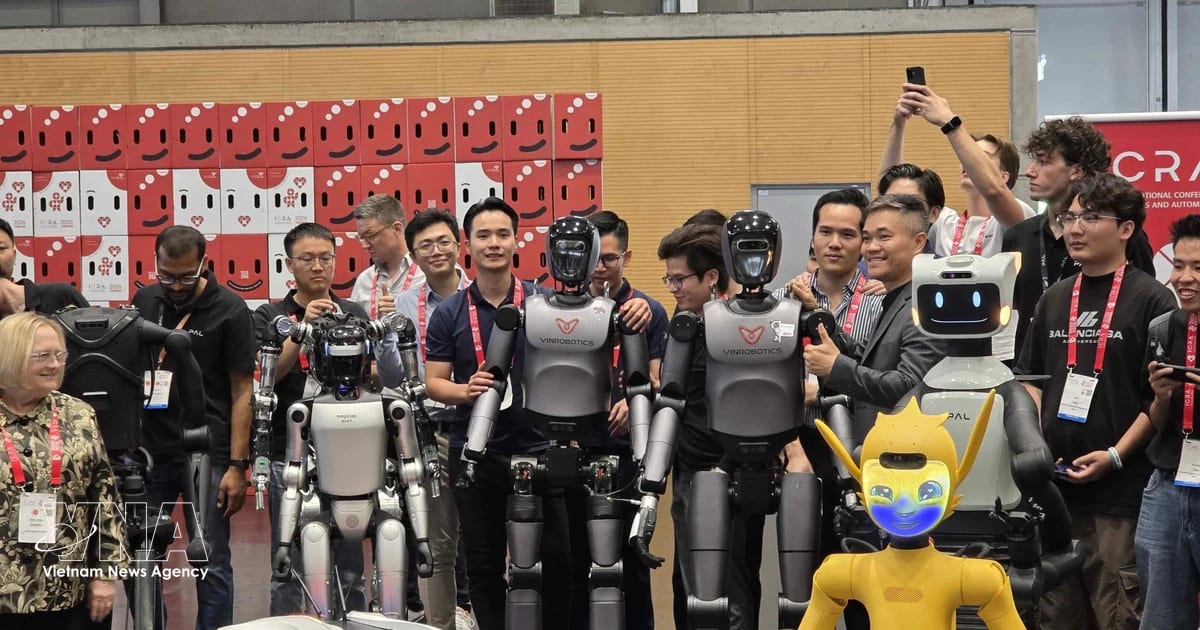
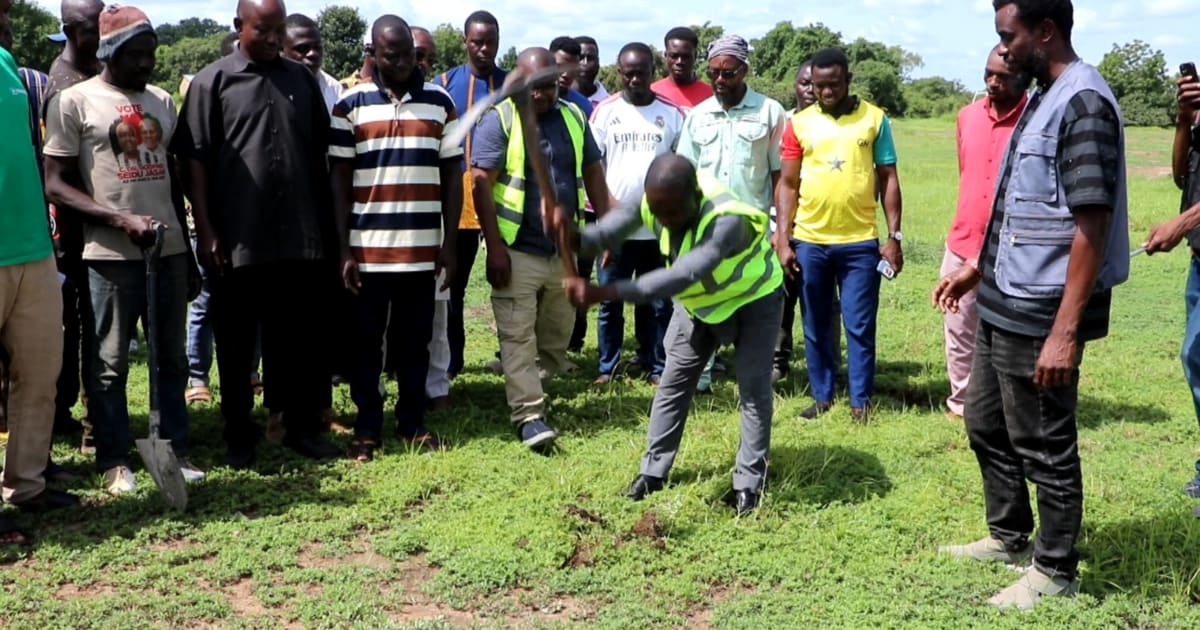
During a tour of the Savannah Region, President John Mahama showcased his commitment to STEM education with hands-on demonstrations for young learners. Students got to work with robotics and conduct experiments, giving them a taste of what modern science education looks like.
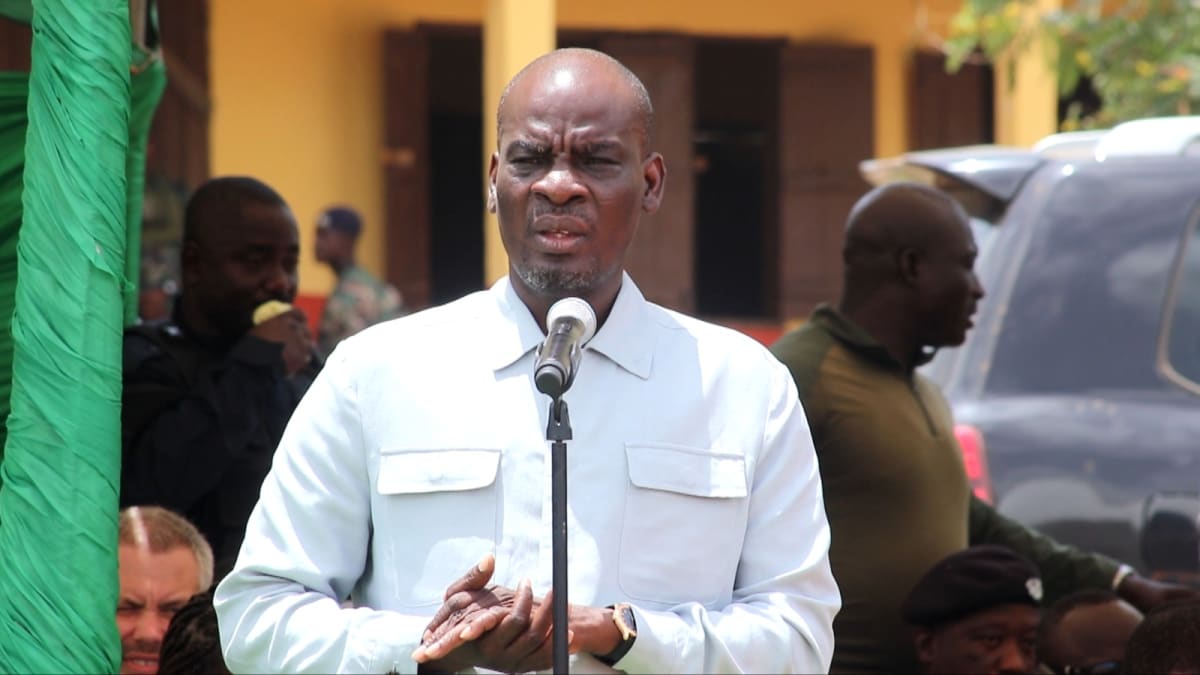
Education Minister Haruna Iddrisu says the goal goes beyond textbooks. The government wants to equip children with skills to think critically and solve real problems in a world that's changing faster than ever.
The foundation for this push started back in 2012, when Mahama and Vice President Jane Naana Opoku-Agyemang commissioned a study to understand why math and science teaching wasn't working. Now they're using those insights to rebuild education from the ground up.
The results are already visible across Ghana. Between 7,000 and 8,000 junior high and basic school teachers have received specialized training from iTEC Global. More than 4,000 junior high schools now have fresh teaching materials designed to make STEM subjects more accessible and engaging.
For the Sawla District specifically, two major announcements bring hope for expanded opportunities. A brand new secondary school funded by the World Bank is coming to the area. Another existing secondary school will get a complete rehabilitation.
These won't be ordinary buildings. Every new school will include fully equipped laboratories and workshops, not just classrooms with desks and chairs.
The Ripple Effect
The government's strategy centers on a simple but powerful insight: strong foundations create lifelong success. By investing heavily in basic education now, Ghana is positioning its young people to compete globally in science and technology fields.
The timing matters too. As artificial intelligence and automation reshape job markets worldwide, countries that prioritize STEM literacy early give their children a fighting chance at future opportunities.
The plan also addresses a practical challenge many Ghanaian families face. By 2027, the government aims to end the double-track system that forces students to alternate schedules due to overcrowding. New schools and rehabilitated facilities will help every student attend on a regular, single-track schedule.
Minister Iddrisu emphasized that this represents more than just new buildings or equipment. It's a fundamental shift in how Ghana thinks about preparing children for their futures, with science, math, engineering, and technology at the center of that vision.
Ghana's children are getting the tools to become curious, creative problem solvers who can shape their country's future.
Based on reporting by Myjoyonline Ghana
This story was written by BrightWire based on verified news reports.
Spread the positivity!
Share this good news with someone who needs it