Ghana Journalist Rides E-Bike Through Traffic to Fight Smog
A climate journalist in Ghana's second-largest city traded his car for an electric bicycle, turning his daily commute through congested streets into a living lesson on climate solutions. His quiet rides are sparking curious conversations across Kumasi.
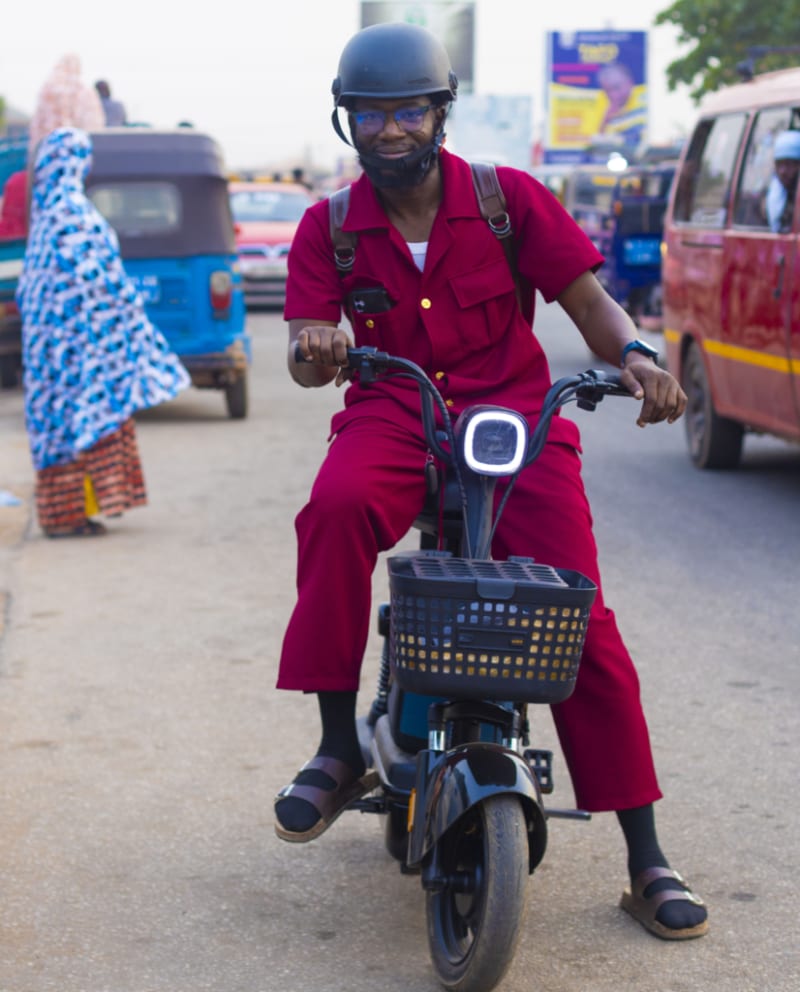
While drivers sit trapped in Kumasi's endless traffic jams, Mahmud Mohammed-Nurudeen glides past on two quiet wheels, breathing easier and moving faster than the honking chaos around him.
The climate journalist decided his reporting on environmental solutions should match how he actually lives. So he swapped fuel-powered transport for an electric bicycle in Ghana's second-largest city, where exhaust fumes hang thick over gridlocked roads.
Mohammed-Nurudeen isn't making a fashion statement. As executive director of the Centre for Climate Change and Food Security, he saw the gap between what people say about climate action and what they actually do each day.
"Climate leadership must be visible," he says. "We cannot continue to speak about solutions while our daily choices contradict the message."
His e-bike has transformed more than just his commute. A single charge lasts up to three days, saving money in a city where rising fuel costs strain household budgets. While others negotiate fluctuating taxi fares, he moves freely through the central business district.
The real surprise came from strangers stopping him on the street. Curious onlookers ask how the bike works, how far it travels, and where they can get one. These impromptu sidewalk conversations have become informal climate classrooms where solutions feel real instead of abstract.
Mohammed-Nurudeen sees enormous potential on university campuses across Ghana and Africa. Thousands of students crowd campuses with cars and motorbikes, creating localized pollution clouds. If even half switched to e-bikes for moving between lectures and dorms, campuses could become living laboratories for climate action.
The timing matters especially for Africa, where most people are under 30. Shaping climate-conscious habits now could ripple across generations.
The Ripple Effect
Mohammed-Nurudeen knows personal choices can't replace government policy reforms. But he insists they still matter, especially when they spark visible change that others can touch and ask about.
His daily rides align with Ghana's climate commitments and echo the Paris Agreement's goals for sustainable cities. Transport remains one of the fastest-growing sources of carbon emissions in developing urban areas, making every alternative count.
In conference halls, climate solutions can sound impossibly complex or expensive. On Kumasi's congested streets, Mohammed-Nurudeen offers a different argument: sometimes the most persuasive climate action happens quietly, persistently, on two wheels that anyone can try.
Based on reporting by Myjoyonline Ghana
This story was written by BrightWire based on verified news reports.
Spread the positivity!
Share this good news with someone who needs it