Ghana Launches Fund to Bring Solar Power to Rural Areas
Ghana just created a new national fund to bring renewable energy to hundreds of communities living without electricity. The initiative will provide solar power, irrigation systems, and clean cooking solutions to ensure no one gets left behind in the country's green transition.
Ghana is turning hope into action for hundreds of communities that have spent years in the dark. The government just launched a Renewable Energy and Green Transition Fund in 2025 to bring solar power, modern irrigation, and electricity to small communities across the country.
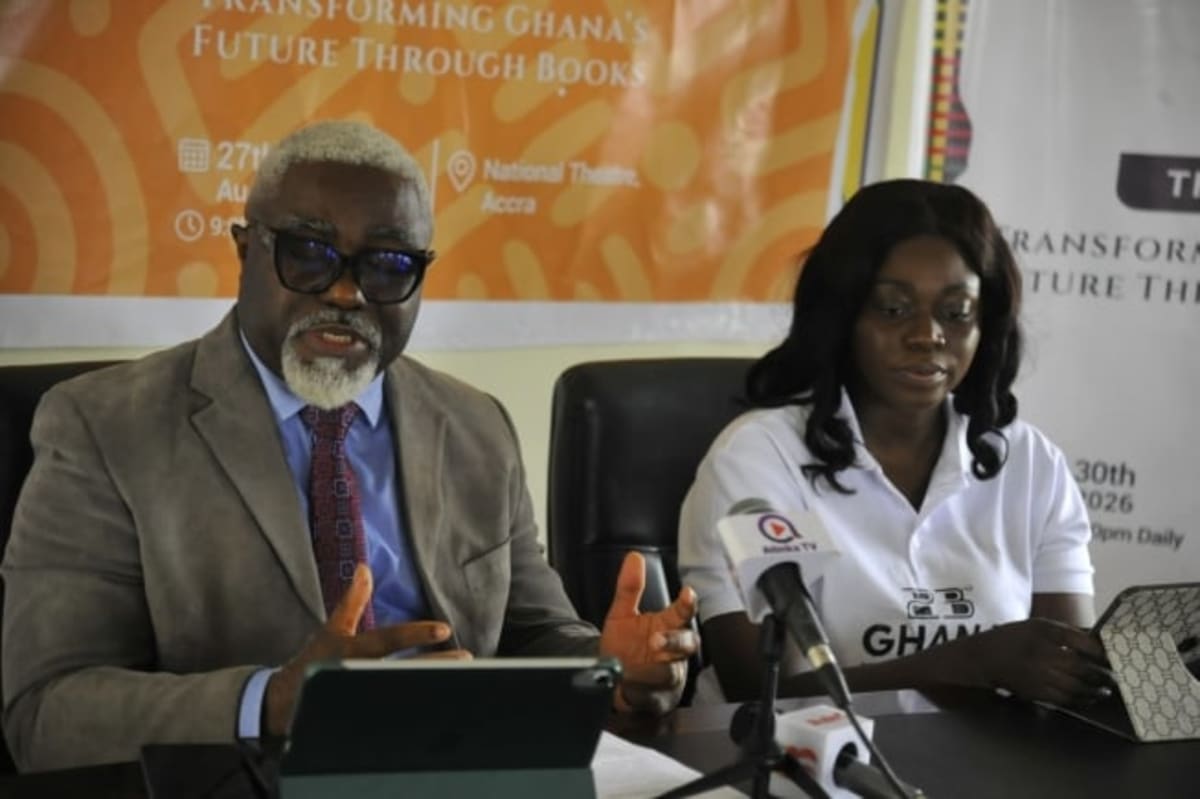
Deputy Minister of Energy and Green Transition Richard Gyan-Mensah announced the fund at an international conference in Accra. The money will upgrade mini-grid systems and install solar-powered infrastructure in areas that currently have no access to reliable electricity.
The fund addresses a glaring gap in Ghana's energy landscape. While 90 percent of Ghanaians have access to electricity, less than half have access to clean cooking methods that don't harm their health or the environment.
The government is partnering with the Energy Commission to change that reality. The initiative will connect remote communities to mini-grids and provide solar-powered irrigation projects that can transform farming and improve food security.
To show its commitment, Ghana even renamed its Ministry of Energy and Petroleum to the Ministry of Energy and Green Transition. The message is clear: this isn't just policy talk, it's a national priority.
The country already has experience with successful energy transitions. Fifteen years ago, Ghana decided to use its natural gas for power generation instead of selling it all abroad. Today, gas and hydropower form the backbone of the nation's electricity supply.
The Ripple Effect
This fund could reshape life for thousands of families in rural Ghana. Solar-powered irrigation means farmers can grow more food and earn better incomes. Reliable electricity means children can study after dark, small businesses can extend their hours, and health clinics can refrigerate vaccines.
The timing matters beyond Ghana's borders too. Conference organizer Dr. Abdul-Gafaru Abdulai pointed out the paradox facing African nations: they contribute the least to climate change but suffer its worst effects. By leapfrogging straight to renewable energy, Ghana is showing how developing nations can build modern infrastructure without repeating the fossil fuel mistakes of wealthier countries.
The ministry is already installing solar-powered streetlights nationwide as part of the broader push. Community leaders are being encouraged to work directly with the Ministry when electricity issues arise, creating a direct line between rural needs and government action.
Ghana is proving that green transitions can lift people up instead of leaving them behind.
More Images


Based on reporting by AllAfrica - Environment
This story was written by BrightWire based on verified news reports.
Spread the positivity!
Share this good news with someone who needs it