Nigeria Cuts Power Grid Losses to 7%, Saves Billions
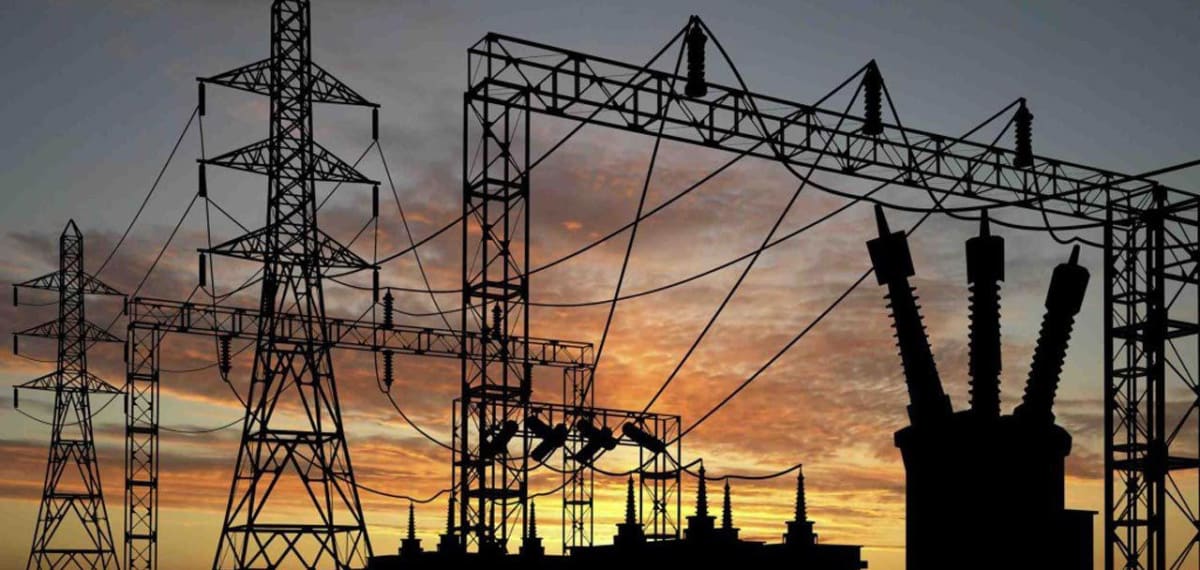
Nigeria's power grid just slashed electricity losses by nearly 30%, saving the country up to $5 million monthly. The breakthrough marks a major step toward reliable electricity for millions of Nigerians.
Nigeria's electricity grid is finally getting smarter, and the numbers prove it.
The Nigerian Independent System Operator (NISO) has reduced transmission losses from nearly 10% down to just 7.05% in its first year of operation. Those percentage points translate to real money: between $3 million and $5 million saved every single month that can now flow back into improving the country's struggling power sector.
Managing Director Abdu Mohammed Bello announced the milestone at NISO's first anniversary celebration in Abuja. He credits the win to better coordination between power generators, transmission operators, and distribution companies, plus stricter monitoring of how electricity moves through the grid.
The agency didn't stop there. NISO is now requiring power plants to use "free governor mode," a technical setting that lets generators automatically adjust when the grid wobbles. Think of it like cruise control for power plants: they speed up or slow down instantly to keep electricity flowing steadily to homes and businesses.
Most generating companies have already complied, and the results show in more stable power delivery across Nigeria. NISO plans enforcement action against the few holdouts still resisting the change.
The next phase involves installing Internet of Things sensors across the entire electricity network. Distribution companies must now place smart meters on major feeders, creating real-time visibility of where every kilowatt goes from the moment it's generated until it powers someone's home.
The Ripple Effect
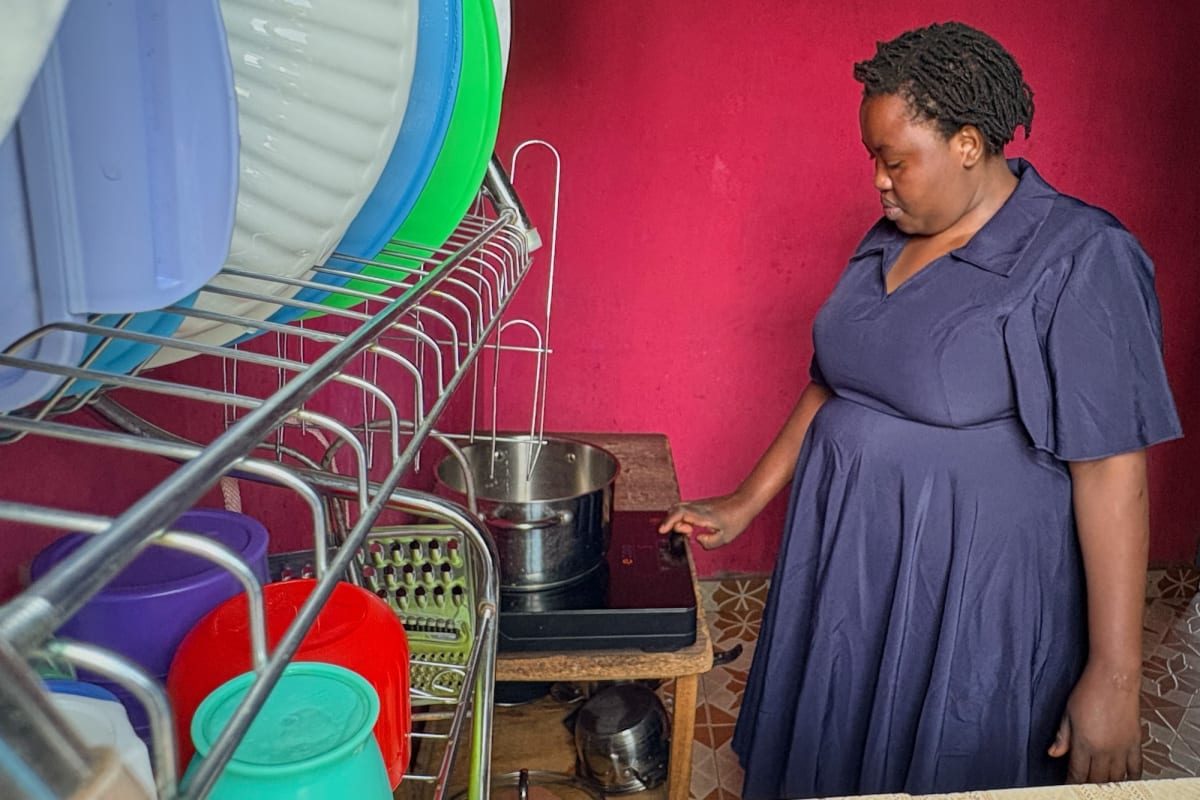
For everyday Nigerians who've endured decades of blackouts and unreliable power, these technical improvements could finally mean consistent electricity. Businesses won't lose inventory to sudden outages. Students can study after dark. Hospitals can keep vaccines cold and operating rooms lit.
The reforms also build trust in Nigeria's electricity market. When everyone can see exactly how much power flows through the system, it becomes harder to lose track of billions in revenue. Better data means fairer billing, faster problem-solving, and accountability throughout the entire chain from generator to customer.
NISO was created just last year when Nigeria split up its old transmission company to separate system operations from infrastructure management. The agency now enforces grid rules and runs the electricity market, giving it the authority to push through reforms that stalled for years under the old structure.
The team isn't declaring victory yet: they're targeting 5% to 6% transmission losses as the next benchmark. But for a country where reliable electricity has seemed like an impossible dream, today's progress lights the way forward.
Based on reporting by Vanguard Nigeria
This story was written by BrightWire based on verified news reports.
Spread the positivity!
Share this good news with someone who needs it