Ghana Leads Global Push for Slavery Reparations Financing
Ghana is transforming the conversation around slavery reparations from simple compensation into a comprehensive economic framework involving development financing, cultural restitution, and institutional accountability. The West African nation is leveraging its role as the African Union's Champion for Reparations to build international cooperation and explore how financial systems can support historical repair.
Ghana is pioneering a bold new approach to addressing the legacy of the transatlantic slave trade, one that goes far beyond writing checks.
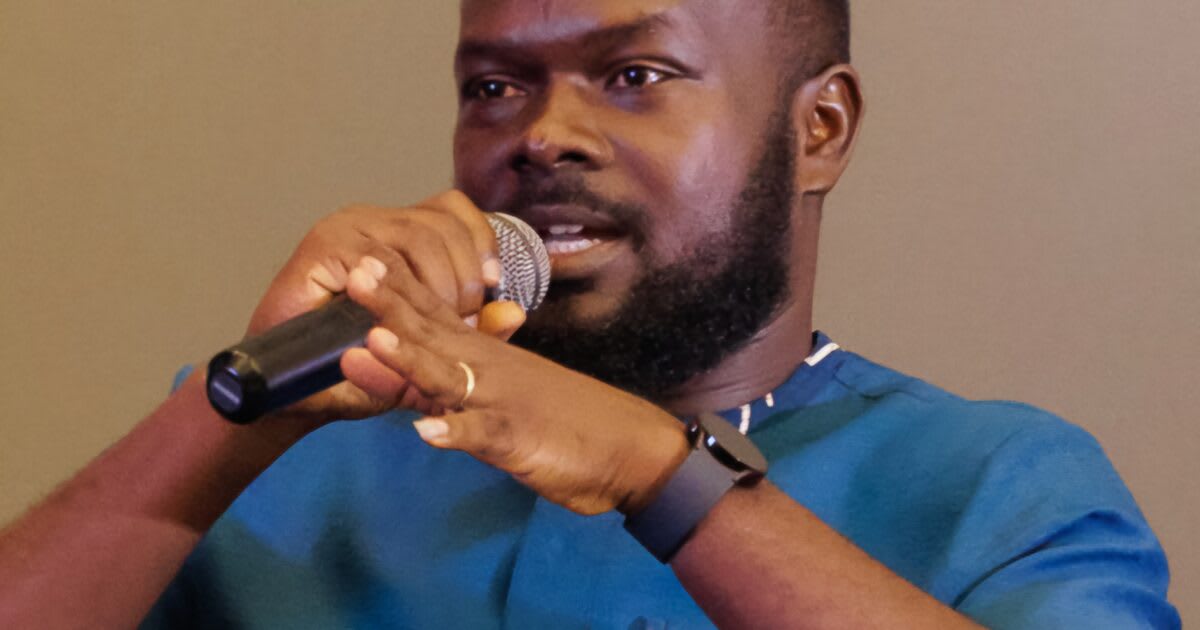
The country's Presidential Special Envoy for Reparations, Ekwow Spio-Garbrah, revealed that Ghana is reframing reparations as a wide-ranging economic issue. This includes development financing, cultural restitution, debt relief, and examining which modern institutions profited from historical exploitation.
The shift comes as President John Dramani Mahama serves as the African Union's Champion for Reparations. Ghana helped advance an international resolution on reparatory justice at the United Nations, giving the country a powerful platform for coordinating this work across continents.
Spio-Garbrah and his team recently attended the IMF and World Bank Spring Meetings to discuss what they call "reparations financing." This emerging field examines how banking systems, lending institutions, and investment structures can support repair and development in affected communities.
"The issue is not limited to a payment of money," Spio-Garbrah explained. "It involves how financial systems can support repair and development."
The restitution of stolen cultural property has become a major focus. A museum in the Netherlands alone has identified more than 1,200 Ghanaian artefacts in its collection, highlighting the massive scale of cultural theft during colonial times.
Ghana is also building partnerships across the Caribbean and Latin America with countries dealing with similar historical consequences. These international engagements are creating a unified voice for communities affected by slavery and colonial exploitation.
The Ripple Effect
The work extends beyond governments to include businesses, financial institutions, insurance companies, universities, and religious organizations that historically supported the slave trade. Shipping companies and insurers that profited from human trafficking are now part of research into economic dimensions of repair.
The African Union has designated a 10-year period for reparations work, giving stakeholders time to examine historical, legal, economic, and social dimensions. Ghana's appointment of a Presidential Special Envoy has created a dedicated institutional structure that other nations are watching closely.
Ghana is expected to participate in a United Nations General Assembly side event this month where restitution will feature prominently. The country's leadership is demonstrating that addressing historical wrongs requires creativity, coalition-building, and a willingness to reimagine what justice can look like.
By positioning reparations as an economic and developmental issue rather than purely symbolic compensation, Ghana is opening pathways for meaningful change that could reshape international finance and cultural heritage for generations to come.
More Images




Based on reporting by Google News - Ghana Development
This story was written by BrightWire based on verified news reports.
Spread the positivity!
Share this good news with someone who needs it