Ghana Mobilizes $4.4B to Bring Power to 99% by 2030
Ghana is racing toward near-universal electricity access with a $4.4 billion clean energy plan that could light up millions of homes by 2030. The West African nation has already completed eight mini-grids and has 35 more under construction in its first year.
Ghana is proving that ambitious climate goals and universal energy access can go hand in hand, mobilizing $4.4 billion to bring electricity to 99% of its population by 2030.
The country currently serves 89.1% of its people with power. Now it's completing 13 of 16 key energy reforms under its National Energy Compact, part of the continent-wide Mission 300 initiative to connect 300 million Africans to electricity this decade.
In just one year, Ghana has already built eight mini-grids with 35 more under construction. The progress came into focus during a two-day workshop in Accra this July, where over 70 representatives from government, development banks, private companies and community groups mapped out the path forward.
The $4.4 billion investment pipeline draws heavily on private sector support, with $2.6 billion expected from businesses ready to bet on Ghana's energy future. The funds will support everything from last-mile rural connections to major transmission upgrades and utility-scale solar farms.
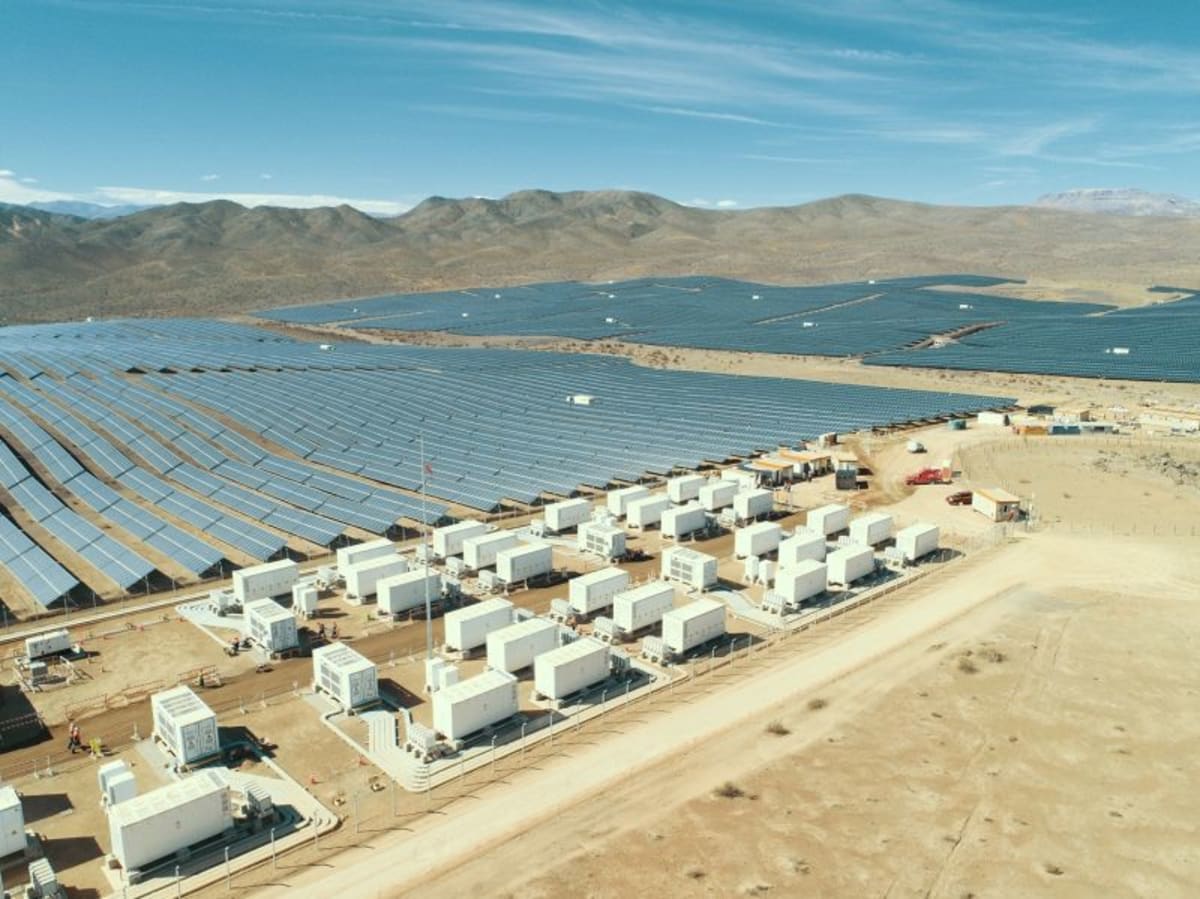
Ghana's strategy combines multiple approaches: expanding the existing grid, deploying mini-grids in remote areas, distributing solar home systems, and investing in targeted electrification for underserved communities. The country is also strengthening regional electricity trade through the West African Power Pool, including new interconnections with Côte d'Ivoire, Mali and Burkina Faso.
"The Government remains fully committed to removing administrative bottlenecks and working with all partners to translate commitments into projects that deliver tangible results to our citizens," said Richard Gyan-Mensah, Deputy Minister for Energy and Green Transition. Three of the 16 reforms face delays related to parliamentary approvals and budget processes, but officials have committed to addressing these obstacles.
The Ripple Effect
Ghana's success could light the way for other African nations pursuing similar goals. The Mission 300 initiative, led by the African Development Bank and World Bank Group, aims to prove that rapid, large-scale electrification is possible with the right mix of public commitment, private investment and renewable technology.
When families gain electricity access for the first time, children can study after dark, health clinics can refrigerate medicines, and small businesses can extend their hours. Ghana's model of combining grid expansion with distributed renewable energy offers a blueprint for reaching the hardest-to-serve communities.
The workshop participants established clear accountability measures, including regular reporting requirements and escalation procedures for delays. Development partners and private investors reaffirmed their commitment to seeing the compact through.
By 2030, nearly every home in Ghana could have access to reliable, increasingly clean electricity.
More Images

Based on reporting by Google: clean energy investment
This story was written by BrightWire based on verified news reports.
Spread the positivity!
Share this good news with someone who needs it