Ghana Partners China to Create 500,000 Jobs in Green Zone
Ghana just signed a deal with a leading Chinese design institute to build a cutting-edge industrial corridor that could create half a million jobs. The ambitious project aims to transform the country's agricultural heartland into Africa's first net-zero green economic zone.
Ghana is turning one of its most promising agricultural regions into a modern industrial powerhouse that could employ 500,000 people while protecting the planet.
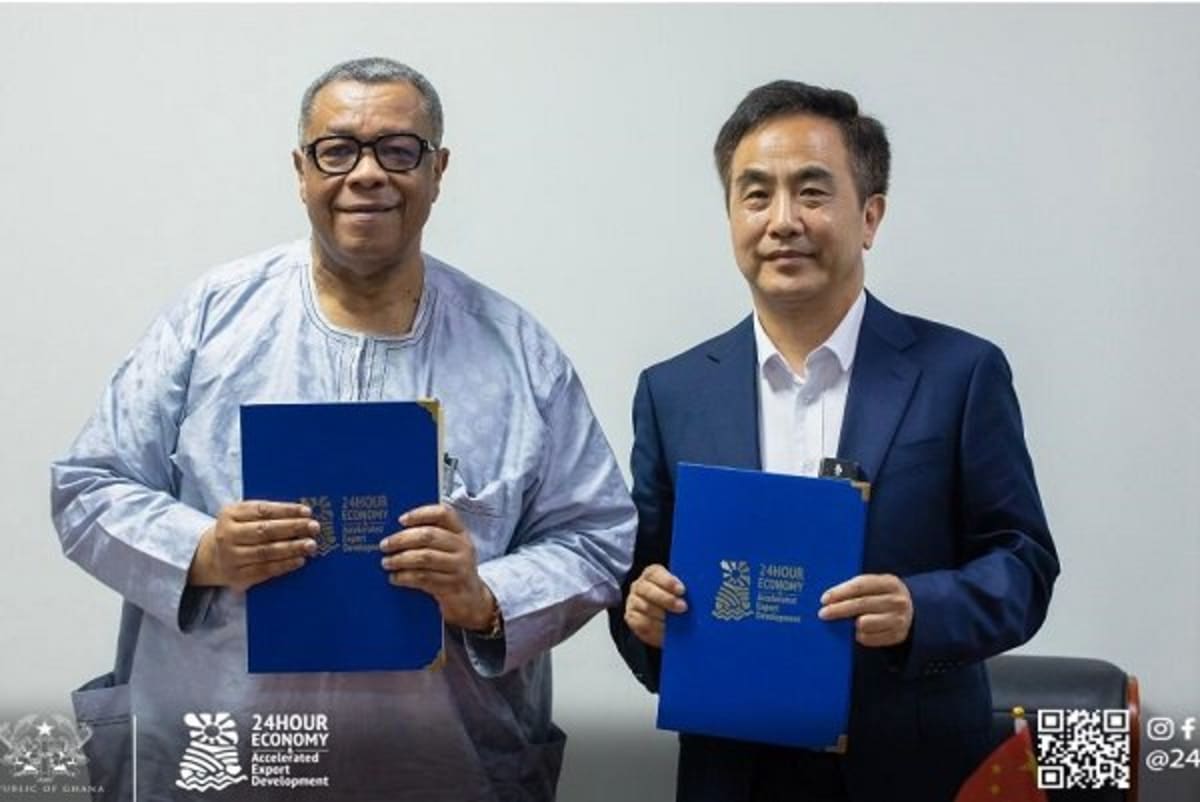
The government signed an agreement Thursday with China's Hunan Architectural Design Institute Group to develop the Volta Economic Corridor, a massive infrastructure project stretching from the coastal city of Tema all the way north to Tamale. The corridor will link over two million hectares of farmland with new industrial parks, renewable energy facilities, and transportation networks.
Presidential Adviser Augustus Goosie Tanoh says Ghana is following the playbook that transformed China's Hunan province from farmland into a global engineering hub. Just three months after meeting in Changsha, China, both sides are already moving forward with pilot projects.
The partnership goes beyond construction. Ghanaian engineers and planners will train alongside their Chinese counterparts, learning the technical skills needed to design industrial parks, water systems, sewage treatment facilities, and transportation networks. This knowledge transfer ensures Ghanaians can lead future development projects themselves.
The corridor sits at the heart of Ghana's 24-Hour Economy Programme, which aims to make the country more competitive in global trade. Renewable energy projects along the route are expected to slash electricity costs to below seven cents per kilowatt hour, making it cheaper for factories to operate around the clock.
The African Development Bank has already committed funding to study the transportation components. Both countries agreed to start with two industrial parks and three agricultural parks as testing grounds before expanding the model across the entire corridor.
The Ripple Effect
This project could reshape how West Africa approaches economic development. By integrating renewable energy from the start, Ghana is proving that emerging economies don't have to choose between jobs and environmental protection. The net-zero design means the corridor will produce as much clean energy as it consumes.
The focus on agricultural processing also addresses a major challenge across Africa: most countries export raw crops instead of finished products, missing out on higher profits. By building processing facilities directly in farming regions, Ghana can add more value to its agricultural output while creating jobs in rural areas that desperately need them.
Chairman He Liu of HADI Group told attendees the partnership builds on existing trust and shared networks between the two countries. His company helped design the infrastructure that modernized Hunan, and he expressed confidence that the same careful planning approach will work for Ghana.
The first conceptual designs begin immediately, marking the start of what could become a model for sustainable industrial development across the African continent.
More Images

Based on reporting by Google News - Ghana Development
This story was written by BrightWire based on verified news reports.
Spread the positivity!
Share this good news with someone who needs it