Ghana Food Plan to Create 2.6M Jobs by 2030
Ghana just launched a partnership that could transform its food system and create 2.6 million jobs over the next four years. The initiative brings together government, international partners, and private investors to strengthen agriculture and feed nearly three million people.
Ghana is betting big on agriculture, and the payoff could change millions of lives by the end of the decade.
The Ghana AgriConnect Compact launched this week as a partnership between Ghana's government, the International Fund for Agricultural Development, the World Bank, and other development partners. The goal is ambitious but clear: strengthen the country's food systems, create jobs, and improve how Ghana grows and sells its crops.
Agriculture already powers much of Ghana's economy. The sector contributes 22% of the country's GDP, generates nearly a quarter of export earnings, and employs 38% of the workforce. But farmers and rural businesses still struggle with limited financing, unpredictable weather, low productivity, and weak connections to buyers.
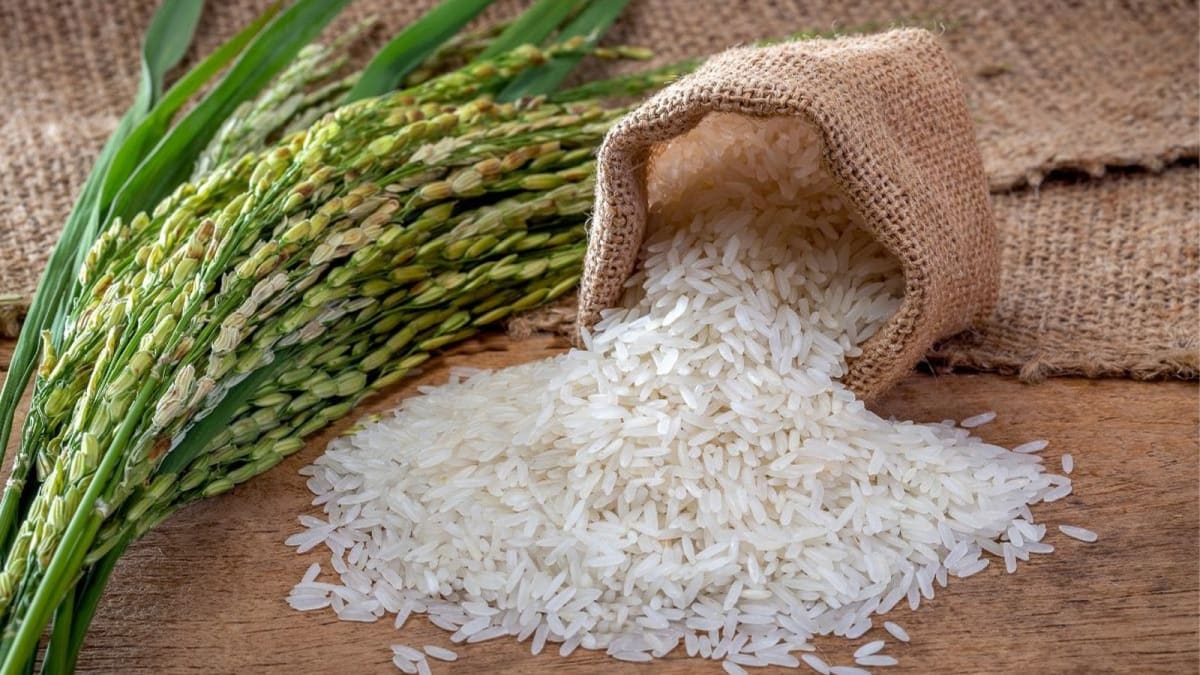
The new Compact targets value chains that matter most to everyday Ghanaians: rice, maize, poultry, cocoa, oil palm, fisheries, and tree crops. By focusing investment on these areas, the program aims to support everyone from farmers planting seeds to businesses processing and selling finished products.
The numbers tell the story of what's possible. By 2030, the initiative plans to improve food security for nearly three million people while creating more than 2.6 million jobs across farming, food processing, and marketing. Those aren't just statistics but real opportunities for families to build better futures.
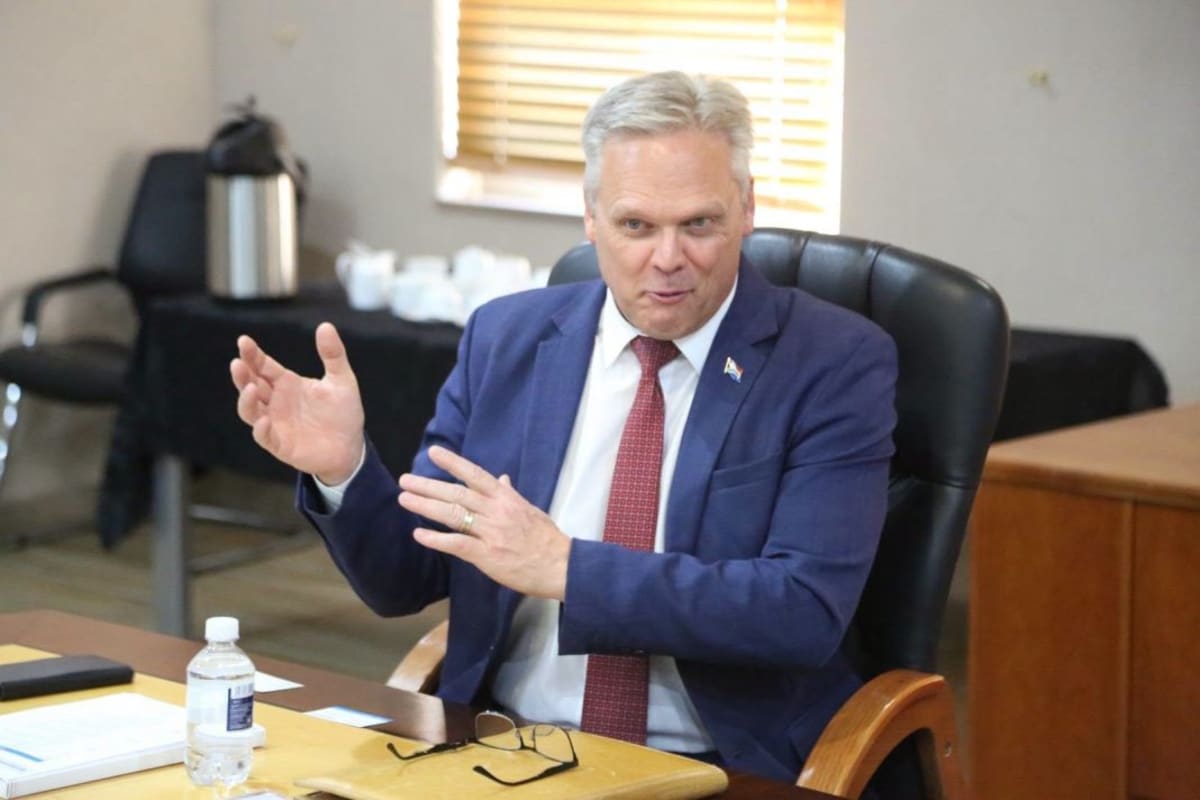
"Through AgriConnect, IFAD is deepening its commitment to end rural poverty and build resilient, inclusive food systems in Ghana," said Lakshmi Moola, IFAD Country Director for Ghana. "Together with partners, we are scaling investments that deliver jobs, opportunity and lasting impact for rural communities."
The Ripple Effect
When agriculture grows stronger, entire communities benefit. Farmers earn more reliable incomes. Processing facilities create jobs in rural areas where work can be scarce. Better food production means more affordable prices at markets and improved nutrition for families.
The Compact builds on programs already making progress in Ghana. IFAD currently supports initiatives helping farmers increase productivity, adapt to climate challenges, and reach new markets. The new partnership expands that work by bringing in more partners, more funding, and more ambitious targets.
For Ghana's milling and feed industries, the focus on rice, maize, and poultry could strengthen local supply chains and reduce dependence on imports. More investment in processing and value addition means more of the economic benefit stays in Ghana rather than flowing overseas.
Ghana is showing what's possible when governments, international organizations, and private investors work together on solutions that matter.
Based on reporting by Google News - Ghana Development
This story was written by BrightWire based on verified news reports.
Spread the positivity!
Share this good news with someone who needs it