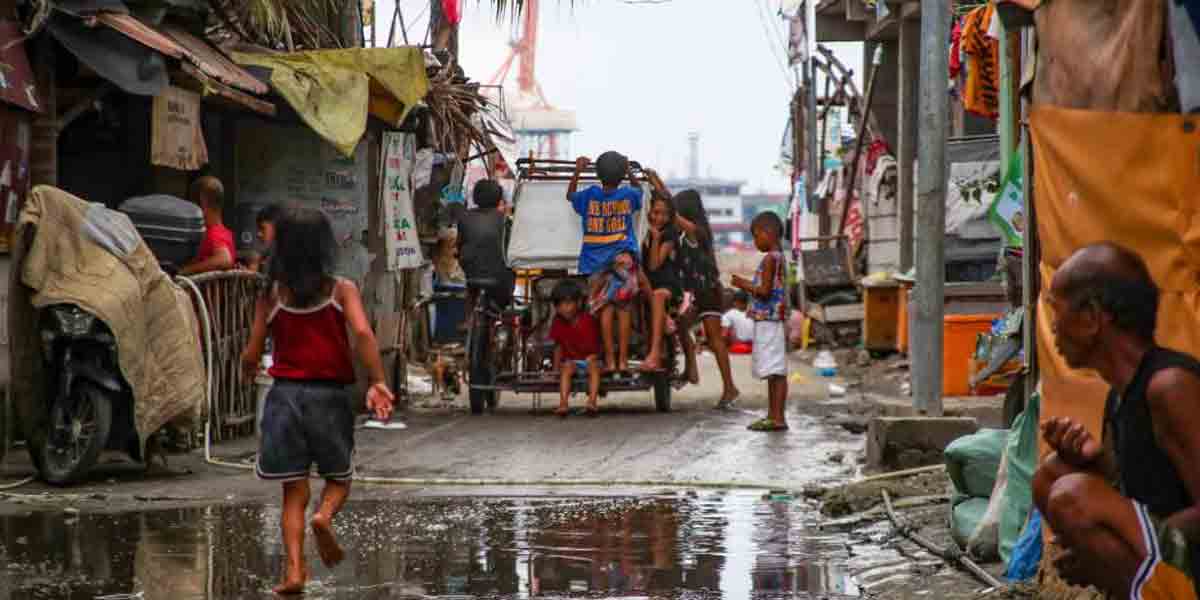
Philippines Could End Hunger for $36B a Year
A new government proposal could eliminate hunger across the Philippines in just two years by expanding a food assistance program that's already helping 600,000 families. The plan would triple support while creating stable markets for the country's poorest farmers.
The Philippines is closer than ever to achieving zero hunger, and government officials say it could happen within two to three years with the right investment.
The National Anti-Poverty Commission is pushing to expand the Walang Gutom Program, which provides monthly electronic food credits to families struggling to put meals on the table. Right now, 600,000 households receive about PHP 3,000 (roughly $52) each month loaded onto special cards they can use only for food at approved stores.
NAPC Secretary Lope Santos III says scaling the program to reach all one million food-poor families would cost PHP 36 billion annually, about $625 million. That might sound like a lot, but it's a clear path to ending hunger in a nation of 115 million people.
The program launched as a small pilot in Metro Manila in 2023 and quickly proved its worth. President Marcos elevated it to flagship status just months later, and lawmakers are now working to make it permanent through legislation.
What makes this approach special is how it helps both ends of the food chain. Families get nutritious meals while local farmers, fisherfolk, and food processors gain reliable customers. The electronic cards can only buy food from accredited local suppliers, creating steady demand for homegrown produce.
The Ripple Effect
Santos points out a painful irony: the people who grow the Philippines' food are often the hungriest and poorest themselves. Farmers, fisherfolk, and indigenous communities consistently rank among the nation's most impoverished groups.
By funneling PHP 36 billion annually through local food suppliers, the program creates a dual solution. Hungry families eat better while agricultural workers earn more predictable incomes. It's economic stimulus that targets the communities that need it most.
The program also ties into school feeding initiatives, building a network of guaranteed buyers for small farmers who previously struggled with unreliable markets. When combined with proposed local poverty reduction plans that give communities more control over anti-poverty efforts, the impact could multiply.
Santos believes full devolution of poverty programs to local government units will strengthen results because they understand their communities best. Right now, coordination between national agencies and local governments remains spotty, but clearer local ownership could change that.
The Asian Development Bank has already backed the initiative with loans supplementing the current PHP 1.9 billion budget. With congressional support growing and proven results from the pilot phase, the path to zero hunger looks increasingly achievable.
Within two to three years, no Filipino family would need to go hungry.
More Images
Based on reporting by Google: poverty reduction program
This story was written by BrightWire based on verified news reports.
Spread the positivity!
Share this good news with someone who needs it