Ghana Partners DTI to Train 40,000 Youth in Tech Skills
Ghana's national education service just partnered with a tech training nonprofit to prepare thousands of young people for real jobs. The collaboration tackles a major problem: graduates who can't find work because they lack practical skills employers need.
Ghana is closing the gap between education and employment with a groundbreaking partnership that puts young people first.
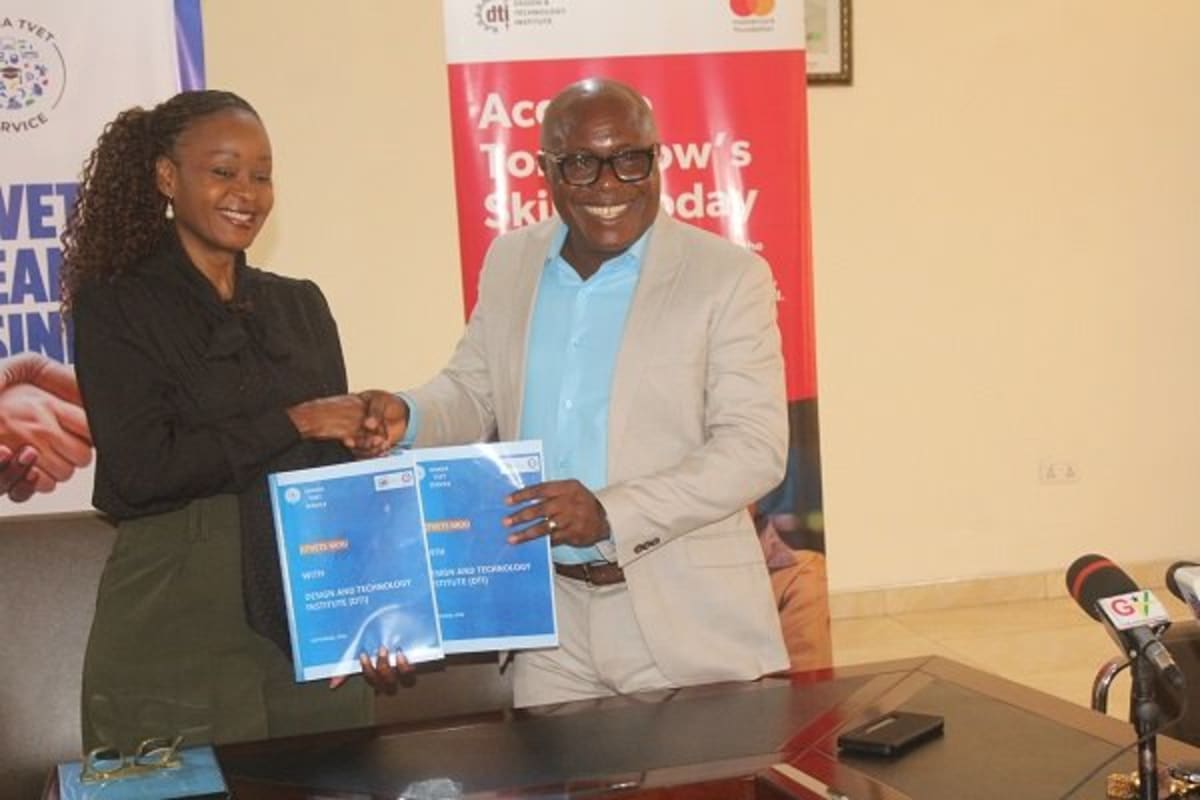
The Ghana TVET Service, which oversees 261 vocational schools nationwide, signed an agreement with the Design & Technology Institute to transform how the country prepares youth for the workforce. Together, they're building a system where students learn the practical skills employers actually need, not just theory from textbooks.
The problem they're solving is urgent. Too many Ghanaian graduates spend years looking for work after finishing school because their training doesn't match what industries require. Professor Ernest Kofi Davis Adzroe, who leads Ghana TVET Service, says the partnership will first focus on updating teacher skills so they can teach cutting-edge technologies and modern workplace practices.
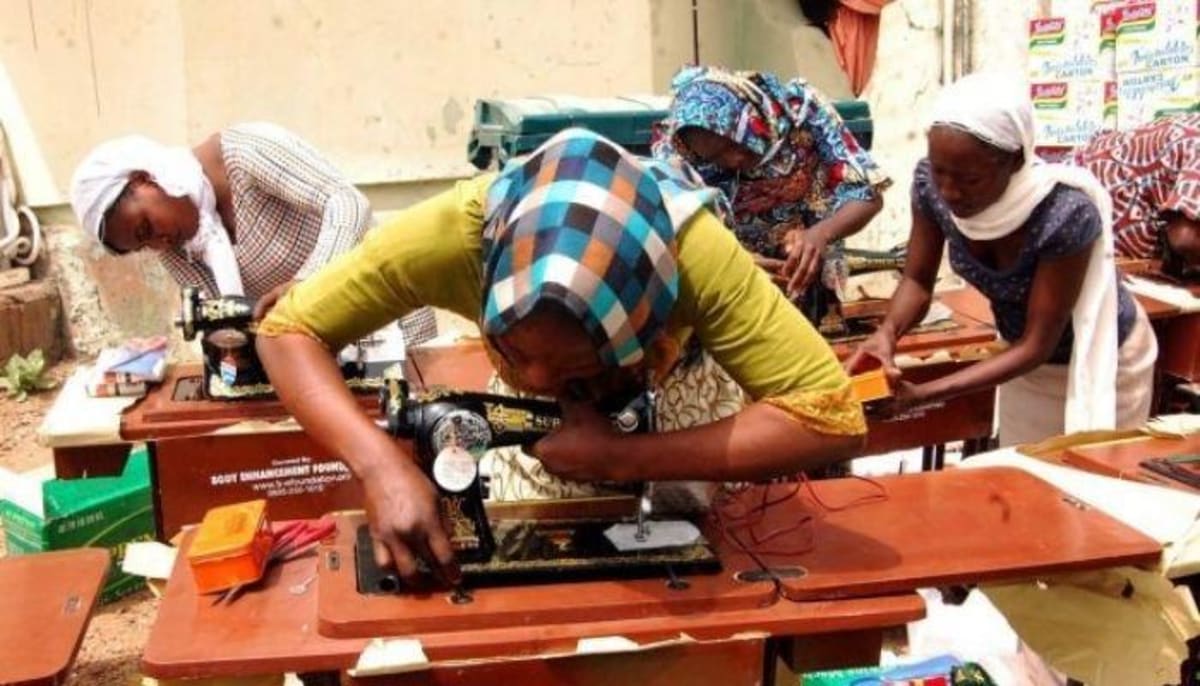
DTI brings serious credentials to the table. The nonprofit training center has already prepared more than 40,000 young people and master craftsmen since 2020, including 15,000 from the informal economy. This year alone, nearly 5,000 small business owners and craftspeople graduated from DTI programs in four major cities.
What makes DTI special is their global standard approach. Their programs are accredited by American and international organizations, ensuring Ghanaian workers can compete anywhere in the world. They teach technical skills alongside workplace values like safety, teamwork, and accountability.
Constance Swaniker, DTI's founder, says the partnership addresses real system gaps: teachers need better training, students need more hands-on workplace experience, and schools need stronger connections to actual employers. She's quick to note these aren't failures but natural growing pains as the system expands to serve more young people than ever before.
The Ripple Effect
The collaboration creates pathways beyond just job placement. Students will get real workplace experience through apprenticeships and dual training programs where they learn at school and on the job simultaneously. The partners will also strengthen support for graduates who want to start their own businesses, not just work for others.
Ghana's push to industrialize depends on having workers who can handle modern manufacturing, technology, and service industries. By aligning training with what employers need today and anticipating tomorrow's demands, the partnership helps young people build careers while boosting the nation's economic competitiveness.
This model of connecting education directly to employment could inspire similar partnerships across Africa. When training institutions and government work together with clear goals and global standards, young people get the tools they need to build prosperous futures.
Ghana is proving that closing the skills gap isn't just possible but practical when the right partners commit to real solutions.
More Images


Based on reporting by Google News - Ghana Development
This story was written by BrightWire based on verified news reports.
Spread the positivity!
Share this good news with someone who needs it