Ghana Pays School Feeding Caterers for 74-Day Term
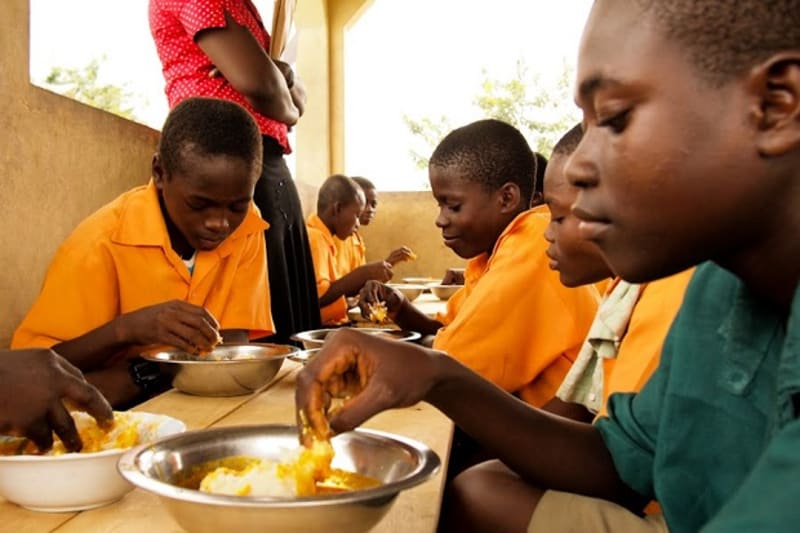
Ghana's government has paid caterers who feed schoolchildren across all 16 regions for the entire first term. Over 74 days of meals were delivered to hungry students at two cedis per child per day.
Thousands of caterers serving Ghana's schoolchildren just received their payment on time, ensuring the meals that keep students fueled and focused will continue without interruption.
The Ghana School Feeding Programme paid caterers across all 16 regions for 74 cooking days during the 2025/2026 academic year's first term. Each meal cost two Ghana cedis per child, and the government released funds through the Ministry of Gender, Children and Social Protection.
The payment covers every school day from September 2 through the end of the term. Caterers received amounts based on how many days they actually fed students, ensuring accountability while supporting the workers who make this program possible.
School feeding programs like this one transform education by removing a massive barrier to learning. When children arrive at school hungry, they can't concentrate. When they know a warm meal awaits, attendance climbs and test scores follow.
The program reminded caterers with payment concerns to contact their Regional Coordinators immediately for help. This commitment to quick problem-solving shows the government's dedication to keeping the program running smoothly.
The Ripple Effect
Behind every meal served is a caterer who showed up, cooked, and cared. These workers often use their own resources while waiting for payments, making timely funding critical to the program's survival.
When caterers get paid on schedule, they can buy supplies without dipping into personal savings. They can plan ahead, negotiate better prices with suppliers, and focus on meal quality instead of worrying about covering costs.
The program's success creates jobs in local communities while keeping children in classrooms. Parents who might otherwise keep kids home to work can send them to school knowing they'll eat. Teachers can teach students who aren't distracted by empty stomachs.
Ghana's School Feeding Programme serves as a model for other nations seeking to improve both nutrition and education outcomes. The dual benefit of feeding children while supporting local employment shows how smart social programs create multiple wins.
This timely payment proves that consistent investment in children's wellbeing isn't just possible, it's happening right now across Ghana.
Based on reporting by Myjoyonline Ghana
This story was written by BrightWire based on verified news reports.
Spread the positivity!
Share this good news with someone who needs it