Ghana Plans $500M Push to End Child Marriage by 2029
Ghana's government just announced a bold four-year strategy to transform the lives of children through health, education, and protection initiatives. Vice President Jane Naana Opoku-Agyemang calls children "the cornerstone of Ghana's future" as the nation commits to ending child marriage and expanding social safety nets.
Ghana is betting big on its youngest citizens with a comprehensive plan that could reshape millions of childhoods by 2030.
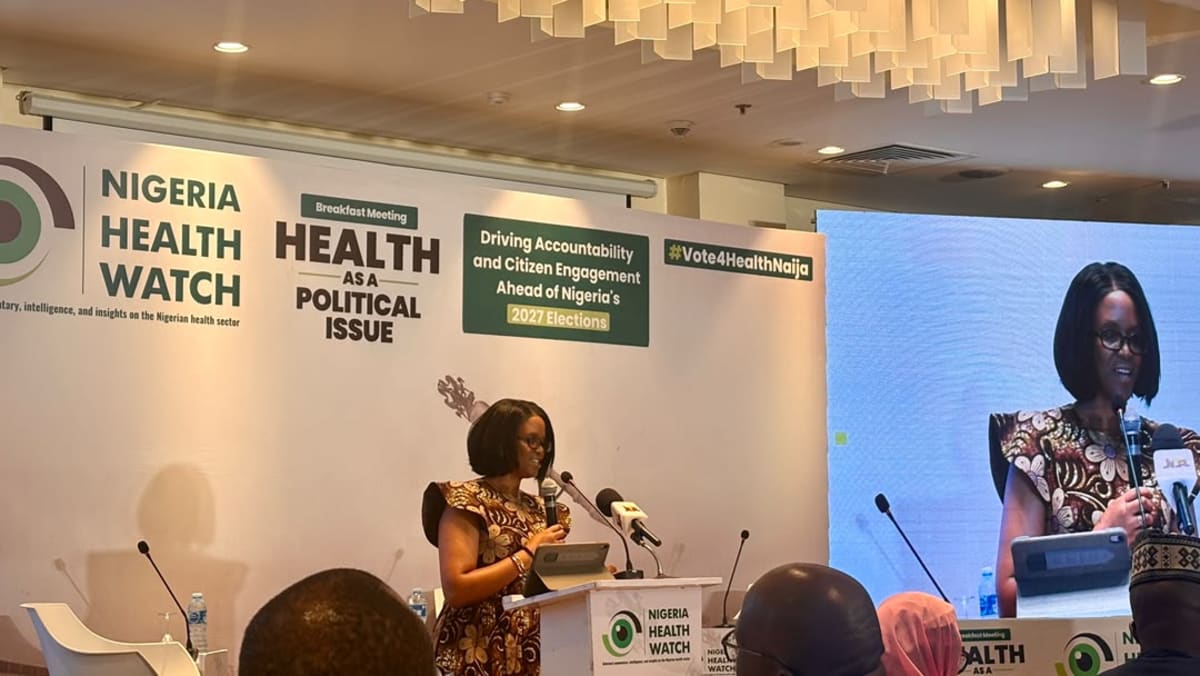
The National Development Planning Commission wrapped up a major strategic retreat in Accra this week, bringing together government ministers, local leaders, and UNICEF to tackle seven critical challenges facing Ghana's children. Vice President Professor Jane Naana Opoku-Agyemang delivered a powerful message at the closing ceremony: children's health, education, and protection aren't optional luxuries but fundamental rights.
The timing couldn't be better. Ghana's economy grew 5.7 percent in 2025, and now the government wants to ensure that prosperity reaches every child in the country.
The plan targets everything from reducing infant deaths to ending open defecation and child marriage. It also promises universal birth registration through new digital systems and expanded social protection programs for children under five through Ghana's LEAP initiative.
One standout feature is the "Network of Practice" model, which connects health services, nutrition programs, and social protection into one unified safety net. The government is specifically focusing on adolescent girls as a catalyst for broader change across communities.
Why This Inspires
This isn't just planning on paper. The strategic outcomes from the retreat will be built directly into Ghana's national budget and policy cycle, giving these commitments real financial teeth.
"We are not just identifying problems; we are committing to solutions," said Osama Makkawi Khogali, UNICEF's Representative in Ghana. The partnership focuses on what he calls "high-return investments" that will benefit multiple generations of Ghanaians.
The approach tackles interconnected issues together rather than in isolation. Improving foundational literacy and numeracy goes hand in hand with reducing the number of young people not in education, employment, or training. Ending child marriage connects directly to better health outcomes for adolescent girls.
Vice President Opoku-Agyemang challenged everyone from private businesses to religious organizations to put children's welfare first. She also directed the planning commission to track implementation closely, ensuring promises turn into progress.
With economic growth creating new opportunities and political will aligning behind children's rights, Ghana is positioning itself as a model for child-centered development in West Africa and beyond.
More Images

Based on reporting by Google News - Ghana Development
This story was written by BrightWire based on verified news reports.
Spread the positivity!
Share this good news with someone who needs it