Ghana Plans to Build Batteries, Not Just Mine Lithium
Ghana is refusing to export its lithium as raw material, instead building a full battery manufacturing industry at home. The West African nation aims to capture the entire value chain from mining to producing batteries for electric vehicles.
Ghana just announced it won't settle for being another country that digs up resources and ships them away for others to profit from.
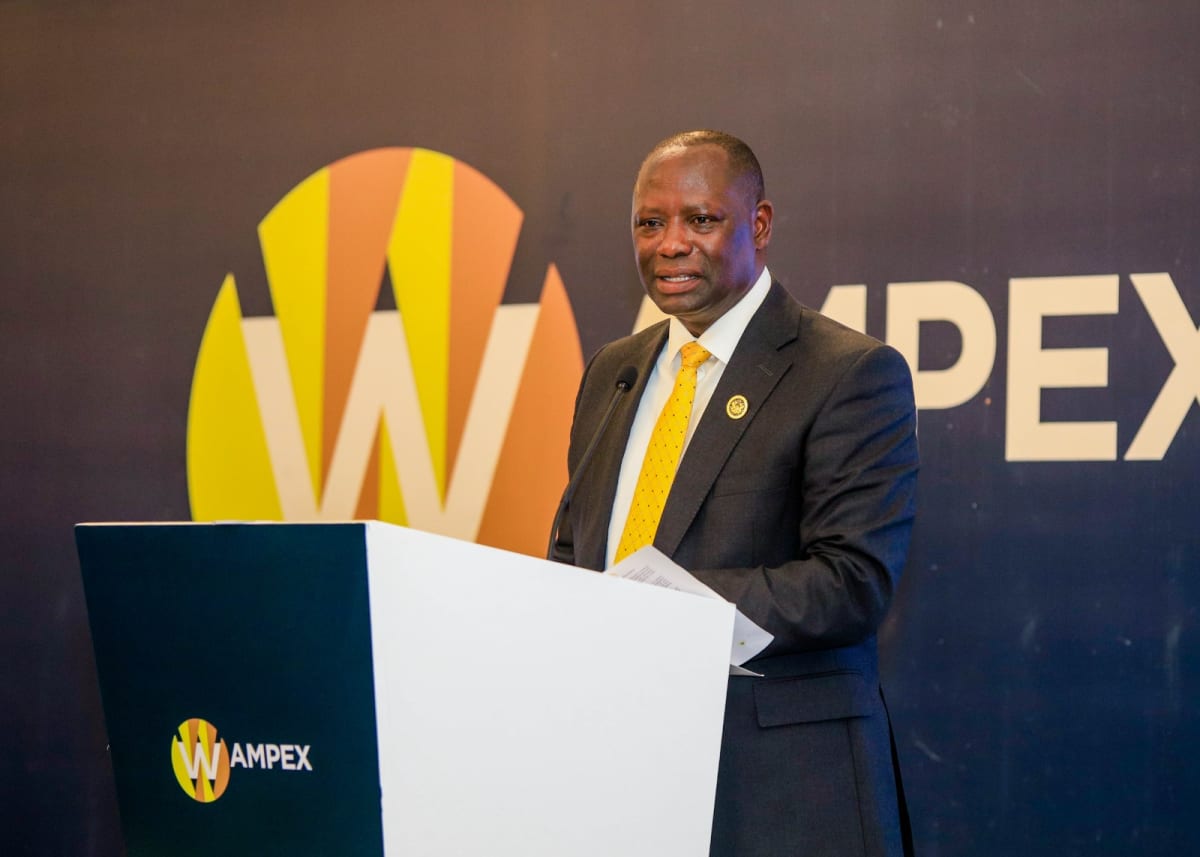
At the West African Mining and Power Expo this week, the government revealed ambitious plans to develop a complete battery manufacturing ecosystem. Instead of simply exporting lithium ore, Ghana wants to process it domestically and ultimately build the batteries that power electric vehicles.
Lands and Natural Resources Minister Emmanuel Armah-Kofi Buah made the vision clear. "Anybody who comes to talk about lithium should also be talking to us about how those batteries will ultimately be produced in Ghana," he told mining industry leaders.
The strategy represents a dramatic shift from the traditional extractive model that has defined African mining for generations. Ghana is betting that keeping the entire production process at home will create more jobs, generate more revenue, and build lasting industrial capacity.
The country isn't starting from scratch. Ghana already has experience developing integrated mineral industries through organizations like the Ghana Integrated Aluminium Development Corporation, which works on everything from bauxite mining to aluminium smelting. A similar body is building out an iron and steel industry based on domestic ore deposits.
Lithium represents the newest frontier. As global demand for electric vehicle batteries surges, Ghana sits on significant deposits of this critical mineral. Rather than watching other nations turn that lithium into valuable products, Ghana wants to be where the batteries themselves are made.
The Ripple Effect
This approach could reshape how resource-rich African nations engage with global supply chains. If Ghana succeeds in building a battery manufacturing industry, it would prove that countries don't have to accept being perpetual raw material exporters.
The benefits would extend far beyond mining towns. Battery manufacturing requires skilled workers, supporting industries, and infrastructure development. Each stage of the value chain creates employment opportunities that simple extraction never could.
Other African nations are watching closely. Success in Ghana could inspire similar value-addition strategies across the continent, fundamentally changing the economic relationship between Africa and the global economy.
The timing aligns perfectly with the world's accelerating transition to electric vehicles. As automakers scramble to secure battery supply chains, Ghana is positioning itself not just as a lithium source but as a manufacturing partner.
Ghana is showing the world that having natural resources is just the starting point, not the destination.
Based on reporting by Google News - Ghana Development
This story was written by BrightWire based on verified news reports.
Spread the positivity!
Share this good news with someone who needs it