Ghana Plans to Turn $7.8B in Remittances Into Jobs
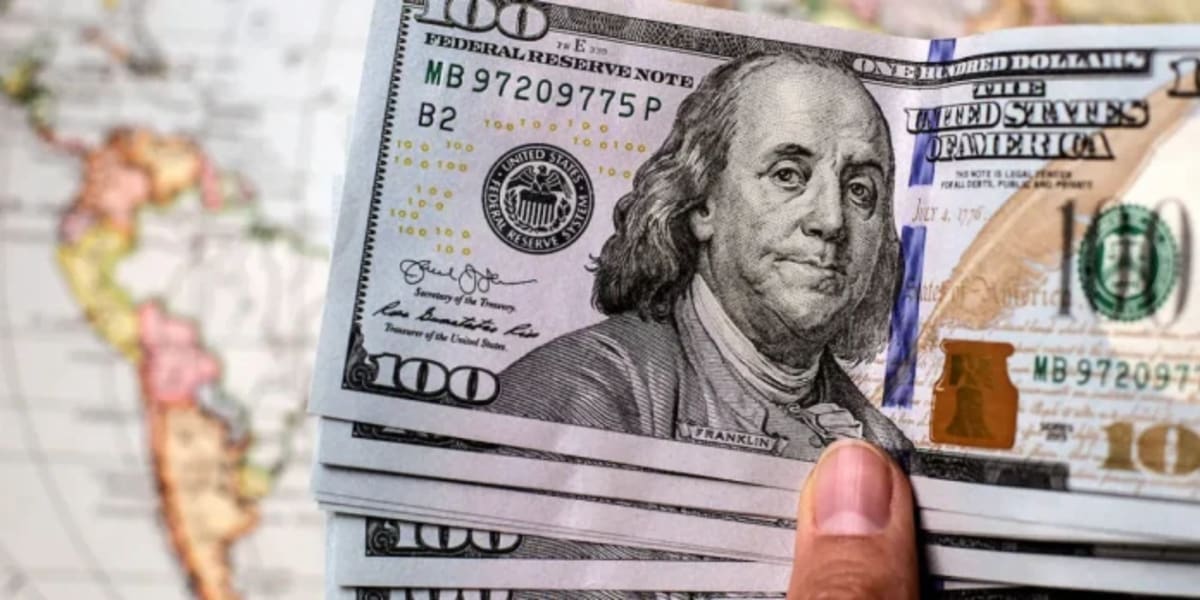
Ghana is creating a bold new plan to transform the $7.8 billion sent home by its diaspora each year into businesses, jobs, and long-term growth instead of just household expenses. With 1.7 million Ghanaians living abroad, the nation is building tools to channel these funds into entrepreneurship and national development.
Ghana is reimagining what happens when money comes home from abroad, and the scale of opportunity is enormous.
The West African nation receives $7.8 billion annually from its 1.7 million citizens living in more than 50 countries. That's nearly seven percent of Ghana's entire economy and more money than the country gets from foreign investment.
But here's the challenge: most of that money currently goes straight to daily expenses like food, school fees, and medical bills. While those needs are vital, Ghana's National Development Planning Commission sees a chance to do even more with these funds.
The commission has partnered with the United Nations Economic Commission for Africa to create a practical toolkit that helps government agencies at every level track and strategically deploy diaspora money. The goal is to shift some of these billions toward job creation, new businesses, and industries that can lift entire communities.
Dr. Audrey Smock Amoah, the commission's Director-General, laid out the vision at a recent workshop in Accra. "This presents a clear opportunity for us to better harness diaspora resources for sustainable development, job creation, and economic transformation," she said.
The training brought together officials from Ghana's labor ministry, statistical service, central bank, and local district assemblies. They explored ways to weave migration patterns into development plans and connect remittance flows to sectors like agriculture, manufacturing, and housing construction.
The Ripple Effect
When diaspora money shifts from consumption alone to investment, entire economies can transform. Ghana is exploring diaspora bonds and investment platforms that would let citizens abroad directly fund businesses back home while earning returns.
Six African countries are testing similar approaches through the UN initiative, including Egypt, Côte d'Ivoire, and Tunisia. The focus is on creating the right conditions so that money sent with love can also build lasting prosperity.
Amadou Diouf, an Economic Affairs Officer at the UN commission's West Africa office, emphasized that success depends on governments making it easy and attractive for diaspora funds to flow into productive ventures. "The developmental impact of remittances depends heavily on how effectively governments create enabling environments," he noted.
The beauty of this approach is that it doesn't ask families to choose between supporting loved ones and building their nation's future. With smart policy design, the same dollars can do both, turning individual generosity into collective progress that creates jobs and opportunities for the next generation.
Based on reporting by Google News - Ghana Development
This story was written by BrightWire based on verified news reports.
Spread the positivity!
Share this good news with someone who needs it