Ghana Pushes Clean Transport After $98M Auto Investment
Ghana's booming automotive sector just attracted nearly $100 million from global manufacturers, and now the country is racing to make its vehicle fleet one of Africa's cleanest. With seven new assembly plants ready to roll, the West African nation has a chance to lead the continent in sustainable transport.
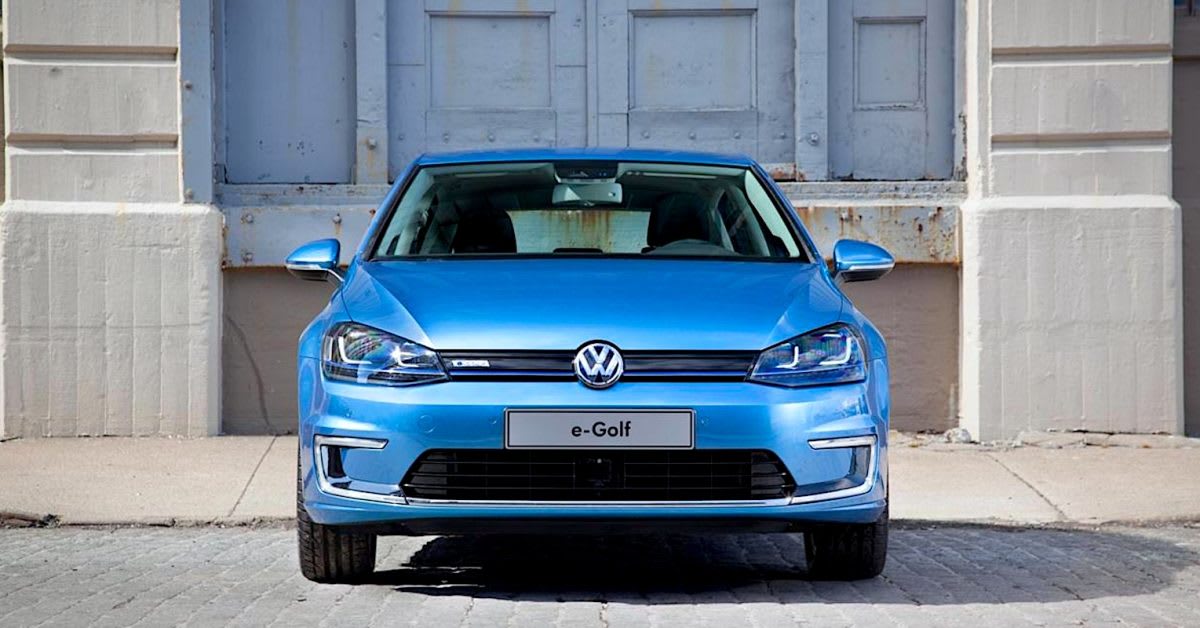
Ghana is turning its growing car industry into a platform for environmental change, backed by partnerships with Toyota, Volkswagen, and other major automakers who've invested $98 million in the country.
The UK-Ghana Jobs and Economic Transformation Programme marked International Day of Clean Energy with a call to action: help Ghana build a cleaner transport future while creating quality jobs. Seven vehicle assembly plants now stand ready with capacity for 140,000 cars annually, giving the nation infrastructure most African countries can only dream of.
The timing matters. Transport accounts for nearly half of Ghana's energy-related emissions, and those numbers jumped 15 percent between 2015 and 2023. The country's 3.2 million vehicles average 14 years old, with 80 percent of the 100,000 annual imports being used cars over a decade old that pump pollution into city air.
Air pollution has become Ghana's second leading cause of death after infectious diseases, costing the economy $3 billion yearly. That's four percent of the nation's entire GDP lost to dirty air.
But Ghana's Vice President Jane Naana Opoku-Agyemang and Trade Minister Elizabeth Ofosu-Adjare are championing a shift. The country's Automotive Development Policy got a midterm review in 2025, and electric vehicle adoption is starting to climb, especially for two and three-wheelers.
The Ripple Effect
Ghana's clean transport push could reshape West Africa's entire automotive landscape. As assembly plants partner with global brands like Nissan, KIA, and Hyundai alongside local firms, the country is positioning itself as the region's manufacturing hub.
The programme proposed three concrete steps: fast-track approval for electric vehicle manufacturers, create asset-based financing so more Ghanaians can afford new cars, and have the government buy locally assembled vehicles first. These moves would boost demand for the underused assembly plants while accelerating the shift to cleaner vehicles.
Development Director Terri Sarch from the British High Commission in Accra sees the potential clearly. "Ghana's automotive sector has the potential to be a powerful driver of clean energy transition, industrial growth and job creation," she said.
Success would mean cleaner air for millions, thousands of manufacturing jobs, and a competitive edge as countries worldwide demand sustainable products. Ghana isn't just building cars; it's building a blueprint for how African nations can industrialize without repeating the pollution mistakes of earlier economic powers.
Based on reporting by AllAfrica - Environment
This story was written by BrightWire based on verified news reports.
Spread the positivity!
Share this good news with someone who needs it