Ghana Pushes Sickle Cell Education in Schools Nationwide
A foundation leader living with sickle cell disease is championing a plan to teach students about the genetic condition before they start families. The comic strip education model has already shown success in pilot programs across Ghana.
When Amos Andoh stands before government officials and educators, he brings both professional expertise and lived experience to the conversation about sickle cell disease in Ghana.
As founder of the Focus on Sickle-Cell Foundation and someone who lives with the condition daily, Andoh knows firsthand that knowledge can change lives. That's why he's calling for sickle cell education to become part of Ghana's junior high and senior high school curriculum.
The numbers tell a striking story. Nearly 18,000 babies are born with sickle cell disease in Ghana every year, representing about 2% of all newborns. Yet many students graduate without understanding basic facts about genotype, inheritance patterns, or how informed choices before marriage can prevent the condition in future children.
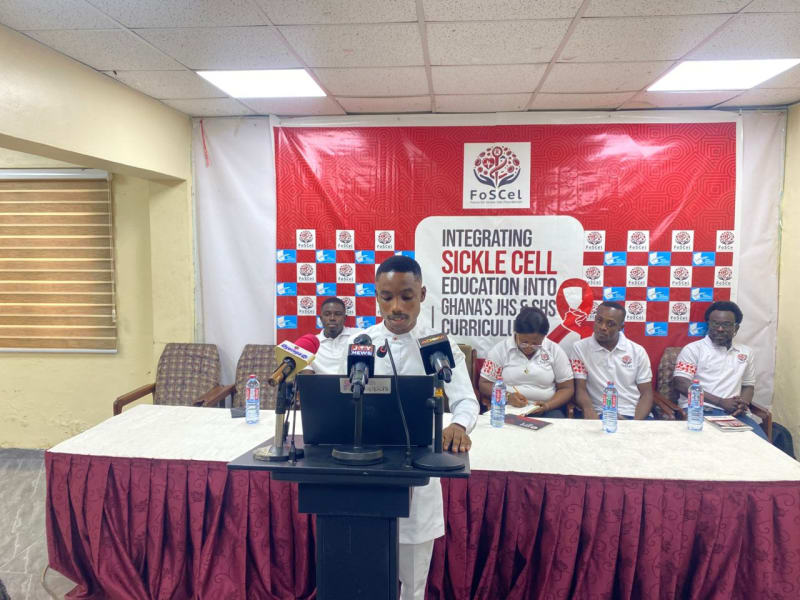
"These are not statistics. These are children. These are families. These are futures," Andoh told journalists at a recent press conference in Accra.
His foundation has developed an innovative approach using comic strips to teach young people about sickle cell disease. The colorful, story-based materials explain complex genetic concepts, early screening benefits, prevention strategies, and ways to reduce stigma around the condition.
Pilots in schools, churches, mosques, and community centers in Winneba and surrounding areas have drawn enthusiastic responses. For many students, the comic strips provided their first structured exposure to sickle cell information in a format that actually made sense to them.
The "Catch Them Young" strategy focuses on reaching students before they make life-changing decisions about relationships and parenthood. Andoh envisions the comic strip model scaling nationwide to support Ghana's National Sickle Cell Strategy, launched just last month.
The Ripple Effect
This education push comes as Ghana makes significant strides in sickle cell care. The government recently launched new national screening and treatment guidelines, and sickle cell treatment is now covered under the National Health Insurance Scheme.
That insurance coverage matters enormously for families facing monthly medication costs exceeding 500 cedis and hospital visits during pain crises that can top 2,000 cedis. But Andoh emphasizes that while treatment saves lives, education prevents suffering before it begins.
The foundation's grassroots work extends beyond schools. Their World Sickle Cell Awareness Day event at the University of Education, Winneba, brought together health centers and community members to promote early screening and break down myths about the disease.
Andoh reminds everyone that people living with sickle cell disease have the same dreams as anyone else. "We have sickle cell warriors who dream of becoming doctors, journalists, Members of Parliament, even presidents," he said.
He's asking Ghana's Ministries of Health and Education to add sickle cell topics alongside existing health education about HIV/AIDS, malaria, and reproductive health. "Let our classrooms teach what our hospitals treat," Andoh urged.
The foundation believes that today's students, armed with accurate information, can become tomorrow's generation that makes informed genetic choices and builds more inclusive communities for people living with sickle cell disease.
Based on reporting by Myjoyonline Ghana
This story was written by BrightWire based on verified news reports.
Spread the positivity!
Share this good news with someone who needs it