Ghana Secures $240M to Boost Local Chicken Production
Ghana just mobilized over $240 million to transform its struggling poultry industry and cut dependence on imports. The country currently imports 95% of its chicken, but new financing could change that.
Ghana is taking a major step toward feeding itself with a billion-cedi investment (over $240 million) aimed at reviving its local poultry industry.
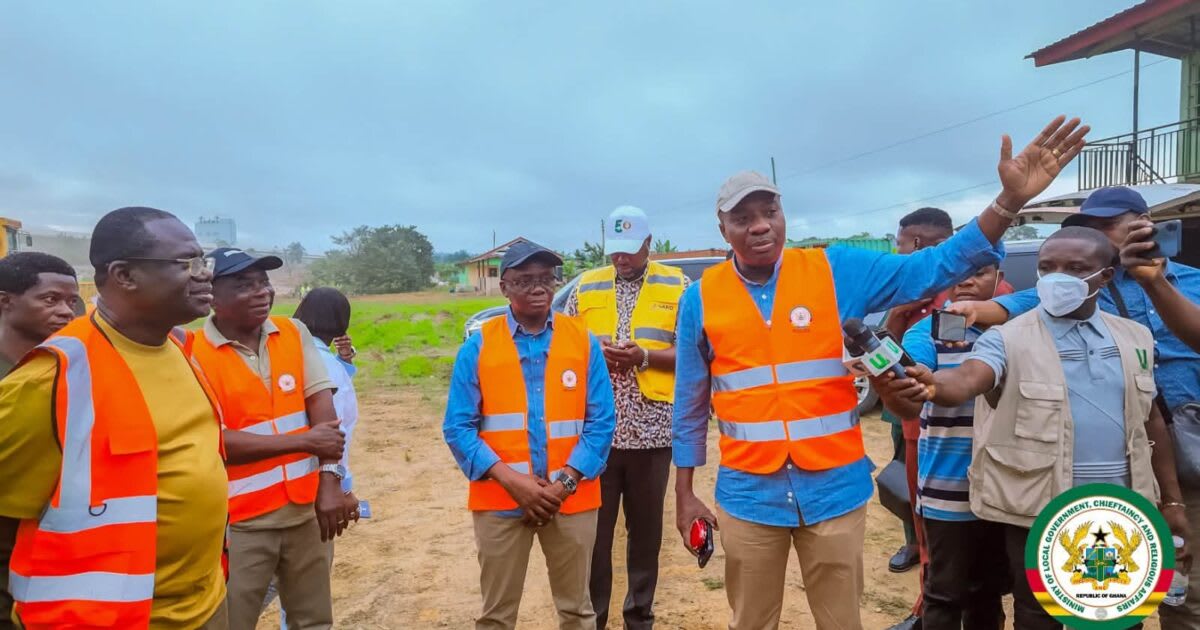
The 24-Hour Economy Secretariat and Accelerated Export Development Authority secured the financing commitments from major banks including ABSA, Fidelity, and Ecobank. The first phase will deploy about $72 million, with more to follow as projects prove successful.
Right now, Ghana has a chicken problem. The country consumed 324,047 metric tonnes of poultry in 2022 but produced only 15,000 metric tonnes locally. That means 95% of the chicken Ghanaians eat comes from Brazil, the United States, and Europe, costing the nation nearly $400 million every year.
Arnold Parker, who leads the funding team, says the money will support the entire production chain. That includes feed mills, hatcheries for day-old chicks, processing facilities, cold storage, and veterinary services.
The financing structure itself is designed differently than traditional farm loans. Banks are working with poultry farmers to create repayment schedules that match how chickens actually grow and sell, rather than forcing farmers into rigid monthly payments that don't fit their business cycle.
This isn't just about raising more chickens. The program aims to position Ghana as an exporter of poultry products to neighboring countries, turning a major expense into a potential revenue source.
The initiative will partner with Ghana's Council for Scientific and Industrial Research to bring better breeding techniques and productivity improvements to local farmers. The goal is building an industry that can compete with imports on both quality and price.
The Ripple Effect
When a country produces its own food instead of importing it, the benefits multiply quickly. The $400 million Ghana currently sends overseas each year could instead pay local farmers, feed mill operators, truck drivers, and processing plant workers. Every cedi spent on local chicken creates jobs for veterinarians, equipment suppliers, and cold storage facilities.
Food security becomes stronger when supply chains are shorter. Ghanaian families won't be as vulnerable to international price swings or shipping disruptions when their chicken comes from farms down the road instead of across an ocean.
Parker emphasizes that success requires more than just money. The country needs proper management systems and technical training to ensure farms can handle growth sustainably and meet quality standards for both local consumption and export markets.
A quarter-billion dollars is now ready to prove that Ghana can feed itself.
Based on reporting by Myjoyonline Ghana
This story was written by BrightWire based on verified news reports.
Spread the positivity!
Share this good news with someone who needs it