Ghana Rolls Out Typhoid Vaccine for Food Handlers
Ghana is launching a nationwide typhoid vaccine program targeting food handlers, shifting from reactive treatment to proactive prevention. The subsidized vaccine will be required for health certificates starting in coming weeks.
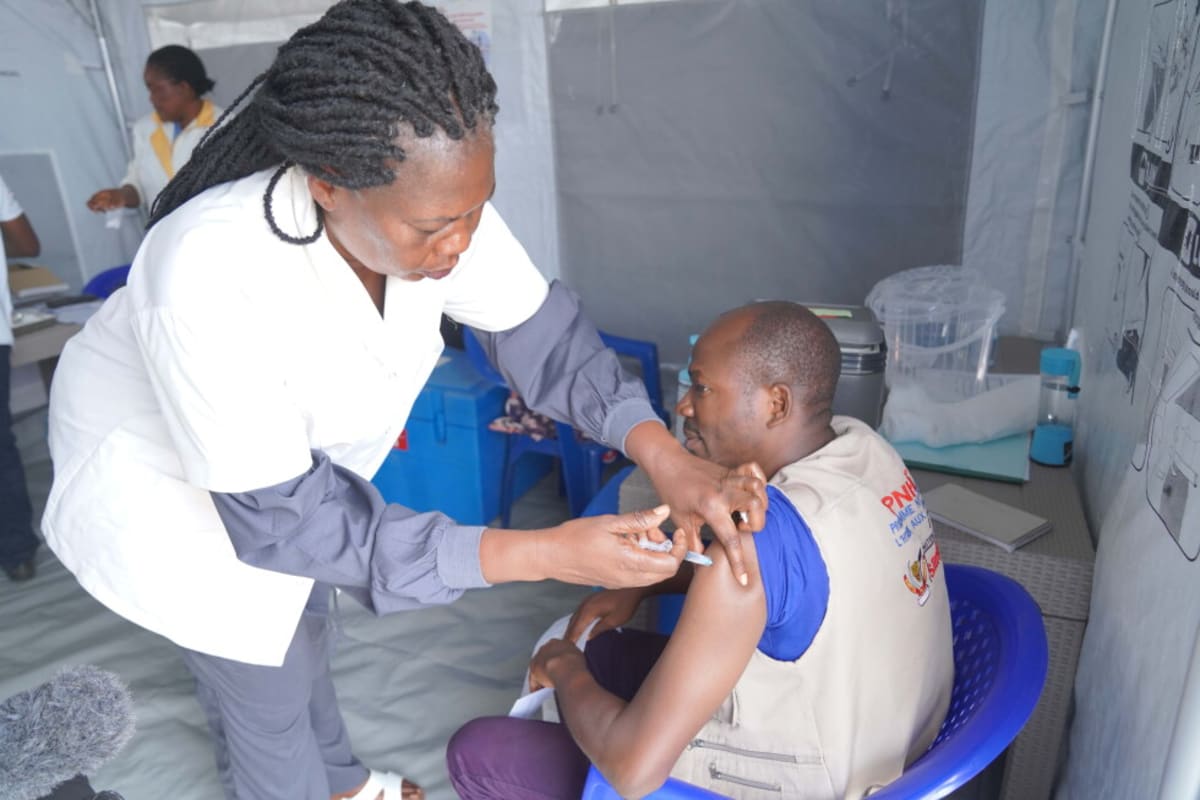
Ghana is taking a bold step forward in public health by requiring all food handlers to get vaccinated against typhoid fever before they can work.
The Ghana Health Service announced the nationwide program will begin in the coming weeks, marking a significant shift in how the country fights this preventable disease. Food handlers will need proof of vaccination to receive their health certificates and operate legally.
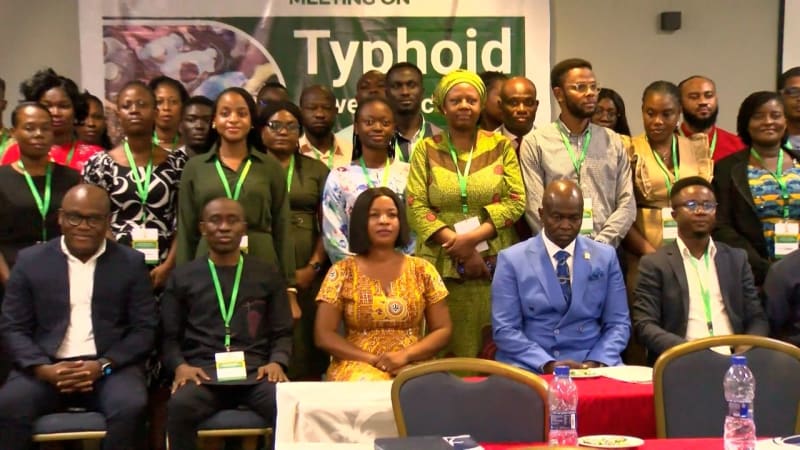
Dr. Samuel Kaba Akoriyea, Director-General of the Ghana Health Service, assured citizens the vaccines meet the highest international standards. "The vaccines that will be administered under this programme are WHO pre-qualified and approved by the Ghana Food and Drugs Authority," he said at a stakeholder meeting in late January.
The program replaces the old system of screening food handlers after potential exposure with preventive vaccination. Dr. Franklin Asiedu Bekoe, Director of Public Affairs, explained this approach is both more effective and more economical in the long run.
While the vaccine won't be free, it will be subsidized to keep costs down for workers. The protection lasts three years, eliminating the need for constant screening and treatment cycles that plagued the previous system.
Typhoid fever spreads through contaminated food and water, making food handlers a critical group in stopping transmission. The disease poses serious threats to public health, particularly in communities struggling with poor sanitation infrastructure.
The Ripple Effect
This vaccine requirement will protect not just the food handlers themselves, but countless customers who rely on street vendors, restaurants, and food services across Ghana. When food handlers are vaccinated, entire communities benefit from reduced disease transmission.
The program shows how targeted public health interventions can create waves of protection that extend far beyond the initial recipients. Families won't have to worry as much about typhoid when buying prepared food, and workers will avoid the lost productivity and medical costs that come with infection.
Ghana's approach could serve as a model for other countries facing similar public health challenges, proving that prevention through vaccination can be both practical and affordable.
Ghana is turning the tide on typhoid, one food handler at a time.
Based on reporting by Myjoyonline Ghana
This story was written by BrightWire based on verified news reports.
Spread the positivity!
Share this good news with someone who needs it