Ghana Tackles Tomato Shortage With Year-Round Farming Plan
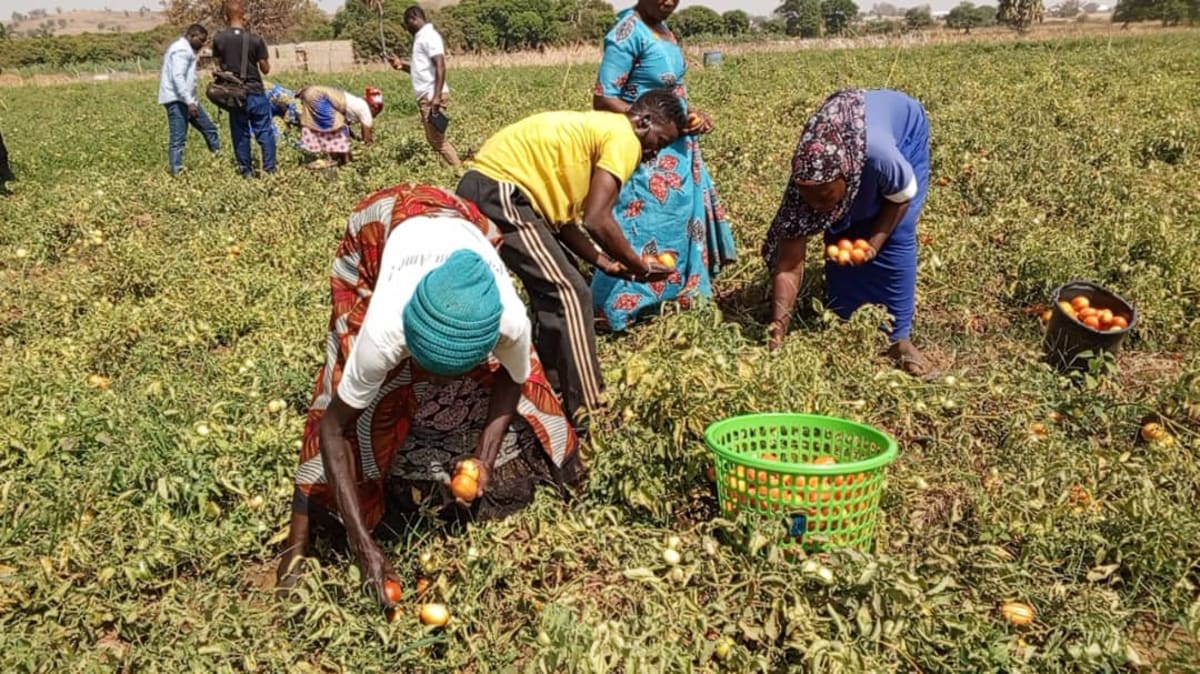
Ghana is launching irrigation programs to grow tomatoes during dry months, aiming to end the shortages that leave shelves empty half the year. The country consumes over one million metric tonnes of tomatoes annually but currently only produces during six months.
Ghana is finally solving a frustrating problem that forces the nation to rely on imported tomatoes for half the year.
Dr. Peter Boamah Otokunor, Director of Presidential Initiatives in Agriculture, announced that the government has tasked the Ghana Irrigation Development Authority to roll out urgent dry-season tomato production. The move targets the gap between December and May when local farms go silent.
Right now, Ghanaian farmers only grow tomatoes between June and November during the rainy season. When the dry months arrive, the country faces recurring shortages despite consuming over one million metric tonnes annually.
The solution focuses on redirecting existing irrigation sites at Tono, Vea, and Akomadan into tomato cultivation. Dr. Otokunor explained that with improved technology and better yields, Ghana would only need 60,000 to 70,000 hectares to meet the entire national demand.
"We are looking at short-term solutions to ramp up production immediately, especially in the dry season," he told The KeyPoints on March 21. Thousands of hectares at the identified sites stand ready for conversion.
The Ripple Effect
This shift could transform Ghana's food security and economy in multiple ways. Farmers will gain income opportunities during months they previously sat idle, stabilizing rural economies year-round.
Consumers will see more predictable prices and fresher produce on shelves. No more seasonal spikes or reliance on imports when local fields lie fallow.
The tomato processing industry could also expand with reliable supply chains. Dr. Otokunor noted that neighboring Burkina Faso has already built factories to process their tomatoes, creating a model Ghana can follow.
Beyond immediate relief, the initiative signals a broader commitment to agricultural infrastructure. Dr. Otokunor stressed that emergency interventions alone won't suffice without long-term investments in irrigation and modern farming techniques.
"This is not something we should come back to next year. We must fix it permanently," he stated, acknowledging that recurring shortages require permanent solutions rather than temporary patches.
The government's approach combines quick wins with sustainable planning, addressing both the urgent December-to-May gap and the structural issues that created it.
Ghana's tomato farms are about to work through all four seasons, turning a half-year problem into a year-round success story.
Based on reporting by Google News - Ghana Development
This story was written by BrightWire based on verified news reports.
Spread the positivity!
Share this good news with someone who needs it