Ghana Targets 250,000 Jobs Through Tree Crop Value Addition
President John Mahama launched Ghana's first Tree Crop Investment Summit with a bold promise: no more exporting raw materials while importing expensive finished goods. The plan could create 250,000 jobs by processing cashew, shea, and rubber locally.
Ghana is done shipping raw materials abroad only to buy them back as pricey finished products.
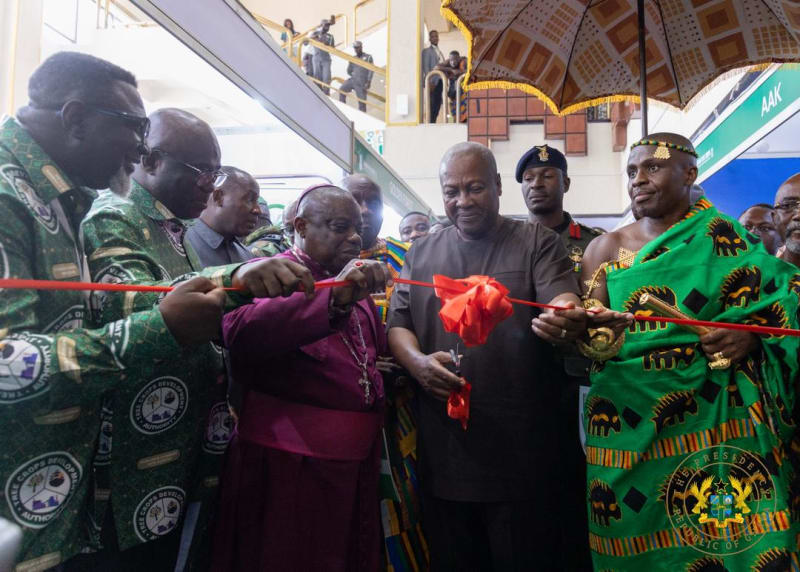
President John Mahama opened the country's first Tree Crop Investment Summit on Tuesday with a clear message. Ghana will start processing its own cashew, shea nuts, and rubber instead of letting other countries profit from the value addition.
"We cannot continue to export raw materials and import finished goods at a premium," Mahama told attendees. "Value addition must happen here at home."
The shift isn't just about pride. It's about creating real opportunities for Ghanaians who have watched their raw resources leave while jobs go elsewhere.
The government plans to create around 250,000 direct jobs through expanded tree crop processing. That's a quarter million paychecks that could transform rural communities where these crops grow.
Women stand to benefit significantly. They support many of the households connected to cashew, shea, and rubber farming, yet often see the smallest share of profits when their crops get exported raw.
The Ripple Effect
This tree crop push forms a central piece of Mahama's economic reset plan. He outlined five priorities: boosting production, creating jobs, increasing exports, adding value locally, and ensuring growth reaches everyone.
The strategy also connects to the African Continental Free Trade Area, which removes trade barriers between African nations. By processing crops at home, Ghana can sell finished products across the continent instead of just shipping raw materials overseas.
Mahama addressed a crucial challenge facing African agriculture. Young people often see farming as unprofitable and outdated, choosing city jobs over rural livelihoods their families maintained for generations.
"Agriculture must be modern, it must be profitable, and it must be attractive to young people," the president said. Making processing plants and good jobs part of the agricultural equation could change those calculations.
The president urged both Ghanaian and international investors to seize opportunities in the sector. He described tree crops as not just promising but transformative for Ghana's long-term growth.
His emphasis on results over bureaucracy struck a practical note. "Our farmers must see results, not paperwork," he said, acknowledging years of policies that looked good on paper but delivered little to the people actually working the land.
Ghana joins other African nations working to capture more value from their natural resources, turning the raw materials that built other economies into engines for their own prosperity.
Based on reporting by Myjoyonline Ghana
This story was written by BrightWire based on verified news reports.
Spread the positivity!
Share this good news with someone who needs it