Ghana Training Stops Young Man's Dubai Trip for Farming
Abdul Rahman Muniru had his Dubai visa ready when he heard about a farm training program that changed everything. Now 32 young Ghanaians are launching agriculture businesses instead of leaving home.
Abdul Rahman Muniru was packed and ready to leave Ghana for Dubai, chasing what he thought would be his only shot at a better life. Then he learned about a training program that promised something radical: a future in farming right at home.
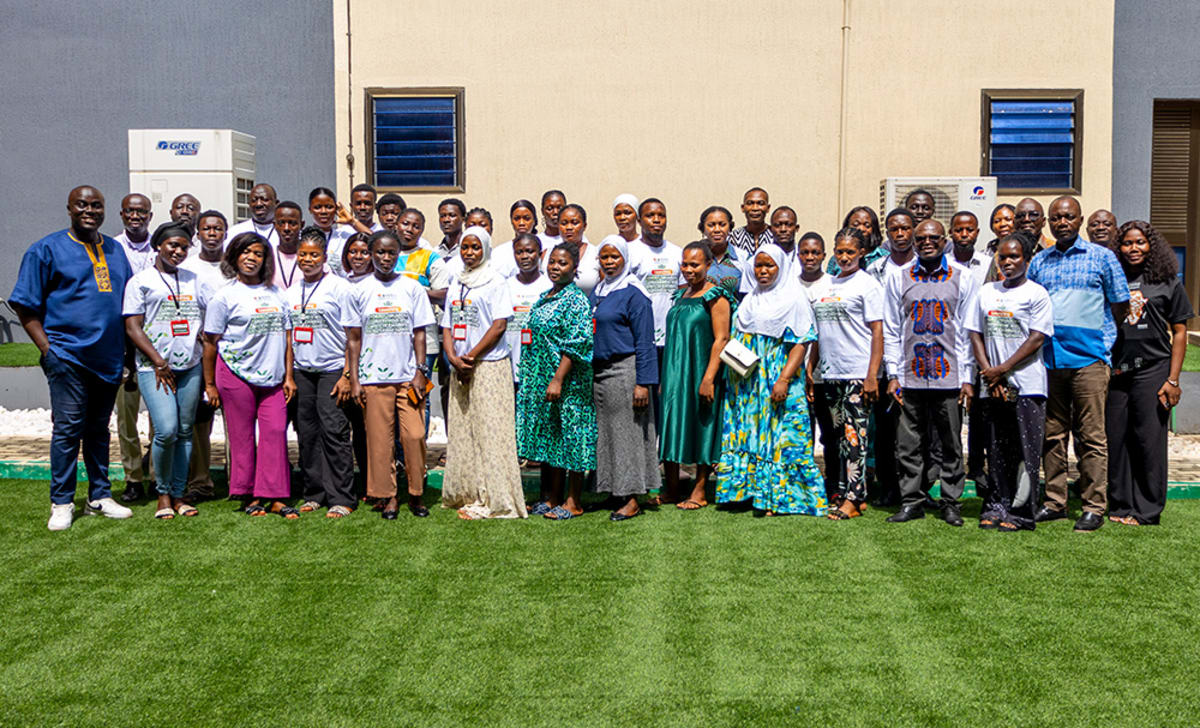
The Kwame Nkrumah University of Science and Technology in Kumasi just wrapped up a year-long agriculture training program that's keeping young people in Ghana. Through the Nkabom Collaborative, funded by the Mastercard Foundation, 32 participants learned everything from greenhouse vegetable production to poultry farming.
"I had prepared all my documents to leave for Dubai, but when I heard about the training and the support it offered for young entrepreneurs, I decided to stay and give it a chance," Abdul Rahman said. The program completely shifted his thinking about opportunities back home.
The training wasn't just classroom lectures. Participants spent three months learning the fundamentals, six months getting hands-on experience at a dedicated facility, and three months working with established agribusinesses as mentors.
Mary Owusu, another graduate, called the experience a game changer. She now sees greenhouse farming as a real path to sustainable income, especially with advantages like year-round growing seasons and better crop quality.
The Ripple Effect
What makes this program different is how it ends. Instead of a typical pitch competition where only winners get funding, every graduate with a solid business plan receives support to launch their venture.
Professor Wilberforce Achiaw Owusu-Ansah, who leads the entrepreneurship pillar, explained the approach focuses on refining ideas rather than creating competition. "We are engaging them to scrutinize their businesses and determine the kind of support they need to succeed," he said.
The program emphasizes starting businesses within participants' own communities, meaning the economic benefits stay local. When young people build successful farms in their hometowns, they create jobs and inspire others to see agriculture as viable.
For Abdul Rahman, the choice to stay instead of leaving represents a bigger shift happening across Ghana. Young people are discovering that with the right training and support, they don't need to search for opportunities abroad when they can create them at home.
Based on reporting by Myjoyonline Ghana
This story was written by BrightWire based on verified news reports.
Spread the positivity!
Share this good news with someone who needs it

-1200x630.jpg)