Ghana Uses Quantum Computing for Eco-Friendly Buildings
Scientists in Ghana are using quantum computing to turn clay and agricultural waste into approved construction materials. This breakthrough could replace expensive cement with local, low-carbon alternatives across Africa.
Termites have been building with Ghana's clay for centuries, and now scientists want to learn their secret.
Researchers at KNUST's TCC-CIMET research centre are using quantum computing to validate laterite clay and agricultural waste as official construction materials. If successful, Ghana could approve these abundant local resources for building homes and infrastructure for the first time.
The materials are already there. Ghana produces 500,000 tonnes of palm nutshell and coconut husk waste every year. Laterite clay deposits sit unused across the country's savanna regions. The problem isn't scarcity but certainty.
Building codes require predictable data on strength, durability, and moisture response. Testing each material combination through traditional laboratory methods takes months. Without that data, architects and engineers can't legally use these natural materials for major projects.
Professor Francis Davis and his team have already proven these materials work. Their RENABUMA project built full pavilions using clay, wood, and natural fibers. The BUCABUMA project expanded this work across five African countries with European Commission funding. But moving from demonstration pavilions to code-approved buildings requires faster data generation.
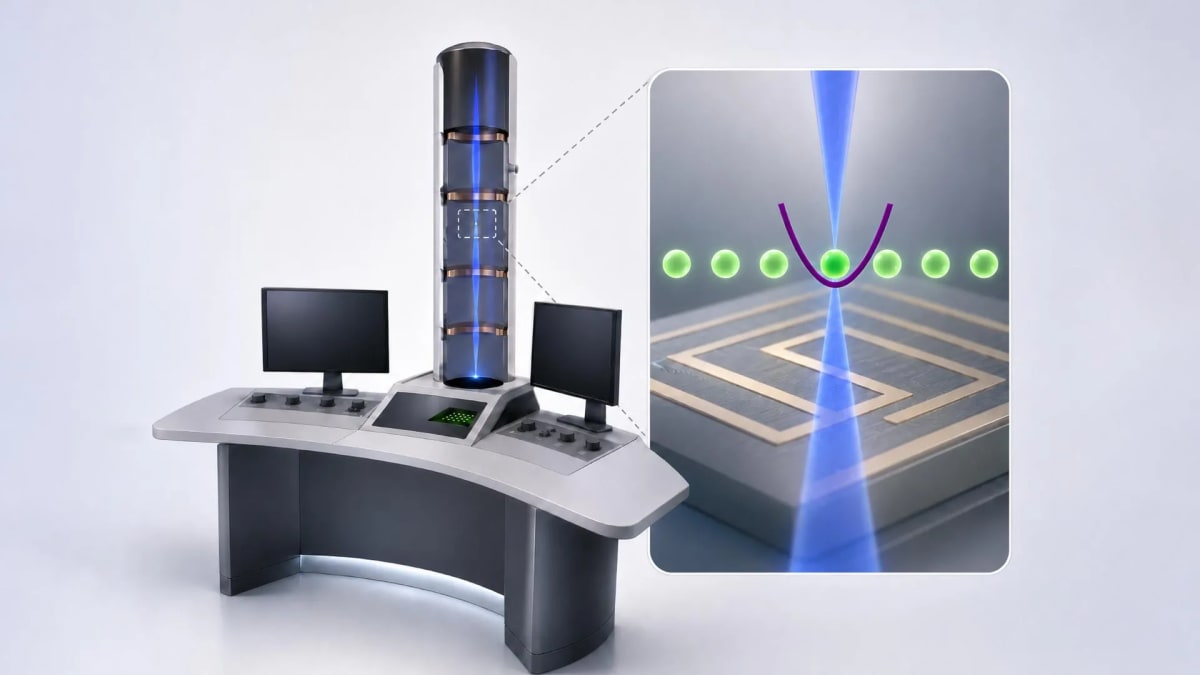
That's where quantum computing changes everything. The centre isn't waiting for future technology. They're using hybrid quantum-classical algorithms available right now through cloud computing to model how laterite clay composites behave at molecular and structural levels.
Professor Alexander Boakye Marful, the project's principal investigator, explains they're solving specific bottlenecks: optimizing clay-fiber ratios, simulating moisture damage under repeated stress, and predicting long-term durability in tropical humidity. These quantum-enhanced simulations can generate the exact numbers Ghana's Building Code requires much faster than lab testing alone.
The Ripple Effect
A code-compliant laterite clay specification would give builders a locally sourced, low-carbon alternative to expensive imported cement. At current cement prices and with growing carbon concerns, the economic and environmental benefits are substantial.
The methodology is designed to travel. Once validated for Ghanaian materials, the same quantum-enhanced approach can adapt to local soils in Kenya, Ethiopia, and South Africa. These countries face identical regulatory barriers despite having strong earth-building traditions.
TCC-CIMET is now inviting materials scientists, quantum computing specialists, and engineers to join the effort. The consortium includes partners from Karlsruhe Institute of Technology, TU Braunschweig in Germany, and the University of the Witwatersrand in South Africa.
This isn't just about approving new materials; it's about making sustainable, affordable housing accessible across an entire continent by combining cutting-edge technology with ancient building wisdom.
Based on reporting by Myjoyonline Ghana
This story was written by BrightWire based on verified news reports.
Spread the positivity!
Share this good news with someone who needs it