Ghana's Big Push Opens Doors for Local Builders
Ghana's infrastructure boom is creating real opportunities for local construction companies to grow, compete, and build the nation's future. The government is now pushing for structured partnerships that ensure Ghanaian firms don't just get small jobs, but gain skills and capacity to handle major projects.
Ghana's massive infrastructure expansion isn't just about building roads and buildings anymore. It's becoming a launchpad for local construction companies to finally compete on the big stage.
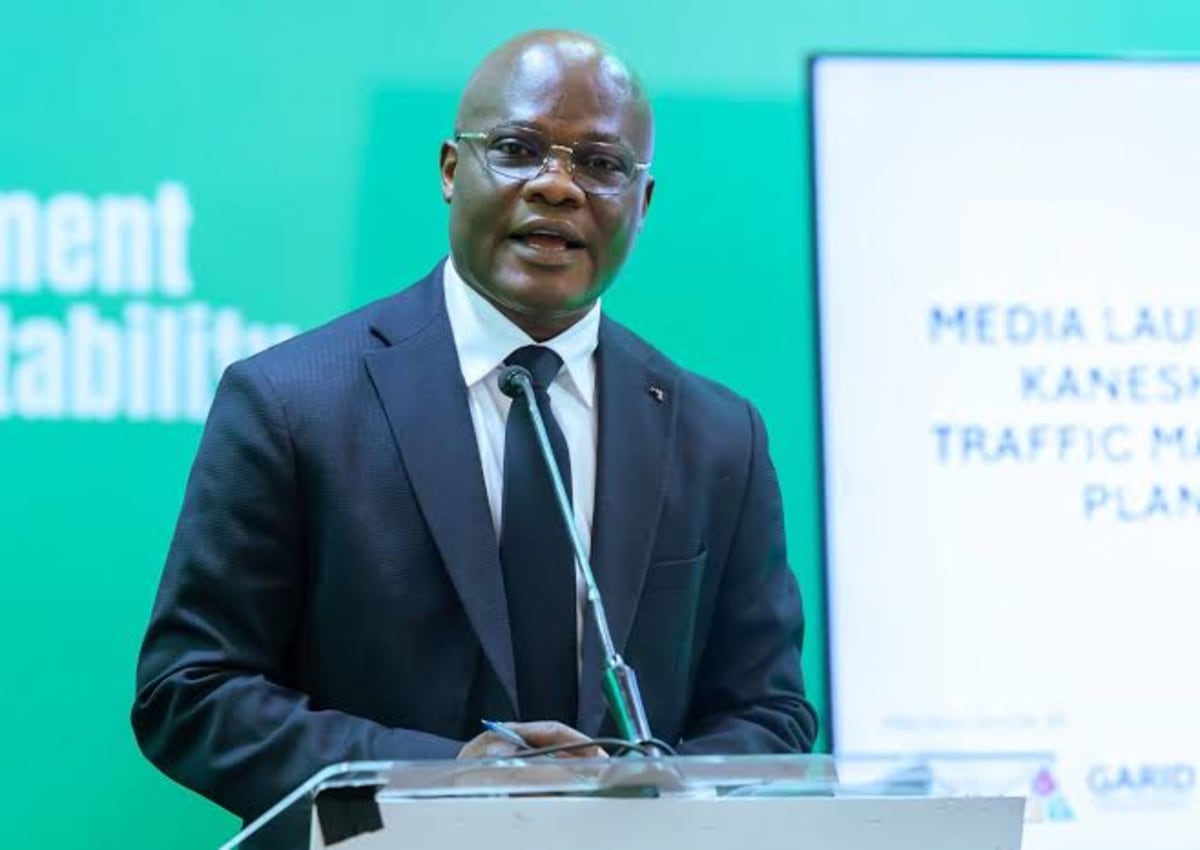
Works and Housing Minister Ahmed Ibrahim announced that major initiatives like the Big Push Infrastructure Programme and the Accra-Kumasi Highway will deliberately create space for indigenous contractors. The goal is simple but powerful: build infrastructure while building Ghanaian businesses at the same time.
Right now, more than 5,000 contractors are registered with the Ministry of Roads and Highways. Only about 100 are actually working on Big Push projects, leaving thousands of capable firms on the sidelines.
That's about to change. The government is redesigning how contracts work to ensure that major projects include structured subcontracting arrangements for smaller Ghanaian firms.
But this isn't just about handing out small portions of work to local companies. The new approach focuses on genuine capacity building through skills transfer, technology acquisition, and enterprise development.
Minister Ibrahim emphasized that indigenous contractors need to form partnerships and consortiums to strengthen their ability to win major contracts. He also called for improved access to working capital, affordable equipment financing, and timely payments to help local firms grow.
The government is asking international contractors and investors operating in Ghana to step up too. Joint ventures, technology transfer, and integrating Ghanaian businesses into supply chains will all be part of the new framework.
The Ripple Effect
When local construction companies grow stronger, the benefits multiply across Ghana's economy. More local firms competing means more jobs for Ghanaian workers, more money staying in communities, and skills that build generational wealth.
Emmanuel Cherry, CEO of the Ghana National Chamber of Construction Industry, pointed out that strategic contract packaging can ensure every major project employs additional local subcontractors. This approach transforms infrastructure spending into an investment in Ghanaian entrepreneurship.
The Chamber is now working with government to create formal subcontracting structures that broaden participation. The message is clear: Ghana's infrastructure boom should build more than roads. It should build economic opportunity that lasts long after the concrete dries.
Based on reporting by Google News - Ghana Development
This story was written by BrightWire based on verified news reports.
Spread the positivity!
Share this good news with someone who needs it