Ghana's First Dagbani Film Premieres at Toronto Festival
A groundbreaking Ghanaian film told entirely in the Dagbani language just made history at one of the world's biggest film festivals. Zjili brings the powerful story of female head porters to international audiences while celebrating indigenous African storytelling.
Ghana just reached a major milestone in representing African languages and women's stories on the world stage.
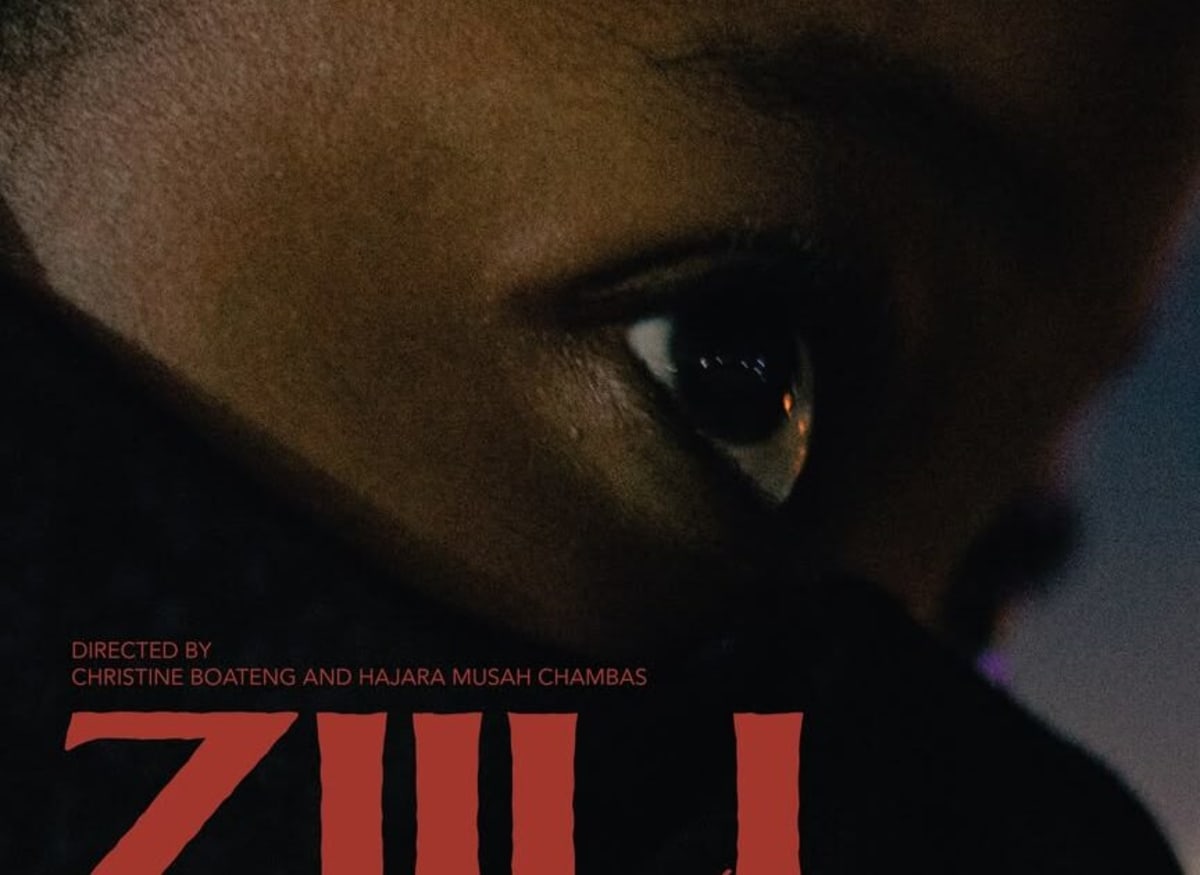
Zjili: A Story of Sisterhood & the Burdens of Excess premiered at the Toronto International Film Festival on September 14, becoming the first feature-length Dagbani film ever selected for a major international festival. Directors Christine Boateng and Hajara Musah Chambas created something rare: a film that centers Ghanaian women speaking their own language while exploring universal themes of courage and survival.
The film follows Zoya, an ambitious teenager who dreams of becoming president. After her father dies, she escapes a forced marriage and travels to Accra with nothing but her exam results and determination. There she enters the world of kayayei, the female head porters who carry enormous loads through Ghana's capital city, and finds an unexpected sisterhood with two other women facing their own struggles.
TIFF selected Zjili for two competitive sections: Discovery, which showcases debut features, and Next Wave, chosen by young programmers. That double recognition signals how powerfully the story resonates across cultures and generations.
The film draws from real research conducted by The Or Foundation, a nonprofit working with kayayei in Accra's Kantamanto Market. A 2021 study found these women carry clothing bales weighing up to 55 kilograms, causing irreversible spinal damage after just eight weeks. The title Zjili means "heavy" or "load" in Dagbani, capturing both the physical burdens and broader challenges these women shoulder.
The production brought together talent from three continents. Cinematographer Erin G. Wesley came from Los Angeles, creative producer Joshua Tsotso from Lagos, and Panavision South Africa provided equipment support. Ghanaian musician Wanlov the Kubolor composed the score, grounding the international collaboration in local artistic vision.
The Ripple Effect
This premiere creates pathways for more indigenous language films from Africa to reach global audiences. When a Dagbani-language story can captivate viewers at one of cinema's most prestigious festivals, it challenges Hollywood's narrow view of what stories deserve worldwide attention.
The film's success also shines an international spotlight on kayayei, women whose labor sustains Ghana's economy but whose struggles often go unnoticed. By centering their experiences with dignity and complexity, Zjili invites audiences everywhere to see the extraordinary strength in women doing what many consider ordinary work.
For young Ghanaian filmmakers, especially women, seeing their language and stories celebrated at TIFF proves that staying rooted in local truth can open doors worldwide. The film screens two more times at the festival, giving even more viewers a chance to experience this groundbreaking work.
Sometimes the most powerful way to tell a universal story is to tell it in a language that 3 million people call home.
Based on reporting by Myjoyonline Ghana
This story was written by BrightWire based on verified news reports.
Spread the positivity!
Share this good news with someone who needs it