Ghana's Mobile Money Soars from $155B/Year to $500B/Month
In just eight years, Ghana transformed from a fragmented payment system to processing in one month what used to take an entire year. The secret? A simple innovation that let anyone send money to anyone, regardless of their bank or mobile network.
Ghana just hit a milestone that seemed impossible less than a decade ago: mobile money transactions worth 493 billion cedis in a single month.
Back in 2017, the entire year's mobile money transactions totaled just 155 billion cedis. People couldn't send money between different mobile networks or connect their mobile wallets to bank accounts without complicated workarounds.
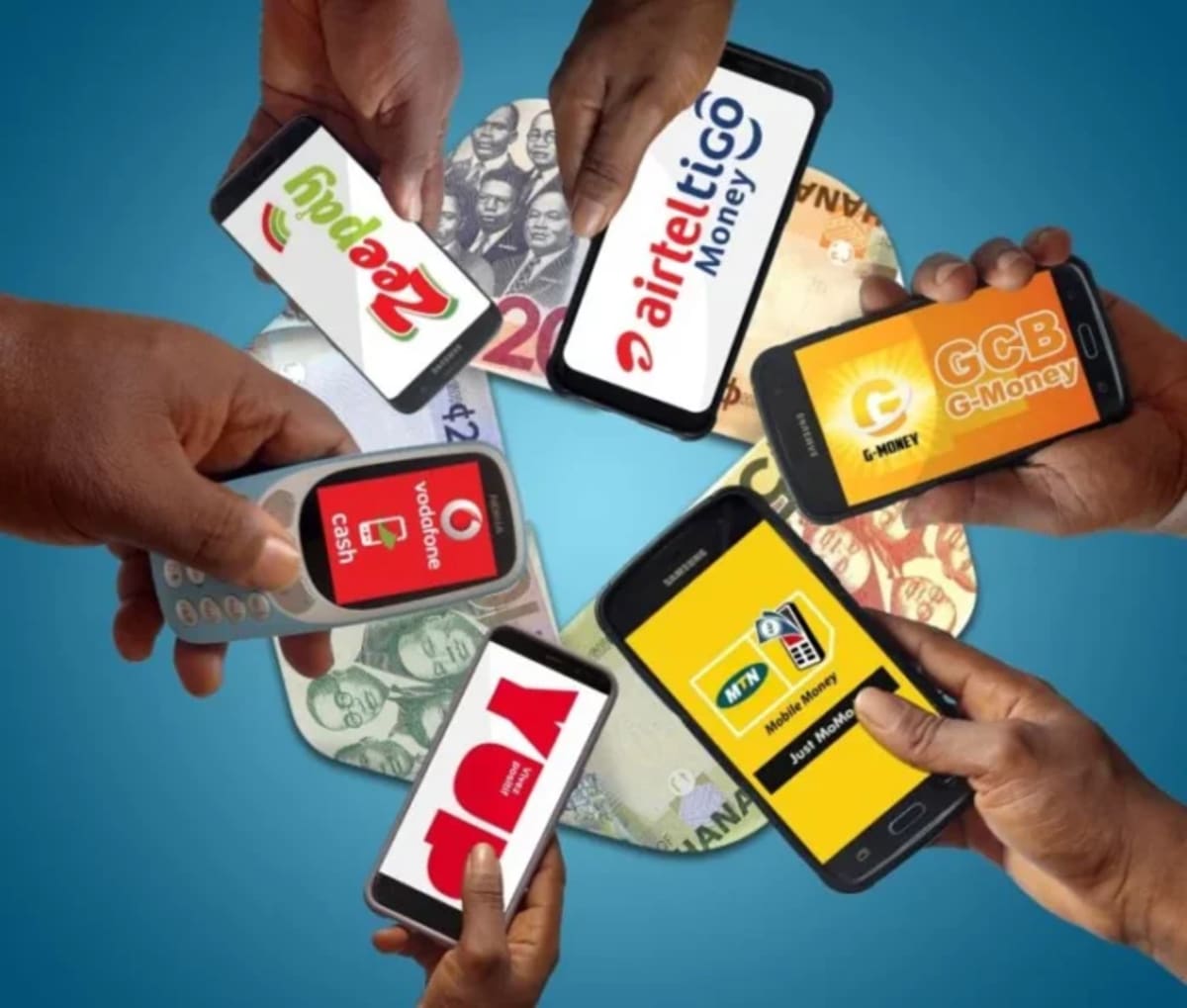
Everything changed in May 2018 when Ghana became the first African country to launch mobile money interoperability. The system allowed seamless payments between all mobile networks, then later connected mobile money to bank accounts.
The results came fast. Within five days of launch, 23,000 transactions worth 1.8 million cedis flowed through the new system. By year's end, total mobile money transactions hit 223 billion cedis, a 43% jump from the previous year.
The growth kept accelerating. Transactions reached 344 billion cedis in 2019, then 569 billion in 2020. By 2025, the annual total soared to 4.5 trillion cedis.
Today, Ghana has 83 million registered mobile money accounts, up from just 23.9 million in 2017. The country now leads Africa in financial inclusion at 94%, meaning nearly everyone can access digital banking services.
The Ripple Effect
Ghana's transformation extends far beyond impressive numbers. Small business owners in rural villages can now receive payments instantly from customers in cities. Families send money home without expensive fees or dangerous cash transfers.
The interoperability breakthrough positioned Ghana as a regional leader in digital payments. Other African nations are watching closely, with many seeking to replicate the model that turned mobile phones into powerful financial tools for millions.
The system proved especially valuable during economic challenges, giving people without traditional bank accounts access to digital commerce and financial services. Farmers, street vendors, and informal workers joined the formal economy overnight.
April 2026's single-month total of 493.2 billion cedis represents more than triple what the entire year generated before interoperability launched. That's not just growth; it's a complete reimagining of how money moves in a modern African economy.
Ghana showed the world that removing barriers between payment systems doesn't just improve convenience. It unlocks economic potential for entire populations and proves that smart digital infrastructure can level the playing field for everyone.
Based on reporting by Myjoyonline Ghana
This story was written by BrightWire based on verified news reports.
Spread the positivity!
Share this good news with someone who needs it